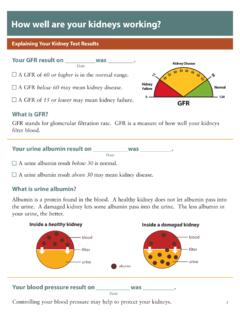
Explaining Your Kidney Test Results
CKD (chronic kidney disease) means the kidneys are damaged and may no longer filter blood well. This damage happens over many years. As more damage occurs, the kidneys are unable to keep the body healthy— then dialysis or a kidney transplant may be needed to maintain health.
Download Explaining Your Kidney Test Results

Information
Domain:
Source:
Link to this page:
Documents from same domain

Irritable Bowel Syndrome - National Institute of Diabetes ...
www.niddk.nih.gov• Irritable bowel syndrome (IBS) is a disorder that affects your gastrointestinal (GI), or digestive, tract. • Women are 2 times more likely to develop IBS than
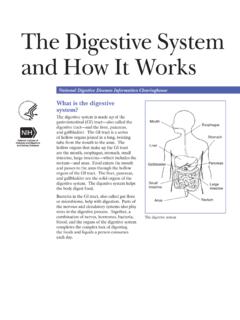
The Digestive System - National Institute of Diabetes and ...
www.niddk.nih.govdigestive system. The digestive system helps the body digest food. Bacteria in the GI tract, also called gut lora or microbiome, help with digestion. Parts of the nervous and circulatory systems also play roles in the digestive process. Together, a combination of nerves, hormones, bacteria, blood, and the organs of the digestive system
Diabetes Insipidus
www.niddk.nih.govIn some patients, a magnetic resonance imaging (MRI) of the brain may be neces ... Subject: Defines diabetes insipidus and reviews the mechanics of normal fluid regulation. Discusses the different forms of the condition and the tests used to diagnose it. Lists organizations that can provide additional information.

Your Guide to Diabetes
www.niddk.nih.govTreatment for type 1 diabetes includes taking shots, also called injections, of insulin. sometimes taking medicines by mouth. making healthy food choices. being physically active. controlling your blood pressure levels. Blood pressure is the force of blood flow inside your blood vessels. controlling your cholesterol levels. Cholesterol is a

Protein - Tips for People with Chronic Kidney Disease
www.niddk.nih.govProtein is in many foods that you eat. Protein can be found in foods from animals and from plants. Most diets include both types of protein. Protein provides the building blocks that help maintain and repair muscles, organs, and other parts of the body. Animal-protein Foods • Meat, such as pork, beef, chicken, turkey, duck • Eggs •
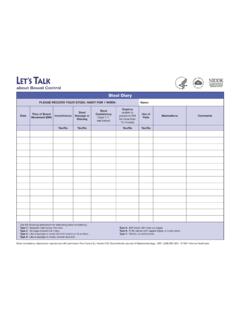
Stool Diary
www.niddk.nih.govTitle: Stool Diary Author: NDDIC Subject: The Stool Diary is a chart for recording daily bowel movement details such as time, presence of incontinence, stool seepage or staining, stool consistency, and urgency; additional details such as use of pads, medications, and other comments can be recorde\ d.
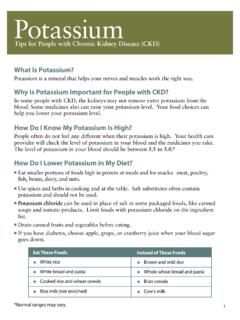
Tips for People with Chronic Kidney Disease (CKD)
www.niddk.nih.govUse spices and herbs in cooking and at the table. Salt substitutes often contain potassium and should not be used. Potassium chloride can be used in place of salt in some packaged foods, like canned soups and tomato products. Limit foods with potassium chloride on the ingredient list. Drain canned fruits and vegetables before eating.
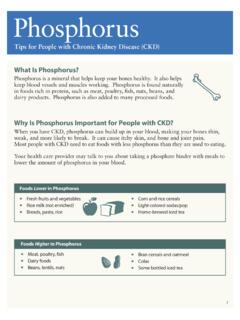
Phosphorus
www.niddk.nih.govTips for People with Chronic Kidney Disease (CKD) What Is Phosphorus? Phosphorus is a mineral that helps keep your bones healthy. It also helps keep blood vessels and muscles working. Phosphorus is found naturally in foods rich in protein, such as meat, poultry, fish, nuts, beans, and dairy products. Phosphorus is also added to many processed ...

Principles of Motivational Interviewing
www.niddk.nih.govbeginning, you may have misunderstood their readiness to change or another issue. Labeling is unnecessary: “non-compliant” should be barred from your mental vocabulary. Arguing is counterproductive: Confrontation does not motivate people. Client’s attitudes are shaped by their words, not yours. Roll with Resistance

El aparato digestivo y su funcionamiento
www.niddk.nih.govpliegues cubiertos de proyecciones diminutas . llamadas vellosidades. Éstas sucesivamente están cubiertas de proyecciones microscópicas llamadas microvellosidades. Estas estructuras crean una superficie amplia a través de la cual se pueden absorber los nutrientes. Hay células especializadas que permiten que los materiales absorbidos
Related documents
KDIGO Clinical Practice Guideline for ... - KIDNEY DISEASE
kdigo.orgCURRENT CHRONIC KIDNEY DISEASE (CKD) NOMENCLATURE USED BY KDIGO CKD is defined as abnormalities of kidney structure or function, present for 43 months, with implications for health. CKD is classified based on Cause, GFR category (G1-G5), and Albuminuria category (A1-A3), abbreviated as CGA. Persistent albuminuria categories Description and ...

Chronic Kidney Disease (CKD) Algorithm
generalpracticemedicine.orgChronic Kidney Disease (CKD) Algorithm | Page 2 How should it be done? Measure eGFR • 2If eGFR in the first test < 60ml/min/1.73m (Adjust for ethnicity if necessary. Multiply by 1.21 if Africo- Caribbean ethnicity) repeat within 14 days to exclude acute kidney injury • To identify progression take at least 3 eGFRs over at least 90 days
Executive summary of the KDIGO 2021 ... - KIDNEY DISEASE
kdigo.orgOct 09, 2020 · (BP) in Chronic Kidney Disease (CKD) guideline in the CKD population not receiving dialysis was published in 2012. Since then, completion of the Systolic Blood Pressure Intervention Trial (SPRINT) sponsored by the National In-stitutes of Health along with several related meta-analyses and the revision of BP guidelines by many guideline task forces

Chronic Kidney Disease and Nutrition - Ministry of Health
www.health.govt.nz0800 KIDNEY / 0800 543 639 www.kidneys.co.nz Chronic Kidney Disease and Nutrition 1 Eating well when you have kidney disease is very important to help you stay as healthy and strong as possible. Including the right kinds and amounts of foods each day recommended for healthy eating can help your

DIABETES AND CHRONIC KIDNEY DISEASE
www.kidney.orgChronic kidney disease (CKD) means that the kidneys have been damaged. Kidneys can get damaged from a physical : injury or a disease like diabetes or high blood pressure. Once your kidneys are damaged, they cannot filter your blood or do other jobs as well as they should. There are five stages of

BLOOD CLOTS AND CHRONIC KIDNEY DISEASE (VTE AND …
www.kidney.orgCKD (Chronic Kidney Disease) means that your kidneys have not been working at a normal level for at least 3 months. This loss of function usually cannot be reversed. The good news is that there are many things you can do to slow down more loss of your kidney function. CKD may put you at higher risk for VTE. The reasons for this are not well ...
Assessing Nutrition in Patients With Chronic Kidney ...
www.todaysdietitian.comJul 02, 2012 · Chronic kidney disease (CKD), which affects millions of people every year, can occur as a result of various diseases and health conditions. It also can occur when patients fail to take prescribed medications for chronic diseases or because of a poor financial situation that prevents patients from seeking treatment.