<insert self-management goal> Quick Reference Guide
Hold SADMANS meds. Restart once able to eat/drink normally. S sulfonylureas, other secretagogues A ACE-inhibitors D diuretics, direct renin inhibitors M metformin A angiotensin receptor blockers N non-steroidal anti-infl ammatory drugs S• SGLT2 inhibitors Special considerations for women with type 1 …
Download <insert self-management goal> Quick Reference Guide

Information
Domain:
Source:
Link to this page:
Documents from same domain
Canadian Journal of Diabetes
guidelines.diabetes.caindependence is lost and/or life expectancy shortens, the benefit of lower glycemic targets is diminished and the risk of hypoglyce-mia increases (40–42).

DiabetesCanadaClinicalPracticeGuidelinesExpertCommittee ...
guidelines.diabetes.caType2DiabetesinChildrenandAdolescents,p.S247 DiabetesandPregnancy,p.S255 Relevant Appendices Appendix 5. Self-Monitoring of Blood Glucose (SMBG) RecommendationToolforHealth-CareProviders

ÉTAPE 1 - guidelines.diabetes.ca
guidelines.diabetes.caSuggestions pour l’amorçage et le titrage de l’insuline dans les cas de diabète de type 2 Les personnes qui commencent à prendre de l’insuline doivent être renseignées sur la prévention, la reconnaissance et le traitement de l’hypoglycémie.
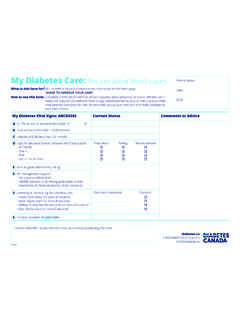
My Diabetes Care: Patient Name
guidelines.diabetes.caA1C The A1C is a blood test that will help you know whether your blood sugar has been at target over the past 3 months. A lower A1C will reduce your risk A lower A1C will reduce your risk of heart disease, stroke, kidney disease, eye problems, nerve damage, and foot problems.

High blood pressure and diabetes - guidelines.diabetes.ca
guidelines.diabetes.caWhy is controlling blood pressure important for people with diabetes? When blood pressure is high, it puts stress on the body. This can cause damage to the heart, brain, kidneys,
<insert self-management goal> Quick Reference Guide
guidelines.diabetes.caA1C <1.5% above target A1C ≥1.5% above target Symptomatic hyperglycemia and/or metabolic decompensation* Add additional antihyperglycemic agent best suited to the individual based on the following: Clinical Considerations Choice of Agent Avoidance of hypoglycemia and/or weight gain with adequate glycemic effi cacy

Pharmacologic Glycemic Management of Type 2 Diabetes in ...
guidelines.diabetes.ca2018 (1). New evidence has been published since the 2018 guide-lines, prompting this update to our recommendations for Chapter 13, “Pharmacologic Glycemic Management of Type 2 Diabetes in Adults” (1). What’s New in 2020 First, additional agents approved for use in Canada have been shown to have cardiovascular (CV) benefits in patients ...

Glycemic Index Food Guide - Diabetes Canada
guidelines.diabetes.caTry these meal planning ideas to lower meal GI: &RRN\RXUSDVWDDOGHQWH 4UP &KHFN\RXU pasta package instructions for cooking time. Make fruits and milk part of your meal plate (Figure 1). These foods often have a low GI and make a healthy dessert. Try lower GI grains, such as barley and bulgur. Pulses can be grains and starches or meat and
Glycemic Index Food Guide - Diabetes Canada
guidelines.diabetes.caThe glycemic index (GI) is a scale that ranks a carbohydrate-containing food or drink by how much it raises blood sugar levels after it is eaten or drank. Foods with a high GI increase blood sugar higher and faster than foods with a low GI. There are three GI categories:

Lows and highs: blood sugar levels - Diabetes Canada
guidelines.diabetes.caWhat is LOW blood sugar? When the amount of blood glucose (sugar in your blood) has dropped below your target range (less than 4 mmol/L), it is called low blood sugar or hypoglycemia. What are the signs of a LOW blood sugar level? You may feel: • Shaky, light-headed, nauseated • Nervous, irritable, anxious • Confused, unable to concentrate
Related documents
Medical Terminology Information Sheet
mfpweb.nursing.uic.edu• HbA1C= diabetes blood test 1. Medical Terms by Body System HEENT – Head, Ears, Eyes, Nose & Throat: • Occipital – back of the head ... meds medicines 4. mEq/1 milliequivalent per liter Mg milligram MI myocardial infarction (heart attack) Mm millimeter Mo mother
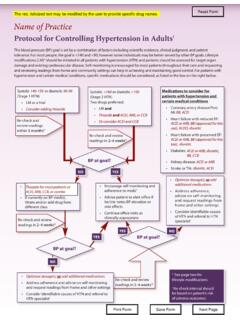
Protocol for Controlling Hypertension in Adults
millionhearts.hhs.gov• Diabetes: • Kidney disease: • Stroke or TIA: MI: t BP at goal? BP at goal? Systolic. or diastolic (Stage 2 HTN) Two drugs preferred: • LM . and • • YES. YES. YES. NO. NO. NO • Encourage self-monitoring and adherence to meds. 3 • Advise patient to alert office if he/she notes BP elevation or side effects • Continue office ...
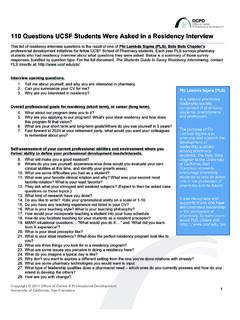
110 Questions UCSF Students Were Asked in a Residency ...
career.ucsf.edualso included Phenytoin level, nausea, Diabetes meds, Asthma meds. 56. Written questions asking you to match the infectious organism with the antibiotic of choice. 57. Written calculation questions: for example - convert % into mcg/mL or Dobutamine drip calculation. 58. CAP - etiology, case-study, select drugs, counseling points evolving into ...

BILLING AND CODING BOOT CAMP - RURAL HEALTH CLINIC
www.ruralcenter.org(i.e., remove meds, change meds, add meds), the conditions should be the reason for encounter •Performing the professional interpretation (reading) of an EKG or X-ray on a different date of service than the date when the ... DIABETES EDUCATION •DSMT & …

IN PATHOPHYSIOLOGY BASICS DIABETES MELLITUS …
d23mojj3wm3gqd.cloudfront.net“MetaBOLic Syndrome”-Increased risk for diabetes, heart disease, stroke B–BP meds or HTN (over 130 sysolic) B–Blood Sugar Meds (insulin, oral diabetics) or High Blood Sugar (over 100+) O–Obese (waist size: 35+ Female 45+ Male) L–Lipids HIGH Total Cholestrol/Triglyceride/LDL 200-150-100—HDL 40 (higher LDL and lower HDL are risk factors) 3 or MORE criteria* *