<insert self-management goal> Quick Reference Guide
At diagnosis of type 2 diabetes Start healthy behaviour interventions (nutritional therapy, weight management, physical activity) +/- metformin A1C <1.5% above target A1C ≥1.5% above target Symptomatic hyperglycemia and/or metabolic decompensation* Add additional antihyperglycemic agent best suited to the individual based on the following:
Download <insert self-management goal> Quick Reference Guide

Information
Domain:
Source:
Link to this page:
Documents from same domain
Canadian Journal of Diabetes
guidelines.diabetes.caindependence is lost and/or life expectancy shortens, the benefit of lower glycemic targets is diminished and the risk of hypoglyce-mia increases (40–42).

DiabetesCanadaClinicalPracticeGuidelinesExpertCommittee ...
guidelines.diabetes.caType2DiabetesinChildrenandAdolescents,p.S247 DiabetesandPregnancy,p.S255 Relevant Appendices Appendix 5. Self-Monitoring of Blood Glucose (SMBG) RecommendationToolforHealth-CareProviders

ÉTAPE 1 - guidelines.diabetes.ca
guidelines.diabetes.caSuggestions pour l’amorçage et le titrage de l’insuline dans les cas de diabète de type 2 Les personnes qui commencent à prendre de l’insuline doivent être renseignées sur la prévention, la reconnaissance et le traitement de l’hypoglycémie.
My Diabetes Care: Patient Name
guidelines.diabetes.caA1C The A1C is a blood test that will help you know whether your blood sugar has been at target over the past 3 months. A lower A1C will reduce your risk A lower A1C will reduce your risk of heart disease, stroke, kidney disease, eye problems, nerve damage, and foot problems.

High blood pressure and diabetes - guidelines.diabetes.ca
guidelines.diabetes.caWhy is controlling blood pressure important for people with diabetes? When blood pressure is high, it puts stress on the body. This can cause damage to the heart, brain, kidneys,
<insert self-management goal> Quick Reference Guide
guidelines.diabetes.caA1C <1.5% above target A1C ≥1.5% above target Symptomatic hyperglycemia and/or metabolic decompensation* Add additional antihyperglycemic agent best suited to the individual based on the following: Clinical Considerations Choice of Agent Avoidance of hypoglycemia and/or weight gain with adequate glycemic effi cacy

Pharmacologic Glycemic Management of Type 2 Diabetes in ...
guidelines.diabetes.ca2018 (1). New evidence has been published since the 2018 guide-lines, prompting this update to our recommendations for Chapter 13, “Pharmacologic Glycemic Management of Type 2 Diabetes in Adults” (1). What’s New in 2020 First, additional agents approved for use in Canada have been shown to have cardiovascular (CV) benefits in patients ...

Glycemic Index Food Guide - Diabetes Canada
guidelines.diabetes.caTry these meal planning ideas to lower meal GI: &RRN\RXUSDVWDDOGHQWH 4UP &KHFN\RXU pasta package instructions for cooking time. Make fruits and milk part of your meal plate (Figure 1). These foods often have a low GI and make a healthy dessert. Try lower GI grains, such as barley and bulgur. Pulses can be grains and starches or meat and
Glycemic Index Food Guide - Diabetes Canada
guidelines.diabetes.caThe glycemic index (GI) is a scale that ranks a carbohydrate-containing food or drink by how much it raises blood sugar levels after it is eaten or drank. Foods with a high GI increase blood sugar higher and faster than foods with a low GI. There are three GI categories:

Lows and highs: blood sugar levels - Diabetes Canada
guidelines.diabetes.caWhat is LOW blood sugar? When the amount of blood glucose (sugar in your blood) has dropped below your target range (less than 4 mmol/L), it is called low blood sugar or hypoglycemia. What are the signs of a LOW blood sugar level? You may feel: • Shaky, light-headed, nauseated • Nervous, irritable, anxious • Confused, unable to concentrate
Related documents
Quality ID #134: Preventive Care and Screening: Screening ...
qpp.cms.govDementia (CSDD), PRIME MD-PHQ-2, Hamilton Rating Scale for Depression (HAM-D), Quick Inventory of Depressive Symptomatology Self-Report (QID-SR), Computerized Adaptive Testing Depression Inventory (CAT-DI), and Computerized Adaptive Diagnostic Screener (CAD-MDD) • Perinatal Screening Tools
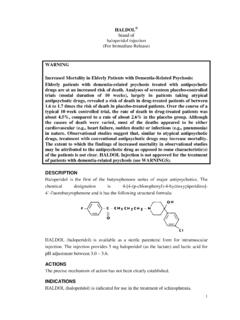
HALDOL - Food and Drug Administration
www.accessdata.fda.gova diagnosis, it is important to identify cases where the clinical presentation includes both serious medical illness (e.g., pneumonia, systemic infection, etc.) and untreated or inadequately treated extrapyramidal signs and symptoms (EPS). Other important considerations in the differential diagnosis include central anticholinergic toxicity,
Medicare National Coverage Determinations Manual
www.cms.gov210.2 - Screening Pap Smears and Pelvic Examinations for Early Detection of Cervical or Vaginal Cancer 210.2.1 Screening for Cervical Cancer with Human Papillomavirus (HPV) Testing (Effective July 9, 2015) 210.3 – Colorectal Cancer Screening Tests 210.4 – Smoking and Tobacco-Use Cessation Counseling (Effective March 22, 2005)

Fact sheet Urinary tract infection in adults
www.cppe.ac.ukdementia. and those in care homes, UTIs may not present in a typical ... Diagnosis/detection . A definitive diagnosis of a UTI requires a positive microbiology culture to confirm the presence of bacteria in ... Decision aid for diagnosis and management of suspected urinary tract infection (UTI) in older people. The NHS Infection. Prevention.

Delirium and dementia
www.dementia.org.auDementia &A 21 For language assistance National ementia elpline 1800 100 500 call 131 450 Delirium and dementia This Q&A sheet provides information about what delirium is, and, how it relates to people with dementia. It describes the causes, consequences, diagnosis and management of delirium. This Q&A

I. Improve prevention and tackling health inequalities
www.england.nhs.ukand dementia cases by 2029 through the earlier detection and treatment of CVD risk factors. The IIF indicators focussing on CVD will drive relevant activity to support this ambition, with a particular focus on hypertension in 21/22: Hypertension case finding CVD is a leading cause of death and disability in England, but an estimated 30% of