
低体温症対策 - maritime-forum.jp
7 8 1-3 低体温症の分類 1-4 低体温症の体内変化(症状) 第1章 低体温症 第1章 低体温症 q a 低体温症は、 どのように分類されるのですか? 低体温症は、軽度、中等度、重度の
Download 低体温症対策 - maritime-forum.jp

Information
Domain:
Source:
Link to this page:
Documents from same domain

A-1案 2010 A-2案 最終報告書 B-1案 - maritime …
www.maritime-forum.jpはじめに. 運輸安全マネジメントの現状. 企業の不祥事や事故が相次ぎ、 組織の. 社会的責任が強く求められ、最近では社会 ...
I M O STCW条約第6章に定める 基本訓練に関する …
www.maritime-forum.jpはじめに 2012年1月1日に、2010年マニラ改正stcw条約が、施行された。 この改正には、ecdis等の技術的な改正のほか、船員として身につけておかな

はしがき - maritime-forum.jp
www.maritime-forum.jpDec 12, 2002 · 海上安全委員会への報告 第1巻 Ⅰ部 ・海上安全委員会への報告 ・附属書1 改正1978 年の船員の訓練及び資格証明並びに当直の基準に関する

ERM DVD (Jap) テキスト11-10ー05(完成版)最終版 24.2
www.maritime-forum.jpテキスト Engine-room Resource Management (ERM) エンジンルームリソースマネジメント 財団法人海技振興センター Dr. David GATFIELD
Related documents
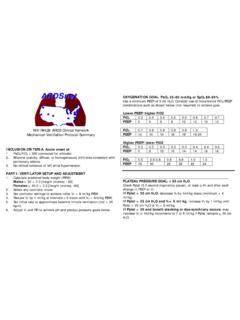
ARRDDSSnneett A OXYGENATION GOAL: PaO 55-80 mmHg …
www.ardsnet.orgTitle: Microsoft Word - 6mlcardsmall_2008update_final_JULY2008.doc Author: Information Systems Created Date: 7/21/2008 10:53:59 AM

Thermoregulation Self Learning Module FINAL 2013 06
www.cmnrp.caHypothermia occurs when the newborn’s axillary temperature drops below 36.3°C (ACoRN, 2012) or below 36.5°C (AAP/ACOG, 1997; WHO, 1997). The following characteristics put newborns at a greater risk of heat loss: • A large surface area-to-body mass ratio • …
&DPSLQJ
www.usscouts.orgHypothermia: Frostbite: Heat reactions: Dehydration: Altitude sickness: Insect stings: Tick bites: Snakebite: Camping - Merit Badge Workbook Page. 2 of 21. Camping Scout's Name: _____ _____ Blisters: Hyperventilation: 2. Learn the Leave No Trace principles and …
)LUVW $LG
www.usscouts.orgHypothermia Hyperventilation Stopped breathing Stroke Severe bleeding Ingested poisoning c d. Explain what to do in case of accidents that require emergency response in the home and backcountry. c Explain what constitutes an emergency and what information you will need to provide to a responder. c e.

Orienteering
usscouts.orgHypothermia: Dehydration: Explain to your counselor why you should be able to identify poisonous plants and poisonous animals that are found in your area. Orienteering - Merit Badge Workbook Page. 2 …
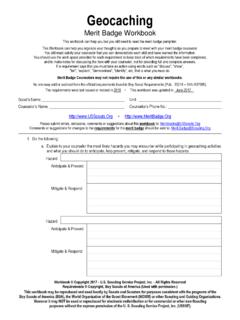
Geocaching - U.S. Scouting Service Project
usscouts.orgHypothermia: Dehydration: c. Discuss how to properly plan an activity that uses GPS, including using the buddy system, sharing your plan with others, and considering the weather, route, and proper attire. 2. Discuss the following with your counselor: a. Why you should never bury a cache. Geocaching - Merit Badge Workbook Page. 4 of 11

BLOOD CULTURE - bioMérieux
www.biomerieux-usa.comundetermined fever (≥38°C) or hypothermia (≤36°C) shock, chills, rigors severe local infections (meningitis, endocarditis, pneumonia, pyelonephritis, intra-abdominal suppuration…). abnormally raised heart rate low or raised blood pressure raised respiratory rate effective antibiotic therapy as early as possible can have a significant impact

Deaths Attributed to Heat, Cold, and Other Weather Events ...
www.cdc.govall; 63% were attributed to exposure to excessive natural cold, hypothermia, or both; and the remaining 6% were attributed to floods, storms, or lightning. Weather-related death rates varied by age, race and ethnicity, sex, and characteristics of decedent’s county of residence (median income, region, and urbanization level).

NHSN UTI Checklist - Centers for Disease Control and ...
www.cdc.gov• Hypothermia (<36.0°C) ☐ • Apnea* ☐ • Bradycardia* ☐ • Lethargy* ☐ • Vomiting* ☐ • Suprapubic tenderness* ☐ 3. Patient has a urine culture with no more than two species of organisms identified, at least one of which is 5a bacterium of …

Therapeutic Hypothermia Protocol for Cardiac Arrest
www.med.upenn.eduTherapeutic Hypothermia Protocol for Cardiac Arrest Patient Selection Patients who present to the Emergency Department (ED) or Critical Care Unit (CCU) after cardiac arrest (in or out of hospital) who have a return of spontaneous circulation (ROSC) and have the following conditions should be considered for this protocol. 1.