Plant Classification - Seneca High School
Scientific Classification Kingdom Division (Phylum) Class Subclass Order Family Genus Species Variety
Download Plant Classification - Seneca High School

Information
Domain:
Source:
Link to this page:
Documents from same domain
Explaining a Soil Profile
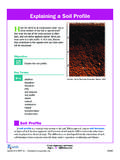
www.senecahs.orgA soil profile is usually studied to a depth of 3 to 5 feet. To see the soil profile, soil cores may be taken or holes dug to expose the pro-file.

Understanding Soil Texture and Structure
www.senecahs.orgSilt is the mid-size soil particle. Silt has good water-holding ability and good fertility char-acteristics. It feels like flour when dry and smooth like velvet when moist.
Understanding Leaf Anatomy and Morphology
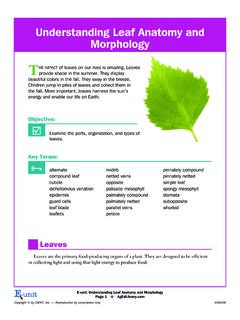
www.senecahs.orgare responsible for most of the photosynthesis in the leaf and are called the palisade mesophyll. Located under the palisade mesophyll are loosely packed cells called the spongy mesophyll.

STHS Random Drug Testing Program Frequently Asked …
www.senecahs.orgFrequently Asked Questions Q: Why is this drug testing policy being put into place? A: Participation in extracurricular activities is a privilege, and participants need to be exemplars. The District also wants to foster health, safety, and the welfare of its students.
Plant Classification - Seneca High School
www.senecahs.orgPlant Divisions Tracheophyta or Spermophyta – Seed Producing plants that bear flowers – Pterodophyta - a class of Tracheophyta that does not produce seeds (Ferns, reproducing with spores) Thallophyta – Fungi and bacteria
Explaining a Soil Profile - senecahs.org
www.senecahs.orgA soil profile is a vertical cross section of the soil. The differences are developed from the interaction of such soil-forming factors as parent material, slope, native vegetation, weathering, and climate. As a soil ages, horizontal layers develop and changes result. The causes of these

Understanding Horticulture
www.senecahs.orgapples, and pears. Small fruits include strawberries, raspberries, and blueberries. Almonds, pecans, and walnuts are popular nut crops. OLERICULTURE The area of horticulture that involves the production of vegetable food crops is olericulture. Olericulture includes the planting, harvesting, storing, processing, and marketing of vegeta-ble crops.
Understanding Soil Texture and Structure
www.senecahs.orgSoil Structure Sand, silt, clay, and organic-matter particles in a soil combine with one another to form larger particles of various shapes and sizes. These larger particles, or clusters, are often referred to as aggregates. The arrangement of the soil particles into aggregates of various sizes and shapes is soil structure.

SPANISH I CURRICULUM GUIDE
www.senecahs.orgCurriculum Guide: SPANISH I Course of Study : Spanish Core Standard: Connections And Communities Level: 1 Standards for 21st Century Enduring Understandings Essential Questions 3.1 3.2 5.1, 5.2 ISBE 30A and 30B The study of language applies to many different content areas. In what ways are the other subject areas in the curriculum affected by
Understanding Leaf Anatomy and Morphology
www.senecahs.orgAxillary bud Stipule Stem Petiole Blade FIGURE 1. The major parts of a leaf. Dicots have leaves with veins that connect and branch from each other. Veins in a branch-ing pattern are called netted veins. A leaf with netted veins sometimes has several smaller
Related documents
Biological Classification Worksheet - mrscienceut.net
mrscienceut.netName _____ Score _____ Biological Classification Worksheet Five-Kingdom System Animal Kingdom – Invertebrates (without backbones) and vertebrates (with backbones), multicellular, no cell walls, obtain energy through respiration

DoD Ammunition and Explosives Hazard Classification …
uxoinfo.comtb 700–2 navseainst 8020.8b to 11a-1-47 dlar 8220.1 joint technical bulletin department of defense ammunition and explosives hazard classification procedures
Quick Guide to Classification of the Animal Kingdom
www.ellenjmchenry.comQuick Guide to Classification of the Animal Kingdom NOTES: • You can use these as single pages, or you may want to cut and tape them into one very
Introduction to the Position Classification Standards
www.opm.govIntroduction to the Position Classification Standards TS-134 July 1995, TS-107 August 1991 Revised: August 2009 classification system should be a guide to judgment and supportive of each agency’s efforts to