
Soil Lab - UWSP
4. pH is a measure of how acidic or basic things are. We assign a number scale from 0 to 14 to things to tell us how acidic or basic they are. A pH of 7 is neutral, less than 7 is acidic like vinegar with a pH of 3.5, and more than 7 is basic like ammonia with a pH of 10. (When soil pH is basic, it is usually called “alkaline.”) a.
Download Soil Lab - UWSP

Information
Domain:
Source:
Link to this page:
Documents from same domain
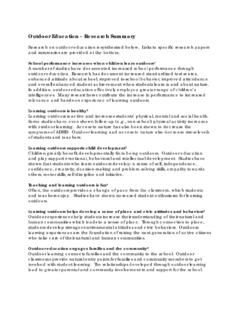
Outdoor Education – Research Summary
www.uwsp.eduOutdoor Education – Research Summary. Research on outdoor education is synthesized below. ... Outdoor learning and access to nature …
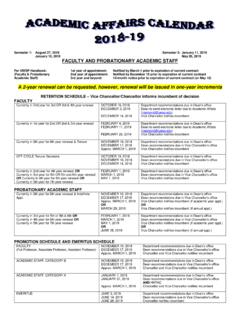
FACULTY AND PROBATIONARY ACADEMIC STAFF A 2-year …
www.uwsp.eduFIXED TERM RETENTION NOTIFICATION ACADEMIC STAFF - Procedure changed as of 2-15-18. Processed through Human Resources and employee is hired …

Faculty, Academic Staff, and Limited Absence Reporting
www.uwsp.eduUpdated November 2017 3 ACCESSING ESS THROUGH MYPOINT Via myPoint, under the Administrative tab, click on ^My UW System. _ Access the page using your UW credentials.
WHY IS NUTRITION IMPORTANT? - Stevens Point
www.uwsp.eduWhy is nutrition important? Why is nutrition important? ... – Terrestrial vs. aquatic ... Eats algae, aquatic plants, insects, other animal material GI tract/body length ~ 2 Short, simple GI tract to extract nutrients that are easily digestible . Digestion and Absorption ?
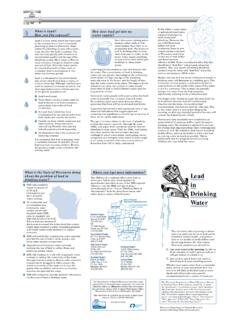
Lead in Drinking Water - UWSP
www.uwsp.edulead in drinking water is most likely lead pipe or solder in the house water supply plumbing, or lead service lines which join buildings to street water mains. Under typical circumstances, lead will dissolve into the water. The concentration of lead in drinking
Planning Implementation Tools - University of Wisconsin
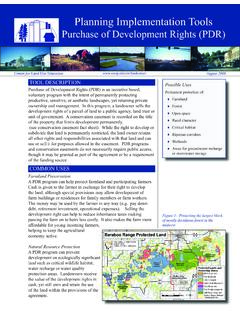
www.uwsp.eduPlanning Implementation Tools Purchase of Development Rights (PDR) Purchase of Development Rights (PDR) is an incentive based, voluntary program with the intent of permanently protecting

FEDERAL STUDENT LOANS - Stevens Point
www.uwsp.eduWilliam D. Ford Federal Direct Loan (Direct Loan) Program. It is the largest federal student loan program, ED is your lender, and there are four types of Direct Loans: 1. Direct Subsidized Loans—For eligible undergraduate students. Generally, no interest is charged on subsidized loans while you are
Measles/Mumps/Rubella -- MMR - Stevens Point
www.uwsp.edumumps, and rubella because of risk of infection to the workers and spread to patients. A varicella vaccine is available for adults 60 years or older to prevent herpes zoster also known as shingles. Studies have found it reduces the
The Value of Gardening with Native Plants - UWSP
www.uwsp.eduGardening with Native Plants By Patrick Goggin, Lakes Specialist, UW-Extension Lakes People around North America are planting more native gardens. Native grasses, sedges, rushes, wildflowers, ferns, shrubs and trees bolster habitat for wildlife, conserve water and
larry mcdonald program - UWSP
www.uwsp.eduLarry McDonald is a legendary New York-based percussionist for Dub is a Weapon, The Rocksteady 7, and a number of other reggae, ska, and world music artists. A native of Jamaica…
Related documents
Soil Bulk Density as related to Soil Texture, Organic ...
www.ijsrp.orgA pH and Electrical Conductivity of soil samples were measured by Soil Testing Kit Model 161E. A 20 gms of collected soil was weighed out into a 150 ml plastic jar and 100 ml distill water was added to it. Lid of jar was packed tightly and stirred continuously for …

Basic Soil Properties - Purdue Agriculture
ag.purdue.eduAgronomy 105 Soil & Water: Basic Soil Properties 2 Three Categories of Soil Properties •Physical: texture (proportions of sand, silt and clay), structure, bulk density, moisture, infiltration, porosity •Chemical: nutrient content, salinity, pH, organic matter, mineral content (parent material)
Changing pH in Soil - University of California, Davis
vric.ucdavis.eduthe ammonium form of nitrogen to the nitrate form that plant can use also depends on the soil pH. Soil pH should be checked periodically and consistent testing will indicate whether your pH-control program is working. Raising pH The ideal pH range for soil is from 6.0 to 6.5 because most plant nutrients are in their most available state. If a ...
SOILS, SOIL CHARACTERISTICS AND SOIL MANAGEMENT
www.agronomy.k-state.eduThe soil has three major horizons (Fig. 2). 2 “A” horizon is the top layer of the soil in which organic matter has accumulated from plant and animal residues and from which clay and chemical elements have been leached into lower layers. The “A” horizon, then, is the leached layer of soil. “B” horizon is the middle layer of soil into ...

Soil Analysis - Clemson University
www.clemson.edutest. Soluble salts, pH P K Ca Mg and nitrates will be determined on a saturated water extract. _____ SBD – Bulk Density of soilless mixes _____$10.00 . LAB USE ONLY . L A B U S E O N L Y. LAB USE ONLY LAB USE ONLY . Soil Analysis . Agricultural Service Laboratory . 171 Old Cherry Road / Clemson, SC 29634 . Phone: 864-656-2068 Fax: 864-656-2069

Testing Your Soil Why and How to Take a Soil-Test Sample
www.nrcs.usda.govA soil analysis can help farmers and gardeners answer these questions. A basic soil analysis provides informa-tion on two important soil characteristics: • Soil pH is a measurement on a scale from acid (low pH) to alkaline (high pH). Most soils are on the acid side of the pH spectrum. Good soils for crop produc-
Inherent Factors Affecting Soil pH - USDA
www.nrcs.usda.govPage 1 Guides for Educators Soil pH is a measure of soil acidity or alkalinity. It is an important indicator of soil health. It affects crop yields, crop suitability, plant nutrient availability, and soil micro-organism activity which influence key soil processes.