Teach 1 Shared Reading-FINAL
P-CHILD 3 TEACH 1 Before: In shared reading, the teacher introduces the story, talking about the title, cover, and title page. It is a good time to engage the students in what
Download Teach 1 Shared Reading-FINAL

Information
Domain:
Source:
Link to this page:
Documents from same domain
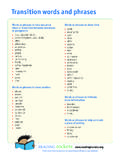
Transition words and phrases - Reading Rockets
www.readingrockets.orgREADING rockets www.readingrockets.org Transition words and phrases Words or phrases to help sequence ideas or transition between sentences or paragraphs
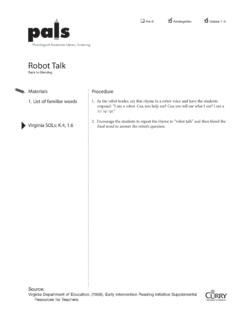
Beginning Sounds update - Reading Rockets
www.readingrockets.orgMaterials Procedure Pre-K Kindergarten Grades 1–3 Robot Talk Back to Blending 1. List of familiar words Virginia SOLs: K.4, 1.6 1. As the robot leader, say this rhyme in a robot voice and have the students
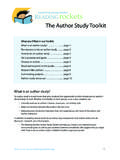
T Toolkit - Reading Rockets
www.readingrockets.orgT Toolkit V ww.readingrockets.org 2 Ten reasons to do an author study 1. Help students develop their reading skills Author studies necessarily require lots of reading, giving kids plenty of opportunities to improve their
Story Map 1 - Reading Rockets
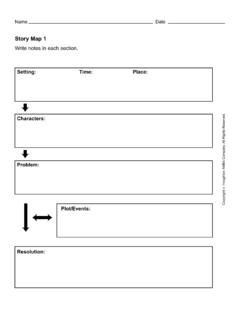
www.readingrockets.orgCopyright © Houghton Mi f flin Compan y. All Rights Reserved. Setting: Time: Place: Title _storymap1_eng.pdf Created Date: 9/16/2003 7:14:44 PM
e SCHOLASTIC Story Map Main Characters …
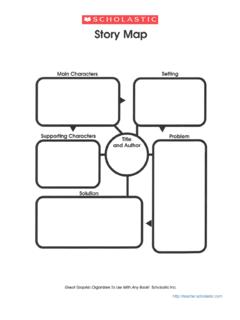
www.readingrockets.orge SCHOLASTIC Story Map Main Characters Supporting Characters Title and Author Solution Setting Problem Great Graphic Organizers To Use With Any Book!
Making Sense in Social Studies S u m I t U p
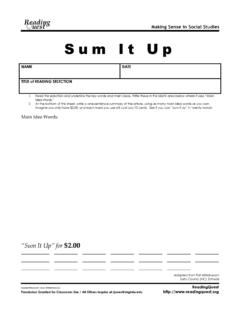
www.readingrockets.orgTitle: Microsoft Word - pdf portrait Author: Raymond Jones Created Date: 2/15/2007 5:13:46 PM
A collaborative project of - WETA
www.readingrockets.orgwww.readingrockets.org | www.k8accesscenter.org | www.ldonline.org What this feels like to me • “I don’t know any words that rhyme with cat.” “What do …
The Dyslexia Toolkit - Reading Rockets
www.readingrockets.orgThe Dyslexia Toolkit An Essential Resource Provided by the National Center for Learning Disabilities
RAFTing Example - Reading Rockets
www.readingrockets.orgRAFTing Example Don't Let Your Car Make a Fuel Out of You! Objectives - Language Arts 1. Students will analyze details in existing …
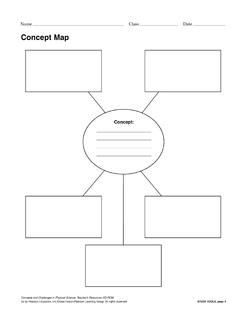
Name Class Date - Reading Rockets
www.readingrockets.orgConcepts and Challenges in Physical Science, Teacher’s Resources CD-ROM (c) by Pearson Education, Inc./Globe Fearon/Pearson Learning Group. All rights reserved.
Related documents
Suggested Read Aloud Titles - Reading and Writing …
readingandwritingproject.comTeachers College Reading and Writing Project Suggested Read Aloud Titles – Grades K-8 The levels of these books were proposed by teachers, literacy coaches and staff developers, and a few of those levels may, in fact,

Lesson 3: Strategies to Build Reading Fluency
www.readingrockets.orgKids As Reading Helpers: A Peer Tutor Training Manual Copyright 2002 by Jim Wright www.interventioncentral.org L3-3 Peer Tutor Training Curriculum Lesson 3: Strategies to Build Reading Fluency
The Joy and Power of Reading - Scholastic
www.scholastic.comThe Joy and Power of Reading | A Summary of Research and Expert Opinion 8 Early Readers “Children exposed to lots of books during their early childhood will

28. Reluctant THIRTY DO’S - trelease-on-reading.com
www.trelease-on-reading.comstory. During a suspenseful part, slow down, and lower your voice. 23. The most common mistake in reading aloud—whether the reader is a seven-year-old or a forty-year-old—is reading too fast.
WHY READ A good children’s book is three times …
www.trelease-on-reading.comgreater phonemic awareness (phonics) than did children who were read to less often, and were almost twice as likely to score in the top 25 percent in reading readiness.