Text Reading Efficiency Procedures - Grade 7
3. Provide student with a front-to-back Student Copy of the Oral Reading Fluency passage and questions (pages 4 – 5). During testing: 1. Put the student at ease. Tell him or her that reading silently is an important part of reading, and that he or she will be reading silently and answering a few questions about the passage previously read. 2.
Download Text Reading Efficiency Procedures - Grade 7

Information
Domain:
Source:
Link to this page:
Documents from same domain
SAMPLE LESSON FOR PRONOUNS RELATIVE ... - …
languageartsreading.dadeschools.netSAMPLE LESSON FOR PRONOUNS RELATIVE PRONOUNS Quick Explanation: Pronouns stand in the place of the noun or nouns. This reduces the number of …
Elementary LAFS Question Task Cards Grade 3 …
languageartsreading.dadeschools.netElementary LAFS Question Task Cards Grade 3 1 Office of Academics and Transformation, Department of English Language Arts, 2014-2015 Literary Informational
WHAT WILL YOUR CHILD LEARN?
languageartsreading.dadeschools.netWHAT WILL YOUR CHILD LEARN? Grade Level Expectations Building the stamina and skills to read challeng-ing fiction, nonfiction, and other materials
SAMPLE LESSON FOR NOUNS SINGULAR, PLURAL …
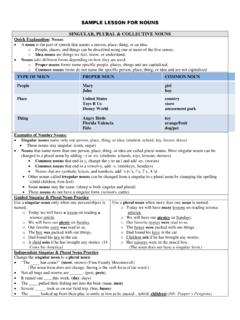
languageartsreading.dadeschools.netSAMPLE LESSON FOR NOUNS SINGULAR, PLURAL & COLLECTIVE NOUNS Quick Explanation: Nouns A noun is the part of speech that names a person, place, thing, or an idea. o People, places, and things can be described using one or more of the five senses.
SAMPLE LESSON FOR PRONOUNS POSSESSIVE …
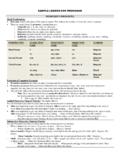
languageartsreading.dadeschools.netSAMPLE LESSON FOR PRONOUNS POSSESSIVE PRONOUNS Quick Explanation: Pronouns stand in the place of the noun or nouns. This reduces the number of times the noun is repeated. There are many forms of pronouns.Among them are:
Lexile* Grade Level Conversion Chart - Language arts
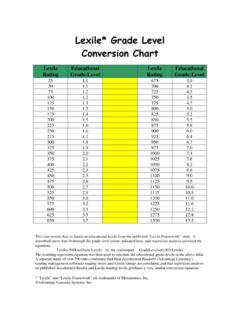
languageartsreading.dadeschools.netLexile* Grade Level Conversion Chart Lexile Rating Educational Grade-Level Lexile Rating Educational Grade-Level 25 1.1 675 3.9 50 1.1 700 4.1
SAMPLE LESSON FOR SHOW NOT TELL SHOW …
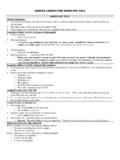
languageartsreading.dadeschools.netSAMPLE LESSON FOR SHOW NOT TELL SHOW NOT TELL Quick Explanation: To create an interesting story, the writer needs to show not tell the reader about people, places, and things they are writing about.
EDITING FOR CONVENTIONS Quick Explanation: …
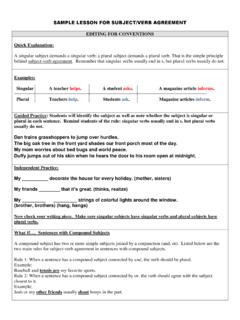
languageartsreading.dadeschools.netEDITING FOR CONVENTIONS Quick Explanation: A singular subject demands a singular verb; a plural subject demands a plural verb. That is the simple principle behind subject-verb agreement. Remember that singular verbs usually end in s, but plural verbs usually do not. Examples:
10 Things You Need to Know about the Maasai.
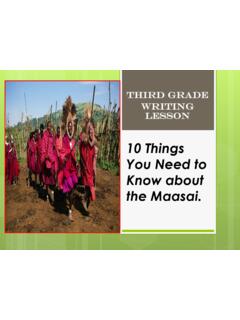
languageartsreading.dadeschools.netStudents need to be engaged in some aspect of the writing process (prewriting, drafting, writing, revising, and editing) on a daily basis Collecting a handful of mentor
Text Reading Efficiency Procedures - Grade 8
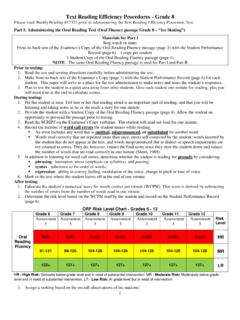
languageartsreading.dadeschools.netreading silently and answering a few questions about the passage previously read. 2. Give the student 5 – 8 minutes to silently read the passage and answer the comprehension questions on a separate
Related documents
FLUENCY RUBRIC 1 2 3 4 - timrasinski.com
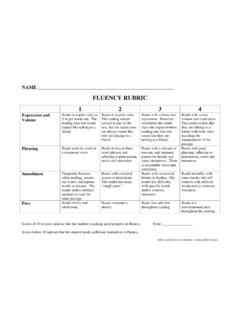
www.timrasinski.comthroughout reading. Reads at a conversational pace throughout the reading. Scores of 10 or more indicate that the student is making good progress in fluency. Score _____ Scores below 10 indicate that the student needs additional instruction in fluency. Rubric …
How To: Assess Reading Speed With CBM: Oral Reading ...
www.jimwrightonline.comReading fluency is an essential component of a student's global reading skills (National Institute of Child Health and Human Development, 2000). Furthermore, up through grade 3, reading fluency is arguably the best
Literacy Plan: A Sample Oregon Elementary School Reading ...
oregonliteracypd.uoregon.eduReading assessments are necessary to (a) determine if children are reading at grade level, (b) monitor reading progress, and (c) plan instruction. All children will be assessed at the beginning, middle, and end of the year to determine if they are reading at grade level. Children not reading
Lesson Plans Lesson 4 | Consonant Blends Lesson 4
d1yqpar94jqbqm.cloudfront.netWord Recognition and Fluency: Effective Upper-Elementary Interventions for Students With Reading Difficulties Lesson Plans Lesson 4 | , , , , , , , , , , lp
Understanding What Reading Is All About - ed
files.eric.ed.govLesson Seven: Reading with Fluency Students will learn about the role reading fluency plays in proficient reading. Students will learn about the importance of reading often as a way to promote fluency. Students will learn how to use the Wilson “scooping” strategy to promote reading fluency. Lesson Eight: Developing Reading Vocabulary

Phonics for Reading First Level - mimtsstac.org
mimtsstac.orgFluency is defined as reading with sufficient accuracy and rate to support comprehension. This graphic is represented as a stair step to show how each skill builds on the next. Simple View of Reading: Decoding. Gough, 1986: Kilpatrick, 2015. 13. This graphic shows the Simple View of Reading Language Comprehension components. The
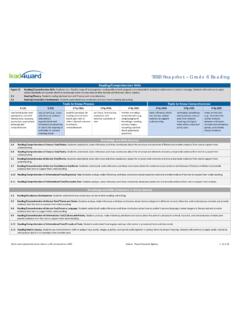
TEKS Snapshot – Grade 6 Reading
schools.saisd.netTEKS Snapshot – Grade 6 Reading (A) is used consistently when there is a SE connected to a K&S Source: Texas Education Agency v. 11.1.16 . Reading/Comprehension Skills. Figure 19 Reading/Comprehension Skills. Students use a flexible range of metacognitive reading skills in both assigned and independent reading to understand an author’s message.
Reading for Virginia Educators: Elementary and Special ...
www.ets.orgstudents’ reading skills and strategies, including word-attack skills, vocabulary, word recognition in context, reading fluency, and oral and silent reading comprehension B. Understand the use of assessment data to plan reading instruction 1. Recognize how to use assessment data to diagnose the reading needs of, and tailor
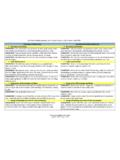
READING LITERARY (RL) READING INFORMATIONAL (RI) Key …
www.georgiastandards.orgREADING LITERARY (RL) READING INFORMATIONAL (RI) ... Read with sufficient accuracy and fluency to support comprehension. a. Read on-level text with purpose and understanding. b. Read on-level text orally with accuracy, appropriate rate, and expression on successive readings.

PASSAGES - Really Great Reading
www.reallygreatreading.com• Reading to a partner • Reading silently • Reading to someone at home • Using the comprehension questions on page 23 to help students practice extracting meaning from the passages. Building Fluency. To use the . Blast Passages. to help build fluency, students should reread the passages multiple times over the course of several days.