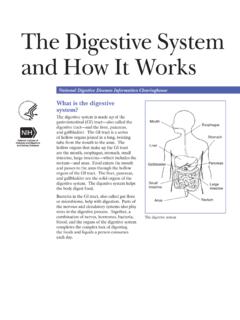
The Digestive System
digestive system. The digestive system helps the body digest food. Bacteria in the GI tract, also called gut lora or microbiome, help with digestion. Parts of the nervous and circulatory systems also play roles in the digestive process. Together, a combination of nerves, hormones, bacteria, blood, and the organs of the digestive system
Download The Digestive System

Information
Domain:
Source:
Link to this page:
Documents from same domain

Irritable Bowel Syndrome - National Institute of Diabetes ...
www.niddk.nih.gov• Irritable bowel syndrome (IBS) is a disorder that affects your gastrointestinal (GI), or digestive, tract. • Women are 2 times more likely to develop IBS than
Diabetes Insipidus
www.niddk.nih.govIn some patients, a magnetic resonance imaging (MRI) of the brain may be neces ... Subject: Defines diabetes insipidus and reviews the mechanics of normal fluid regulation. Discusses the different forms of the condition and the tests used to diagnose it. Lists organizations that can provide additional information.

Your Guide to Diabetes
www.niddk.nih.govTreatment for type 1 diabetes includes taking shots, also called injections, of insulin. sometimes taking medicines by mouth. making healthy food choices. being physically active. controlling your blood pressure levels. Blood pressure is the force of blood flow inside your blood vessels. controlling your cholesterol levels. Cholesterol is a

Protein - Tips for People with Chronic Kidney Disease
www.niddk.nih.govProtein is in many foods that you eat. Protein can be found in foods from animals and from plants. Most diets include both types of protein. Protein provides the building blocks that help maintain and repair muscles, organs, and other parts of the body. Animal-protein Foods • Meat, such as pork, beef, chicken, turkey, duck • Eggs •
Stool Diary
www.niddk.nih.govTitle: Stool Diary Author: NDDIC Subject: The Stool Diary is a chart for recording daily bowel movement details such as time, presence of incontinence, stool seepage or staining, stool consistency, and urgency; additional details such as use of pads, medications, and other comments can be recorde\ d.
Tips for People with Chronic Kidney Disease (CKD)
www.niddk.nih.govUse spices and herbs in cooking and at the table. Salt substitutes often contain potassium and should not be used. Potassium chloride can be used in place of salt in some packaged foods, like canned soups and tomato products. Limit foods with potassium chloride on the ingredient list. Drain canned fruits and vegetables before eating.
Phosphorus
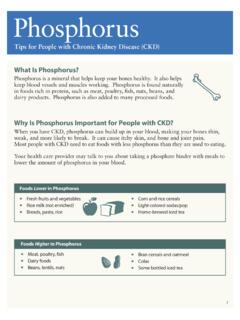
www.niddk.nih.govTips for People with Chronic Kidney Disease (CKD) What Is Phosphorus? Phosphorus is a mineral that helps keep your bones healthy. It also helps keep blood vessels and muscles working. Phosphorus is found naturally in foods rich in protein, such as meat, poultry, fish, nuts, beans, and dairy products. Phosphorus is also added to many processed ...

Principles of Motivational Interviewing
www.niddk.nih.govbeginning, you may have misunderstood their readiness to change or another issue. Labeling is unnecessary: “non-compliant” should be barred from your mental vocabulary. Arguing is counterproductive: Confrontation does not motivate people. Client’s attitudes are shaped by their words, not yours. Roll with Resistance

El aparato digestivo y su funcionamiento
www.niddk.nih.govpliegues cubiertos de proyecciones diminutas . llamadas vellosidades. Éstas sucesivamente están cubiertas de proyecciones microscópicas llamadas microvellosidades. Estas estructuras crean una superficie amplia a través de la cual se pueden absorber los nutrientes. Hay células especializadas que permiten que los materiales absorbidos

Appendicitis
www.niddk.nih.govAppendicitis is the leading cause of emergency abdominal operations. 1 . Spirt MJ. Complicated intra-abdominal infections: a focus on appendicitis and diverticulitis. Postgraduate ... is collected in a special container in a health care provider’s ofice, a commercial facility, or a hospital and can be tested in the same location
Related documents
Anatomy, Physiology, and Pathology by Body Systems
downloads.lww.comThe 11 body systems of the human organism are the integumentary system,the skeletal system, the muscular system, the nervous system, the cardiovascular system, the lymphatic system, the respiratory system, the digestive system, the endocrine sys-tem, the urinary system, and the reproductive system. In addition, the sensory system

Digestive: Practice Questions # 1
lecoursedebiase.comDigestive: Practice Questions # 1 1. The end products of digestion enter the cells of a vertebrate by the process of A. absorption B. osmosis C. emulsification D. egestion 2. In humans, structures that release digestive secretions directly into the small intestine include both the A. salivary glands and the pancreas
Rabbit Anatomy Rabbit Body Systems - SLHS AP Biology
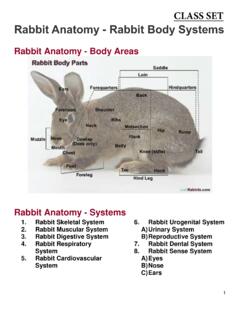
slhsapbiology.weebly.comRabbit Anatomy - Digestive System As total herbivores, rabbits have an extremely long digestive tract in order to process their food in the most efficient way. The whole of a rabbit anatomy has evolved to survive on a very poor diet, the digestive tract especially. A special
Grades 6 to 8 • Digestive System
classroom.kidshealth.orgWhen it’s functioning properly, the digestive system helps the body get the nutrients and energy it needs. But problems can occur in the digestive system. Read the KidsHealth.org article on the digestive system and the articles below, or search for others, and select one problem related to the digestive system. Research as much
Digestive Enzymes: The Key to Optimum Health
nutrihub.orgdigestive enzymes at all times. Digestive enzymes are mixed in the saliva and pancreatic juices and are released into the mouth and small intestines, respectively, to support digestion of proteins, fats and carbohydrates. Their synthesis and release occurs via carefully orchestrated and tightly controlled hormone systems that are activated

DIGESTIVE AND HEPATOBILIARY SYSTEMS
seer.cancer.govDIGESTIVE AND HEPATOBILIARY SYSTEMS DIGESTIVE SYSTEM SITES . Below is information about the subsites of the colon • The ascending colon, measuring 15 to 20 cm, begins with the cecum, a 6 to 9 cm pouch that arises at the proximal segment of the right colon at the end of the terminal ileum. It is covered with a visceral
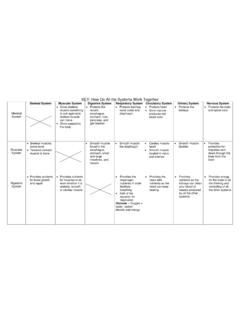
How Do All the Systems Work Together
vetmed.tamu.eduKEY: How Do All the Systems Work Together Skeletal System Muscular System Digestive System Respiratory System Circulatory System Urinary System Nervous System • mouth, Skeletal System • muscle something to pull against to skeletal muscle can move Gives skeletal • Gives support to the body • Protects the esophagus, stomach, liver,
The Digestive System Anatomy of the Digestive System
www.austincc.eduHuman Anatomy & Physiology: Digestive System; Ziser Lecture Notes, 2014.4 13 !help break down hard to digest fibers and starches !make essential vitamins and additional nutrients !protect us from pathogens, toxins and some carcinogens !activate our immune systems to better resist infections gut bacteria change and adapt as your foods change
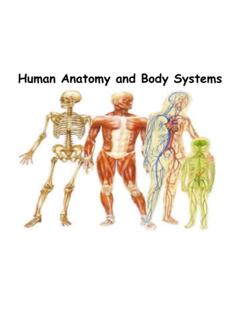
Human Anatomy and Body Systems
www.bisdtx.orgThe 11 Human Body Systems The 11 human body systems are as follows: -- nervous system -- integumentary system -- respiratory system -- digestive system -- excretory system -- skeletal system -- muscular system -- circulatory system -- endocrine system -- reproductive system -- lymphatic (immune) system
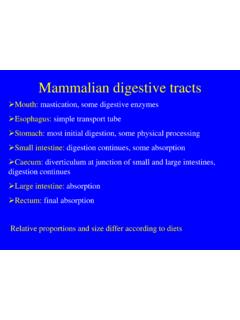
Mammalian digestive tracts
www.life.illinois.eduSerengeti migrations: digestive systems at work 1. Body size and digestive systems. 2. Structure of the herb layer. 3. Local topography and regional migrations. 4. …