The Sanctuary Model: Theoretical Framework
a trauma-specific program for adult survivors. The sanctuary Model, an outgrowth of The anctuary, is a blueprint for clinical and organizational change that promotes safety and recovery from adversity through the active creation of a trauma-informed community. today, the sanctuary Model has been expanded to in-
Download The Sanctuary Model: Theoretical Framework

Information
Domain:
Source:
Link to this page:
Documents from same domain

Engaging Youth Experiencing Homelessness
nhchc.orgIt is not a guide on street outreach for youth experiencing homelessness1. It is not evaluative or, strictly speaking, a proven “best practices” document, but it captures elements deemed to be essential by practitioners in the field. The information presented here is derived from discussions of the Engaging Homeless Youth Advisory

Homelessness & Adverse Childhood Experiences
nhchc.orgAt Care for the Homeless in New York City, screening for and addressing Adverse Childhood Experiences are integrated into their core philosophy. With a service site located at a family shelter, they have found that almost every child they serve has at least 4 adverse childhood experiences by the time they are 18 months old. Dr. Regina

Homelessness & Health
nhchc.orgHomelessness can take many forms, with people living on the streets, in encampments or shelters, in transitional housing programs, or doubled up with family and friends. While the federal government reports 1.5 million people a year experience homelessness, other estimates find up to twice this number of people

Cultural Humility Versus Cultural Competence: A Critical ...
nhchc.orgCultural Humility Versus Cultural Competence: A Critical ... discrete endpoint but as a commitment and active engagement in a lifelong process that individuals enter into on an ongoing basis with patients, commu- ... interaction techniques,3,22,23 physicians potentially create an atmosphere that

THRIVE Guide to Trauma-Informed Organizational …
nhchc.orgOrganizational Toolkit ii, the Connecticut Women’s Consortium iii. THRIVE family, youth and stakeholders have also provided invaluable insight to ensure that the guide is family driven and youth guided. The Guide to Trauma-Informed Organizational Development is designed to …

Vital Role of Case Management for Individuals Experiencing ...
nhchc.orgVital Role of Case Management for Individuals Experiencing Homelessness Implemented during the 1980s to increase access, efficiency, coordination, and accountability of services, case management has become an integral feature of health care delivery as well as support services to meet the complex needs of individuals experiencing homelessness.

Tool for Organizational Self-Assessment Related to Racial ...
nhchc.orgOrganizational Self-Assessment Related to Racial Equity. We prepared this tool because we, like you, want to live in a healthy, prosperous community – and because we believe that all our organizations have a role to play in creating an Oregon where race and ethnicity no longer predict an individual’s chances for success.
Related documents

Diversity, Inclusion and Equity Proposal - Michigan
www.michigan.govAging and Adult Services Agency, Colin Murad – Workforce Engagement and Transformation, Shelly ... Best practice indicates that an equity assessment process should include ... • Ensure buy-in and support from all department leaders and supervisors. 1 Nelson, J. & Brooks, L. (2015). Racial Equity Toolkit: An Opportunity to Operationalize ...

ADULT PROTECTIVE SERVICES MANUAL - Policies and …
policies.ncdhhs.govvarious aspects of adult protective services, including the protective services general statute, alternatives to adult protective services, and administration of the service. General statute, administrative code, and recommended social work practice assist supervisors and social workers in carrying out an adult protective services program which

Identifying and Making Referrals for Appropriate Services ...
ocfs.ny.govsocial and or physical isolation; and when a higher level of care is needed but the client is unable to advocate for self. APS caseworkers and supervisors must be able to recognize risk factors in the clients they serve. These include signs of physical abuse, self or caregiver neglect, and financial exploitation.
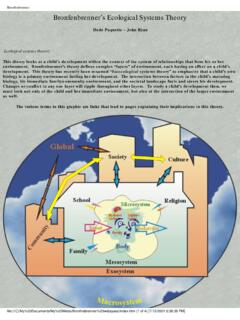
Bronfenbrenner’s Ecological Systems Theory
www.dropoutprevention.orgNov 10, 2009 · Children looking for the affirmations that should be present in the child/parent (or child/other important adult) relationship look for attention in inappropriate places. These deficiencies show themselves especially in adolescence as anti-social behavior, lack of self-discipline, and inability to provide self-direction (Addison, 1992).

Social Service Worker Program Standard (50721)
www.tcu.gov.on.caSocial Service Work is governed by the Social Work and Social Service Work Act (1998). After successful completion of the Social Service Worker program, graduates are eligible f or registration with the Ontario College of Social Workers and Social Service Workers (OCSWSSW), the regulatory body for the profession under the Act.