
Understanding Soil Texture and Structure
smallest size soil particle. Soil texture describes the proportion of the soil particles and the fineness or coarseness of a soil. The texture of a soil determines soil characteristics that affect plant growth. Three of these characteristics are water-holding capacity, permeability, and soil workability. E-unit: Understanding Soil Texture and ...
Download Understanding Soil Texture and Structure

Information
Domain:
Source:
Link to this page:
Documents from same domain
Explaining a Soil Profile
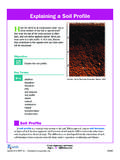
www.senecahs.orgA soil profile is usually studied to a depth of 3 to 5 feet. To see the soil profile, soil cores may be taken or holes dug to expose the pro-file.
Understanding Soil Texture and Structure
www.senecahs.orgSilt is the mid-size soil particle. Silt has good water-holding ability and good fertility char-acteristics. It feels like flour when dry and smooth like velvet when moist.
Plant Classification - Seneca High School
www.senecahs.orgCultivar Cultivars have distinguishing characteristics from the other plants in the species, but cultivars do not transfer those characteristics to offspring
Understanding Leaf Anatomy and Morphology
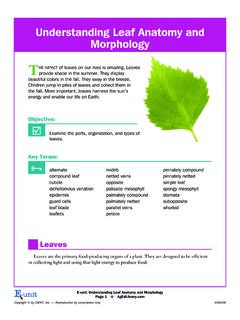
www.senecahs.orgare responsible for most of the photosynthesis in the leaf and are called the palisade mesophyll. Located under the palisade mesophyll are loosely packed cells called the spongy mesophyll.

STHS Random Drug Testing Program Frequently Asked …
www.senecahs.orgFrequently Asked Questions Q: Why is this drug testing policy being put into place? A: Participation in extracurricular activities is a privilege, and participants need to be exemplars. The District also wants to foster health, safety, and the welfare of its students.
Plant Classification - Seneca High School
www.senecahs.orgPlant Divisions Tracheophyta or Spermophyta – Seed Producing plants that bear flowers – Pterodophyta - a class of Tracheophyta that does not produce seeds (Ferns, reproducing with spores) Thallophyta – Fungi and bacteria
Explaining a Soil Profile - senecahs.org
www.senecahs.orgA soil profile is a vertical cross section of the soil. The differences are developed from the interaction of such soil-forming factors as parent material, slope, native vegetation, weathering, and climate. As a soil ages, horizontal layers develop and changes result. The causes of these

Understanding Horticulture
www.senecahs.orgapples, and pears. Small fruits include strawberries, raspberries, and blueberries. Almonds, pecans, and walnuts are popular nut crops. OLERICULTURE The area of horticulture that involves the production of vegetable food crops is olericulture. Olericulture includes the planting, harvesting, storing, processing, and marketing of vegeta-ble crops.

SPANISH I CURRICULUM GUIDE
www.senecahs.orgCurriculum Guide: SPANISH I Course of Study : Spanish Core Standard: Connections And Communities Level: 1 Standards for 21st Century Enduring Understandings Essential Questions 3.1 3.2 5.1, 5.2 ISBE 30A and 30B The study of language applies to many different content areas. In what ways are the other subject areas in the curriculum affected by
Understanding Leaf Anatomy and Morphology
www.senecahs.orgAxillary bud Stipule Stem Petiole Blade FIGURE 1. The major parts of a leaf. Dicots have leaves with veins that connect and branch from each other. Veins in a branch-ing pattern are called netted veins. A leaf with netted veins sometimes has several smaller
Related documents

1 THE SCIENCE OF COMPOSTING - Cornell University
cwmi.css.cornell.eduproduce a material that looks and smells like rich soil and can be used to enhance soil texture and productivity. So, what are these conditions that promote composting? The physical and chemical conditions that should be maintained in a compost heap seem logical if you think about what compost really is—a

Soil Texture - Cornell University
nmsp.cals.cornell.eduTexture should not be confused with structure, which refers to how soil particles are aggregated together. It is possible to improve soil structure via best management practices such as reduced tillage. However, it is very impractical (expensive) and thus ill-advised to modify a soil’s texture. How to Determine Soil Texture In the laboratory

Principles, installations and maintenance
projectblue.blob.core.windows.netSoil texture The higher the clay content, the more likely the soil is to be naturally poorly drained. Without good soil structure, soil drainage will be poor, whether it be by natural drainage or pipes. Soil structure Well-developed structure is evident from …

HOW TO START A VEGETABLE GARDEN - Old Farmer's …
www.almanac.comHere are some guidelines to help ensure your soil is tip-top: • Test your soil. Results will reveal its pH, phosphorus, lime, potassium, soluble salts, and texture. For ac-curate results, contact your local cooperative extension service office for a free (or low-fee) soil test. They will provide recommendations for any needed amendments.

Guidelines for soil description
www.fao.org47. Classification of structure of pedal soil materials 45 48. Classification of types of soil structure 46 49. Codes for types of soil structure 46 50. Size classes for soil structure types 47 51. Combined size classes for soil structure types 47 52. Combinations of soil structures 47 53. Consistence of soil mass when dry 48 54.
Standard Guide for Collection of Soils and Other ...
www.nist.govJan 16, 2020 · , n – a layer of soil or soil material approximately parallel to the land surface and differing from adjacent genetically related layers in physical, chemical, and biological properties or characteristics such as color, structure, texture, consistency, kinds and numbers of organisms present, degree of acidity or alkalinity, etc. (2). 2

Soil Profile Description Manual
www.vdh.virginia.govby SYM and modified from the 1951 Soil Survey Manual, are used with Soil Description Form 1 to save time in writing soil profile descriptions.) Horizons: Use the standard horizon nomenclature given later in this manual. Depth: In inches or centimeters from the top of A, or surface mineral horizon, except for the surface of organic materials.
Soil Test Interpretation - Waypoint Analytical
www.waypointanalytical.comaffect soil structure, -infiltration, water soil drainage and aerification. SULFUR The soil test measures sulfate-sulfur. This is a readily available form preferred by most plants. Soil test levels should be maintained in the optimum range. It’s important that other soil factors, including organic matter content, soil texture and