Transcription of BUPRENORPHINE/NALOXONE SUBOXONE GUIDE DOSAGE …
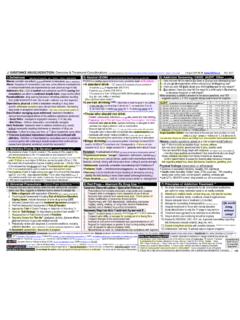
1 BUPRENORPHINE/NALOXONE SUBOXONE GUIDE DOSAGE FORMS DOSING: INDUCTION (methods for initiating someone) Generic: 2 , 8mg/2mg Brand: 2 , 8mg/ 2mg, 12mg/3mg, 16mg/4mg (need to order; not often stocked) Can be split/ crushed to ease dosing PMS: 2 8mg/2mg Take Home: SOWS (Subjective Opioid Withdrawal Scale) Need to ensure score > 17 (moderate-severe withdrawal) prior to initiation Patient can objectively determine when appropriate to start home induction of SUBOXONE appropriately as they can quantify their own symptoms and use this for continuous self-monitoring Limited by understanding/ health literacy of patient - risk of precipitated withdrawal if used too early (may deter patient from continuing use) Clinic Based: COWS (Clinical Opioid.)
2 Scale) Need to ensure score >12 (moderate withdrawal) prior to initiation Determined based on clinician judgement - may not fully reflect patient experience May require training/ practice by clinicians for more accurate assessment STARTING RX/ DOSE DOSING: MAINTENANCE The proper maintenance dose is one at which cravings and physical withdrawal are averted for at least 24 hours without causing sedation (typical doses range from 16-24 mg daily) If withdrawal symptoms are present before the next dose, consider a dose increase (usually by 2-4mg at a time) Max dose = 24 mg SUBOXONE has a ceiling effect at higher doses (at 16 mg, 97% of receptors are already saturated) Health Canada only approved 24 mg (max) but doses up to 32 mg have been used with effectiveness (worldwide)
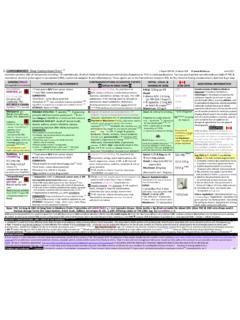
3 WITHDRAWAL management Clonidine Rationale: anticholinergic effects help manage withdrawal related sweats and chills Dosing: mg PO Q6-8H PRN (with dose adjusted based on symptoms) S/E: drowsiness, dizziness, hypotension, dry mouth, constipation Analgesics (NSAIDs/Tylenol) Rationale: for myalgia/ fever/ aches Dosing: Ibuprofen: 200-400 mg PO Q4-6H PRN (max daily dose: 2400 mg) Acetaminophen: 500-1000 mg PO Q6-8H PRN (max daily dose: 4000 mg) S/E: GI upset with NSAIDs Oxybutynin Rationale: anticholinergic activity effective for hyperhidrosis management Dosing: mg PO once daily to TID PRN S/E: dizziness, drowsiness, dry mouth, constipation, urinary retention Hydroxyzine Rationale: antihistaminic activity for managing pruritis, anxiety, and helps with sleep Dosing: 25 mg PO TID-QID (for anxiolytic activity, higher doses of 50-100 mg PO QID may be required) S/E: sedation, dry mouth Dimenhydrinate Rationale.
4 Antihistaminic and anticholinergic effects for management of nausea, vomiting, diarrhea, itch Dosing: 50-100 mg PO Q4H PRN S/E: drowsiness, dizziness, dry mouth, potential increase in nervousness, caution potential for abuse Loperamide Rationale: anti-diarrheal effects for managing withdrawal related diarrhea Dosing: 4 mg (2 tabs) PO initially, then 2 mg (1 tab) PO after each loose bowel movement (max daily dose: 16 mg (8 tabs)) S/E: dizziness, abdominal cramps, nausea, constipation (if overuse) MISSED DOSES (From ACP ODT Guidelines) MECHANISM OF ACTION/ SAFETY PROFILE USE IN PREGNANCY & BREASTFEEDING Buprenorphine: Partial agonist at opioid receptor to limit euphoria/ side effects due to ceiling effect limits respiratory depression/ increasing safety when titrating High affinity for receptor ability to compete with other opioid agonists and displaces them and has long acting effect (24 hrs) so only require once daily dosing Naloxone.
5 Pure opioid receptor antagonist Rationale deterrent to prevent diversion as SL/PO intake has no activity (due to first pass metabolism) but if tampered to be injected, naloxone is bioavailable and will block other opioids, thereby causing withdrawal Use in pregnancy, no longer contraindicated Health Canada Monotherapy buprenorphine has more studies available to recommend use (unknown safety of naloxone in pregnancy). It is available via the Special Access Program. Compared to methadone, buprenorphine has less severe NOWS (Neonatal Opioid Withdrawal Symptoms) and potentially lower risk of preterm labour, larger head circumference, greater birthweight Use with caution in breastfeeding as buprenorphine and metabolite is found in breast milk and infant urine Potential for infant to experience opioid adverse effects if breastfed (monitor for drowsiness and difficulty breathing in infant)
6 USE IN pain management SIDE EFFECTS AND management Due to the long onset and duration of action of buprenorphine, NOT appropriate for acute pain management Only used for moderate-severe chronic pain (may require multiple daily doses vs once daily dose for ODT) when patient is stabilized Prefer to use non-opioid alternatives ( non-pharmacological; NSAIDs, acetaminophen, or combination of both; etc.) for acute pain management over traditional opioids when concurrently initiating SUBOXONE for chronic pain use (due to risk of inducing precipitated withdrawal associated with high affinity of buprenorphine displacing other opioids at opioid receptors) Headache (usually transient in 1st week) use analgesics (NSAIDs/ Tylenol see above) Constipation (may persist/need long-term treatment) routine bowel regimen (PEG 3350 17 g PO daily, sennakot - mg PO daily).
7 Maintaining adequate hydration/ fibre intake Nausea (usually occurs early on) dimenhydrinate prior to SUBOXONE dose and PRN in between doses; use ginger to alleviate sensation Dry mouth staying well hydrated (especially prior to dose); use of artificial saliva (ex. Biotene) Somnolence may require dose decrease if possible; question other drugs being used (Rx or street) Insomnia sleep hygiene; assess for untreated anxiety/ depression question if dose too low (causing withdrawal at night?) or if other drugs being used (stimulants?)
8 Dizziness (occurs more commonly at higher doses) staying hydrated to prevent hypotension (check BP), consider dose decrease if possible Sweating (may persist/need long-term treatment) pharmacologic management with clonidine, oxybutynin (see above) Note: At correct dose, SUBOXONE does not impair motor skills, mental capacity, or ability to operate cars/ machinery OVERDOSE management Relatively uncommon due to ceiling dose effect Risk increases with concurrent use of sedating drugs (ex. benzos, ETOH) Overdose management may require higher quantity/ dose of naloxone to be used than normal (due to high affinity of buprenorphine) DIVERSION Tampering with SL formulation for IV injection will induce opioid withdrawal (due to activation of naloxone) If sold to others and used inappropriately (swallowed instead of SL)
9 , buprenorphine undergoes first pass metabolism in liver and opioid effects are limited/ ineffective would be insufficient to induce euphoria If diverted, risks are lower compared to other opioids due to formulation MONITORING & FOLLOW UP COVERAGE & COST When/ Why to Allow Carries: May consider daily dispense upon induction if concerns of diversion But carries may quickly be provided once reach stabilized dose and patient able to demonstrate adherence/ lack of concerns on diversion/ stable living environment (considering safety profile) Take home inductions can be provided as long as follow up can be ensured Carries may increase adherence (compared to daily witness), reduce stigma, improve outcomes, and enable more normal life ( jobs)
10 Patients may benefit from going to dose at pharmacy a few times per week (gets them out, gives them a purpose, increasing social interactions) Dispensing: witness 2x per week, carry rest - ensures monitoring May authorize additional carries depending on UDT results, progress, relationship with practitioners, level of trust etc. On induction: follow up for withdrawal symptoms ideally within same day to determine if sufficient dose provided During titration: follow up daily or every 2-3 days to determine effectiveness/ for craving control/ adverse effects