Transcription of A GUIDE TO THE MANAGEMENT OF CONSTIPATION AND …
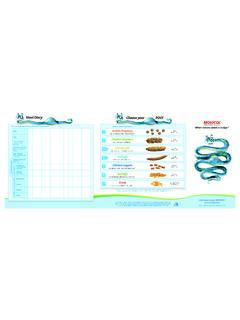
1 BOWEL CARE FOR THE OLDER PATIENT AUSTRALIAA GUIDE TO THE MANAGEMENT OF CONSTIPATION AND FAECAL IMPACTION IN THE OLDER PERSON 2 IMPACT - Bowel Care for the Older Patient 2010 BOWEL CARE FOR THE OLDER PATIENT AUSTRALIAA GUIDE TO THE MANAGEMENT OF CONSTIPATION AND FAECAL IMPACTION IN THE OLDER PERSONINTRODUCTION 3 SECTION 1 Defi nitions, prevalence and causes 6 SECTION 2 MANAGEMENT pathways 14 SECTION 3 Assessment 17 SECTION 4 MANAGEMENT : non-pharmacological interventions 25 SECTION 5 MANAGEMENT : pharmacological interventions 37 SECTION 6 Communication and consent 51 SECTION 7 Additional resources 57 CONSTIPATION ASSESSMENT FORM 60 BOWEL HEALTH ASSESSMENT FORM 66 BOWEL RECORD CHART 70IS IT CONSTIPATION ? 74 THE FOUR Fs AND OTHER SECRETS OF A HEALTHY BOWEL 80 FIGHT CONSTIPATION WITH THE FOUR Fs 86 CONTENTSBOWEL CARE FOR THE OLDER PATIENT AUSTRALIA3 IMPACT - Bowel Care for the Older Patient 20104 IMPACT - Bowel Care for the Older Patient 2010 BOWEL CARE FOR THE OLDER PATIENT AUSTRALIAA GUIDE to the MANAGEMENT of CONSTIPATION and Faecal Impaction in the Older PersonINTRODUCTIONB ackgroundConstipation, faecal impaction and faecal incontinence are particularly prevalent in the older 3 Up to 38% of people aged over 74 years who are living at home and up to 81% of people in hospital in the older age group suffer from However, despite the fact that CONSTIPATION is a common problem for older people, there is a lack of clear advice uniformly agreed upon for the MANAGEMENT of CONSTIPATION and impaction in this patient developmentWith these needs in mind.
2 A team of health professionals assembled to develop guidelines for the MANAGEMENT of CONSTIPATION and impaction in older patients (those aged 60 years and over).The IMPACT Scientifi c Faculty has developed a comprehensive set of guidelines and assessment tools to help health professionals and carers to identify, assess and treat CONSTIPATION in older people, whether they are in the community, in hospital or in a residential care De Lillo AR and Rose S. Functional bowel disorders in the geriatric patient: CONSTIPATION , fecal impaction and fecal incontinence. Am J Gastroenterol 2000; 95(4): 901 5. 2. Kinnunen O. Study of CONSTIPATION in a geriatric hospital, day hospital, old people s home and at home. Aging (Milano) 1991; 3(2):161 McCrea GL et al. Pathophysiology of CONSTIPATION in the older adult. World J Gastroenterol 2008; 14(17): 2631 8. The IMPACT Guidelines were developed with the assistance of an unrestricted educational grant from Norgine Pty Ltd, 3/14 Rodborough Road, Frenchs Forest NSW 2086.
3 IMPACT Scientific Faculty MembersVICP rofessor Peter Gibson (Chair)Gastroenterologist, Box Hill Hospital, MelbourneNSWDr Rod BeckwithGP with expertise in servicing aged care facilities, WyomingAssociate Professor Pauline ChiarelliProgram Convener of the Bachelor of Physiotherapy Program, University of Newcastle, NewcastleDr Michael JohnstonPart-time GP and Medical Editor for Broadcast GP, North SydneyMs Bernadette GrattanContinence Advisor/Clinical Nurse Consultant, Armidale Community Health Centre, ArmidaleBOWEL CARE FOR THE OLDER PATIENT AUSTRALIA5 IMPACT - Bowel Care for the Older Patient 20106 IMPACT - Bowel Care for the Older Patient 2010 BOWEL CARE FOR THE OLDER PATIENT AUSTRALIAIMPACT Scientific Faculty MembersQLDMs Erin DunnPharmacist with interest in medication MANAGEMENT of the elderly, The Prince Charles Hospital, BrisbaneDr Jeffrey RowlandGeriatrician and general physician, The Prince Charles Hospital.
4 Brisbane Ms Rebecca SmithClinical Dietitian, The Prince Charles Hospital, BrisbaneSAMs Leigh PrettyClinical Nurse Consultant/Practice Manager, Urology and Continence Unit, Repatriation General Hospital, AdelaideACTDr Seeva SivakumaranSenior Staff Specialist, Aged Care and Rehabilitation Service, The Canberra Hospital, WodenIntroductionConstipation is a common problem, even in otherwise healthy people in the general it affects children and adults of all ages, CONSTIPATION , faecal impaction and faecal incontinence are particularly prevalent in the older However, CONSTIPATION is not a natural part of ageing so no one needs to put up with the discomfort of CONSTIPATION when there are many treatment options ,5 CONSTIPATION , faecal impaction and faecal incontinence are conditions which may result from other signifi cant medical Medical review of new, persisting or progressive CONSTIPATION is recommended.
5 CONSTIPATIONA cute constipationDefinitionAcute CONSTIPATION is usually considered to have similar symptoms to that of chronic CONSTIPATION ; however, it has been present for less than three CONSTIPATION DefinitionAs opposed to acute CONSTIPATION (which lasts less than three months), chronic CONSTIPATION is defi ned as the presence of symptoms for at least three for the presence of at least one of the following symptoms in the preceding 12 weeks: less than three bowel movements weekly hard or lumpy stools straining on defaecation sensations of incomplete evacuation need for manual manoeuvre to pass signs associated with constipationHealth professionals often regard normal frequency of defaecation to be three times a day to three times a However, given that there is a wide variation in what is normal , a more useful GUIDE for the individual would include the notion that the defaecation is less than your usual frequency.
6 In any case, as the defi nition above indicates, CONSTIPATION is not just about the frequency of defaecation but also about consistency, level of straining and feelings of incomplete As well as the above defi nition, there are certain clinical signs that may accompany CONSTIPATION , including:9,10 pain (such as abdominal or back pain), urinary tract obstruction, fever, delirium and confusion, which may be caused by CONSTIPATION diarrhoea, which may be due to overfl ow incontinence as a result of faecal impaction bloating and fl atulence, which often accompany CONSTIPATION and , PREVALENCE AND CAUSESSECTION 1 BOWEL CARE FOR THE OLDER PATIENT AUSTRALIA7 IMPACT - Bowel Care for the Older Patient 20108 IMPACT - Bowel Care for the Older Patient 2010 BOWEL CARE FOR THE OLDER PATIENT AUSTRALIAP revalence Prevalence rates are complicated by the varying defi nitions of CONSTIPATION that are available.
7 Another contributing factor is that many studies rely on patient self-report, and many older people who have CONSTIPATION would not consider themselves to be a result of these complications, CONSTIPATION rates in Europe range from to 81% in the general In the Australian region, the average rate of CONSTIPATION in the general population has been estimated at 15%.1 However, for older people, a realistic prevalence rate for CONSTIPATION is more likely to be as follows:Type of residence Prevalence of constipationHospital ~ 80%Residential nursing home ~ 60%Day hospital ~ 30%Living at home (age >74 years) ~ 38%Living at home (41 50 years) up to 20%Adapted from Kinnunen, impactionDefinition Impaction is a state in which the person becomes so severely constipated that they are unlikely to be able to pass faeces of their own accord. It is usually, but not necessarily, associated with hardened stools and patient discomfort.
8 Symptoms associated with faecal impactionFaecal impaction is a complication of chronic CONSTIPATION and is a major cause of faecal ,11 Symptoms associated with impaction include:3 faecal incontinence rectal discomfort loss of appetite nausea vomiting abdominal pain and distension urinary frequency urinary overfl ow 30% of older people in institutional care suffer from faecal impaction. It is particularly common in people with dementia and those who have problems with incontinenceDefinitionFaecal incontinence refers to the uncontrolled passage of faecal Symptoms of clinical importance Faecal incontinence may occur due to overfl ow as a result of faecal impaction further up the bowel, so always consider CONSTIPATION when a person experiences faecal incontinence. Faecal incontinence as a result of impaction is unlikely to present as a single episode.
9 A single episode or limited period of faecal incontinence may be due to acute gastroenteritis or illness elsewhere in the patient, such as delirium, which affects bowel control, rather than CONSTIPATION . Leakage with fl atulence is commonly seen in people with impaction. Faecal incontinence can also occur from poor muscle control (anal sphincter damage).PrevalenceIt is estimated that more than a million people in the Australian community have some degree of faecal incontinence, and the risk increases with age a person aged over 80 years is 7 8 times more likely to have faecal incontinence than someone who is under In nursing homes and institutions, faecal incontinence occurs in up to 46% of CARE FOR THE OLDER PATIENT AUSTRALIA9 IMPACT - Bowel Care for the Older Patient 201010 IMPACT - Bowel Care for the Older Patient 2010 BOWEL CARE FOR THE OLDER PATIENT AUSTRALIAThe process of defaecationRectal fi llingThe rectum distends, signalling the time to are held in the descending and sigmoid of the left colon results in peristaltic waves.
10 Which move the faeces down into the receptors in the rectum and surrounding pelvic fl oor muscles signal the presence of faeces in the rectal fi lling results in an increasing urge to defaecate (the defaecation threshold volume).Possible problemsIf pelvic muscles are over-stretched, the person may have a decreased sensation of the need to defaecate and miss their chance to empty the inhibitory refl ex (RAIR) and samplingThe internal anal sphincter (IAS) automatically relaxes, allowing the sensitive nerve endings in the anal canal to distinguish between solids, liquids and external anal sphincter (EAS) automatically contracts when the IAS relaxes to prevent involuntary leakage, unless defaecation is puborectalis muscle and external anal sphincter maintain anal closure until a person is ready to pass the problemsFaecal incontinence could result from abnormal functioning of anorectal sensation, abnormal refl ex mechanisms or problems with the actions of the IAS or not to emptyThe brain suppresses the signals from the anorectum, leaving the faeces IAS returns to its normal resting state, the faeces move back into the rectum, and the rectum relaxes to accommodate the faeces.