Transcription of EMOTION REGULATION HANDOUT 20A Nightmare Protocol, …
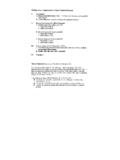
1 258 From DBT Skills Training Handouts and Worksheets, Second Edition by Marsha M. Linehan. Copyright 2015 by Marsha M. Linehan. Permission to photocopy this HANDOUT is granted to purchasers of this book for personal use only (see copyright page for details). EMOTION REGULATION HANDOUT 20A ( EMOTION REGULATION Worksheet 14a) Nightmare Protocol, step by StepWhen Nightmares Keep You from Sleeping1. Practice relaxation, pleasant imagery, and coping skills first, to be sure you are ready to work on changing your progressive relaxation, paced breathing, and/or Wise Mind exercises; listen to music or guided imagery; review the distress tolerance crisis survival Choose a recurring Nightmare you would like to work will be your target Nightmare . Select a Nightmare you can manage now. Put off trauma nightmares until you are ready to work with them or, if you target a trauma Nightmare , skip step Write down your target sensory descriptions (sights, smells, sounds, tastes, etc.)
2 Also include any thoughts, feelings, and assumptions about yourself during the Choose a changed outcome for the change should occur BEFORE anything traumatic or bad happens to you or others in the Nightmare . Essentially, you want to come up with a change that will prevent the bad outcome of the usual Nightmare from occurring. Write an ending that will give you a sense of peace when you wake : Changes in the Nightmare can be very unusual and out of the ordinary ( , you might become a person with superhuman powers who is able to escape to safety or fight off attackers). Changed outcomes can include changed thoughts, feelings, or assumptions about Write down the full Nightmare with the REHEARSE and RELAX each night before going to the changed Nightmare by visualizing the entire dream with the changes each night, before practicing relaxation REHEARSE and RELAX during the the entire dream with the change, and practice relaxation as often as possible during the day.