Transcription of Fire safety checklist for your workplace - FarmWeb
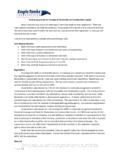
1 THE UK s NATIONAL fire safety ORGANISATIONP rotecting people, property, business and the environmentFire safety checklist for your workplaceThis checklist will help employers and managers review their fire safety awareness and take any remedial action necessary. It will also provide a useful prompt when fire risk assessments of their workplace are being undertaken. Answers to the simple questions outlined in the checklist will give an indication of the standard of fire safety present. Should the answer to any of questions be NO then improvements may be needed. Are all exit doors readily openable from the inside during working hours? Are escape routes clearly marked with exit signs incorporating the running man symbol? Are fire Action notices clearly displayed throughout the workplace ? Has a safe assembly point for employees, outside the building, been identified? Do employees know what to do on discovering a fire or when the fire alarm sounds? Are all employees instructed in fire procedures on their first day at work?
2 Have fire Wardens been appointed and trained in their duties? Escaping from a fireYES NOIs there an automatic fire detection and alarm system? Is the fire alarm tested weekly and maintained on a regular basis? Is there a procedure for contacting the fire brigade: - during the working day? - when the premises are closed? Is the fire alarm system connected to a monitoring centre which contacts the fire brigade? Is the fire alarm system, and all its components, continuously monitored? fire detection and alarm systemsYES NOHas suitable fire -fighting equipment been provided throughout the workplace ? Have employees been instructed on its correct use and operation? Are all fire extinguishers, hose-reels, and automatic sprinkler systems etc regularly inspected and tested by competent persons? Are regular checks undertaken to make sure equipment is not missing or damaged? fire protection equipmentYES NOWhy is a fire safety checklist so important?
3 Well managed and carefully maintained workplaces have fewer fire risks. If a fire does occur in a well organised workplace it should be controlled more easily and the dangers to staff, together with the threat of business interruption, significantly reduced. %oes everybody keep their personal workplace tidy Is the workplace kept clear of combustible waste and rubbish Is waste put in a safe, secure place awaiting collection ie not accessible to the public Is the burning of rubbish on the site prohibited In production areas, are benches, gratings, conveyor belts and similar places regularly kept clear of dust and rubbish Likewise, are pipes, ducts, beams, trusses and electrical fittings kept clean Preventing the fire : Cleanliness and tidinessYES NOAre storage areas separated from the rest of the building by fire resisting walls and doors Is access to storage areas restricted to those who really need to be there Are storage areas inspected for fire ha[ards at the end of the working day Are there clear spaces around shelving and stacks of stored materials, and are adequate gangways provided between them Are stacks and shelves arranged so that sprinkler heads and fire detectors are not obstructed Are stacks and storage kept clear of light fittings and hot service pipes Are stacks and shelving stable and unlikely to collapse quickly should a fire start Are combustible materials stored in the right place and eYcessive quantities in process areas avoided Are any LPG cylinders stored safely.]
4 Ideally in an eYternal fenced compound at least metres from buildings or boundary fences Is the area used only to store cylinders Are empty cylinders treated in the same way but kept separate and marked Are warning notices, prohibiting smoking and naked lights, prominently displayed Are cylinders stored with their valves uppermost Preventing the fire : Storage areasYES NOPreventing the fire : Liquid petroleum gasYES NOAre all stocks of flammable liquids kept in purpose-built flammable liquid stores? Is the flammable liquid store kept clean and tidy? Are the quantities of flammable liquids used in the workplace kept to the minimum and, when not needed, returned to safe storage? Are flammable liquids kept away from all possible sources of ignition? Are suitable spark-reducing tools provided for use in places where there may be flammable vapours?Preventing the fire : Flammable liquidsYES NOAre there restrictions on the use of portable heaters?
5 Are any portable heaters which are necessary guarded and fixed to prevent them being knocked over? Are combustible materials and waste kept at a safe distance from appliances and flues? Is care taken to prevent materials being left on or near to heaters? Is smoking prohibited in all but designated areas? Are smoking policies strictly enforced? Where smoking is permitted, are suitable metal ashtrays or containers provided? Are ashtrays / containers emptied at least once a day, or more often if needed? Preventing the fire : Space heating and lightingYES NODoes all machinery and plant receive regular routine maintenance? Is the lubrication of moving parts adequate? Are motors and moving parts of machinery kept clean to prevent overheating? Are vents on motors kept free of blockages to ensure air-cooling and circulation? Are drip trays provided and cleaned on a regular basis? Are oil leaks and drips absorbed with mineral absorbents: not sawdust etc? Are cleaning materials provided so that spillages are quickly cleared from the workplace ?
6 Preventing the fire : SmokingYES NOPreventing the fire : Machinery and plantYES NOIs every point of entry to the site and buildings secure against intruders? At the end of the working day are all doors, windows and gates locked and secure? Are internal fire -resisting doors kept closed at all times when not in use? Are buildings regularly inspected for damage, graffiti or other signs of vandalism? Are the grounds surrounding buildings kept clear of combustible waste materials and vegetation? Are all outside contractors and visitors supervised while on site? Are permit to work and hot work permit procedures adopted on the site? Preventing the fire : Maintenance of buildingsYES NOIs it possible to store goods clear of the floor to prevent possible water damage? Are adequate drains provided, and are they kept clear of blockages by regular inspection and cleaning? Have contingency plans been drawn up to reduce business interruption should a fire occur? Are duplicate copies of contingency plans, records, back-up discs and documents kept safely in another building?
7 Should a fire occur: Damage controlYES NOFire Risk AssessmentFPA offer professional and comprehensive fire risk assessment and consulting services nationwidel fire risk assessmentl fire safety auditsl fire investigationsl fire safety consultingFor further information please call 01608 812500 or