Transcription of Safety Data Sheet Product No. 18241 BDMA ...
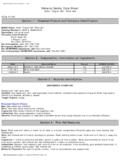
1 Safety data Sheet Product No. 18241 BDMA, Benzyldimethylamine Issue Date (07-05-15) Review Date (08-31-17) Section 1: Product and Company Identification Product Name: BDMA, Benzyldimethylamine Synonym: N,N-Dimethylbenzylamine Company Name Ted Pella, Inc., Box 492477, Redding, CA 96049-2477 Inside USA and Canada 1-800-237-3526 (Mon-Thu. 6:00AM to 4:30PM PST; Fri 6:00AM to 4:00PM PST) Outside USA and Canada 1-530-243-2200 (Mon-Thu.)
2 6:00AM to 4:30PM PST; Fri 6:00AM to 4:00PM PST) CHEMTREC USA and Canada Emergency Contact Number 1-800-424-9300 24 hours a day CHEMTREC Outside USA and Canada Emergency Contact Number +1-703-741-5970 24 hours a day Section 2: Hazard Identification Classification of the substance or mixture GHS Pictograms GHS02 GHS05 GHS07 GHS Categories GHS02 Flammable Flam. Liq. 3 H226: Flammable liquid and vapor. GHS05 Corrosion Skin Corr. 1B H314: Causes severe skin burns and eye damage. GHS07 - Irritant Acute Tox. 4 H302: Harmful if swallowed.
3 Acute Tox. 4 H312: Harmful in contact with skin. Acute Tox. 4 H332: Harmful if inhaled. Additional Aqua. Chron. 3 H412: Harmful to aquatic life with lasting effects. Label elements Hazard Pictograms GHS02 GHS05 GHS07 Signal Word: Danger Hazard-determining components of labeling: Benzyldimethylamine Hazard statements H226 Flammable liquid and vapor. H302+H312+H332 Harmful if swallowed, in contact with skin or if inhaled. H314 Causes severe skin burns and eye damage. H412 Harmful to aquatic life with long lasting effects.
4 Precautionary statements P210 Keep away from heat/sparks/open flames/hot surfaces. - No smoking. P303+P361+P353 IF ON SKIN (or hair): Remove/Take off immediately all contaminated clothing. Rinse skin with water/shower. P305+P351+P338 IF IN EYES: Rinse cautiously with water for several minutes. Remove contact lenses, if present and easy to do. Continue rinsing. P310 Immediately call a POISON CENTER/doctor. P405 Store locked up. P501 Dispose of contents/container in accordance with local/regional/national/international regulations.
5 Other hazards Health Effects: NFPA Hazard Rating: Health: 3; Fire: 2; Reactivity: 0 HMIS Hazard Rating: Health: 3; Fire: 2; Reactivity: 0 (0=least, 1=Slight, 2=Moderate, 3=High, 4=Extreme) Results of PBT and vPvB assessment: PBT: NA vPvB: NA Emergency overview Appearance: Light yellow liquid Immediate effects: Causes burns to eyes, skin. Potential health effects Primary Routes of entry: Ingestion, inhalation, eye and skin contact. Signs and Symptoms of Overexposure: Symptoms of poisoning may even occur after several hours; therefore medical observation for at least 48 hours after the accident.
6 Eyes: Causes severe eye damage. Skin: Causes severe skin burns. Ingestion: Harmful if swallowed. Inhalation: Harmful if inhaled. Chronic Exposure: ND Chemical Listed As Carcinogen Or Potential Carcinogen: No See Toxicological Information (Section11) Potential environmental effects See Ecological Information (Section 12) Section 3: Composition / Information on Ingredients Principle Hazardous Component(s) (chemical and common name(s)) (Cas. No) % OSHA PEL mg/m3 ACGIH TLV mg/m3 NTP IARC OSHA regulated Benzyldimethylamine (103-83-3) EC number: 203-149-1 Index number: 612-074-00-7 100 ND ND No No No Section 4: First Aid Measures If accidental overexposure is suspected Immediately remove any clothing soiled by the Product .
7 Symptoms of poisoning may even occur after several hours; therefore medical observation for at least 48 hours after the accident. Eye(s) Contact Rinse opened eye for several minutes under running water. Then consult a doctor. Skin Contact Immediately wash with water and soap and rinse thoroughly. Inhalation Supply fresh air. If required, provide artificial respiration. Keep patient warm. Consult doctor if symptoms persist. In case of unconsciousness place patient stably in side position for transportation. Ingestion Immediately call a doctor.
8 Drink copious amounts of water and provide fresh air. Immediately call a doctor. Note to physician Treatment: No further relevant information available. Medical Conditions generally Aggravated by Exposure: ND Section 5: Fire Fighting Measures Flash Point: 54 C (129 F) Flammable Limits: ND Auto-ignition point: ND Fire Extinguishing Media: CO2, sand, extinguishing powder. Do not use water. Special Fire Fighting Procedures: Mouth respiratory protective device. For Safety reasons unsuitable extinguishing agents: Water with full jet. Unusual Fire and Explosion Hazards: No further relevant information available Hazardous combustion products: Oxides of carbon and nitrogen.
9 DOT Class: Corrosive, Flammable. Section 6: Accidental Release Measures Steps to be Taken in Case Material is Released or Spilled: Personal precautions, protective equipment, and emergency procedures: Wear protective equipment. Keep unprotected persons away. Environmental precautions: Inform respective authorities in case of seepage into water course or sewage system. Do not allow to enter sewers/ surface or ground water. Methods and material for containment and cleaning up: Absorb with liquid-binding material (sand, diatomite, acid binders, universal binders, sawdust).
10 Use neutralizing agent. Dispose contaminated material as waste according to item 13. Ensure adequate ventilation. Do not flush with water or aqueous cleansing agents Waste Disposal Methods: Dispose of waste according to Federal, State and Local Regulations. Section 7: Handling and Storage Precautions to be taken in Handling and Storage: Handling: Ensure good ventilation/exhaustion at the workplace. Wear gloves and Safety goggles. Prevent formation of aerosols. Keep ignition sources away - Do not smoke. Protect against electrostatic charges.