Transcription of AN OVERVIEW OF OSHA’S LOCKOUT/TAGOUT …
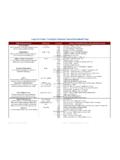
1 AN OVERVIEW OF osha S LOCKOUT/TAGOUT STANDARD 29 CFR Energy Control Procedure: 29 CFR (c)(4) Outline the scope, purpose, authorization, rules and techniques to be utilized for the control of hazardous energy and the means to enforce compliance including at least the following: Specific statement of intended use of the procedure. Specific procedural steps for shutting down, isolating, blocking and securing equipment to control hazardous energy. Specific procedural steps for the placement, removal and transfer of lockout or tagout devices. Specific requirements for testing equipment to verify the effectiveness of the energy control measures. Energy Control Program Core Components: Energy Control Procedures Training Requirements Periodic Inspections Training Requirements: 29 CFR (c)(7) Authorized employees train to recognize applicable hazardous energy sources, the type and magnitude of energy in the workplace, and how to apply energy isolation and control to equipment.
2 Affected employees train on the purpose and use of the energy control procedure. All other employees who may be in an area where energy control procedures may be utilized train about the procedure, and not to attempt to restart or reenergize machines that are locked out or tagged out. **When a tagout system is used, additional training on the limitations of tags is required. The additional training requirements can be found in 29 CFR (c)(7)(ii). **Retraining is required if there is a change in job assignments, change in machines, equipment or processes that create a new hazard, or change in energy control procedure; if a periodic inspection indicates inadequacies or deviations that require additional training; and/or if the employer believes there are inadequacies or deviations that require additional training. **Document the training! Periodic Inspections: 29 CFR (c)(6) Completed annually on each energy control procedure. An authorized employee observes a separate authorized employee or group of employees utilizing the energy control procedure.
3 Correct any deviations or inadequacies identified during the inspections. The inspector and each authorized employee review the employees responsibilities under the energy control procedure being inspected (if lockout is used for energy control). Document the equipment being inspected, the date of the inspection, employees included in the inspection and the person performing the inspection. **If tagout is used for energy control, the review should include the inspector, each authorized employee and the affected employee. The employees responsibilities under the energy control procedure being inspected and the elements in 29 CFR (c)(7)(ii) must be reviewed. Additional LOCKOUT/TAGOUT Requirements lockout or tagout System: 29 CFR (c)(2) tagout can be utilized if an energy isolating device is not capable of being locked out. tagout can be utilized on equipment that is capable of being locked out if the employer can demonstrate the tagout system will provide full employee protection defined in 29 CFR (c)(3).
4 If used, additional tagout provisions must be followed and are set throughout the standard including, but not limited to, additional training. New equipment or equipment that undergoes a major repair, renovation or modification (after January 2, 1990) must be equipped with energy isolating devices capable of being locked out. Protective hardware and materials: Employers must provide and employees must utilize protective materials and hardware for lockout and tagout . 29 CFR (c)(5) Used to isolate, secure or block equipment from energy sources. lockout and tagout devices must be specific to lockout and not used for any other purposes and must be standardized within the facility by color, shape or size. The print and format must be standardized on tagout devices. lockout and tagout devices must be substantial and identifiable (indicate the identity of the employee applying the device). lockout or tagout procedure elements and sequence: 29 CFR (d) Preparation for shutdown Machine or equipment shutdown Machine or equipment isolation lockout or tagout device application Stored energy Verification of Isolation Release from lockout or tagout procedures: 29 CFR (e) Work area/equipment inspection Positioning of employees lockout or tagout removal (removed by authorized employee who applied it) **As part of the energy control program, specific procedures and training must be developed, documented and implemented for situations where the authorized employee is not available to remove the lock or tag.
5 Testing or positioning: Follow the steps in 29 CFR (f)(1) when temporarily removing lockout or tagout devices to test or position equipment. Outside personnel (contractors, etc.): When outside personnel perform servicing or maintenance at a facility, the on-site and off-site employers must inform each other of their lockout or tagout procedures and on-site employees must comply with the outside employer s program. 29 CFR (f)(2) Group lockout or tagout procedures must be developed and utilized when more than one employee is performing servicing or maintenance on equipment. 29 CFR (f)(3) A primary authorized employee has responsibility. Each employee applies a personal lockout or tagout device to the group lockout device, box or other mechanism. When each authorized employee is finished working on the equipment or machine, they remove their OWN lockout or tagout device. Shift or personnel changes: Specific procedures must be developed and utilized for the orderly transfer of lockout or tagout devices during shift or personnel changes to prevent the unexpected energization or start-up of the equipment or release of stored energy.
6 29 CFR (f)(4) Resources: osha s Control of Hazardous Energy ( LOCKOUT/TAGOUT ) Standard: 29 CFR osha s LOCKOUT/TAGOUT eTool: osha s LOCKOUT/TAGOUT Fact Sheet: osha s Control of Hazardous Energy ( LOCKOUT/TAGOUT ) Safety and Health Topics Page.