Transcription of SPECIALTY EXAM: NEUROLOGY HIC# DATE OF …
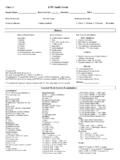
1 SPECIALTY EXAM: NEUROLOGYP erformed and DocumentedLevel of ExamOne to five bulletsSix to eleven bulletsTwelve or more bulletsAt least one bullet in the box with the unshaded borderAND every bullet in each box with the shaded FocusedExpanded Problem FocusedDetailedComprehensive(Circle the bullets that are documented.)zSystem/BodyAreaElements of Examination1aHIC#DATE OF SERVICE(Enter the number of circled bullets in the boxes below. Then circle the appropriate level of care.)Answer the following two questions. If bothanswers are "yes," the appropriate level ofexam is at least one bullet documented in theunshaded box?
2 YesNoWas each bullet in each shaded boxdocumented?YesNo EXAMOne to FiveBulletsSix to ElevenBulletsTwelve ormore BulletsProblem FocusedExpanded ProblemFocusedDetailedComprehensive1bRef er to data section (table below) in order to quantify. After reviewing the medical record documentation, identifythe level of examination. Circle the level of examination with the appropriate grid in Section 5 (Page 3).CardiovascularExamination of carotid arteries ( , pulse amplitude, bruits)Auscultation of heart with notation of abnormal sounds and murmursExamination of peripheral vascular system by observation ( , swelling,varicosities) and palpation ( , pulses, temperature, edema, tenderness)zzConstitutionalMeasurement of any three of the following seven vital signs.
3 1) sitting orstanding blood pressure, 2) supine blood pressure, 3) pulse rate andregularity, 4) respiration, 5) temperature, 6) height, 7) weight (May bemeasured and recorded by ancillary staff)General appearance of patient ( , development, nutrition, body habitus,deformities, attention to grooming)zzEyesOphthalmoscopic examination of optic discs ( , size, C/D ratio,appearance) and posterior segments ( , vessel changes, exudates,hemorrhages)zMusculoskeletal(In cludes Extremities)Examination of gait and stationMuscle strength in upper and lower extremitiesMuscle tone in upper and lower extremities ( , flaccid, cog wheel, spastic)with notation of any atrophy or abnormal movements ( , fasciculation,tardive dyskinesia)10221 11/97zzzNeurologicalEvaluation of higher integrative functions including:Orientation to time, place and personRecent and remote memoryAttention span and concentrationLanguage ( , naming objects, repeating phrases, spontaneous speech)Fund of knowledge ( , awareness of current events, past history, vocabulary)Test the following cranial nerves.
4 2nd cranial nerve ( , visual acuity, visual fields, fundi)3rd, 4th, and 6th cranial nerves ( , pupils, eye movements)5th cranial nerve ( , facial sensation, corneal reflexes)7th cranial nerve ( , facial symmetry, strength)8th cranial nerve ( , hearing with tuning fork, whispered voice and/or finger rub)9th cranial nerve ( , spontaneous or reflex palate movement)11th cranial nerve ( , shoulder shrug strength)12th cranial nerve ( , tongue protrusion)Examination of sensation ( , by touch pin, vibration, proprioception)Examination of deep tendon reflexes in upper and lower extremities with notationof pathological reflexes ( , Babinski)Test coordination ( , finger/nose, heel/knee/shin, rapid alternating movementsin the upper and lower extremities, evaluation of fine motor coordination in youngchildren)Note:The Head/Face; Ears, Nose, Mouth and Throat; Neck; Respiratory; Chest (Breasts); GI (Abdomen); GU; Lymphatic; Skin.
5 And Psychiatric systems/body areas are not integral parts of this Neurological AreaElements of ExaminationAssessment of motor function including:zNOTE:For the descriptions of the elements of examination containing the words "and", "and/or", only one (1) of thoseelements must be documented.