Transcription of Pollinator Plant Guide - Toronto Zoo
1 Pollinator Plant Guide Planting flowers is one of the best ways to help our native pollinators. Not only does it help restore declining populations, but it keeps your home looking beautiful! Anyone can Plant Pollinator flowers, whether it is in a pot on your balcony, or in garden bed in your backyard. Creating a large Pollinator landscape will attract all sorts beneficial insects that will help keep your blooms showy year after year! Important tips for Pollinator planting: Ensure the flowers you Plant are non-invasive in your region; native species are best .
2 Introducing invasive species to an area can have disastrous effects, like dominating the landscape by competing with native plants , or transmitting diseases that native plants or animals are not equipped to deal with. Avoid hybrids. Many hybrid versions of wildflowers, such as the double-flowered types, are bred to eliminate nectar and pollen to display more showy flowers this does not provide any sort of nourishment for pollinators. Plant a wide variety of early, mid, and late season bloomers in large clumps, so they can easily be seen by pollinators.
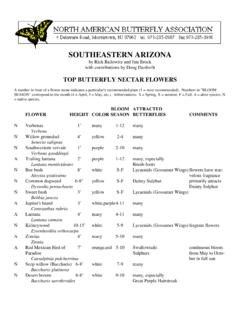
3 Eliminate the use of pesticides in your garden; even some organic-approved pesticides can still be harmful to pollinators. Provide larval host plants for butterflies to encourage them to lay eggs in your garden. Then you can watch the caterpillars grow and develop into more butterflies! Use the Guide below to find out which native Ontario plants are best for your Pollinator garden. Wild Columbine Blanket Flower Blazing Star Purple Coneflower Goldenrod Illustrations by Ashley Harricharan Native Ontario Pollinator plants Name Bloom Period Sunlight Moisture Level Flower Color Height Black-eyed Susan Aug - Oct Full Sun Dry - Moist Yellow 2 3 ft.
4 Blanket Flower July Aug Full Sun Dry Red/Yellow 1-2 ft. Butterfly Weed July - Aug Full Sun Dry - Moist Red/Orange 2 3 ft. Canada Goldenrod Aug - Oct Full Sun Dry Yellow 4 5 ft. Joe Pye Weed June - Sept Full Part Sun Wet - Moist Pink 3 7 ft. New England Aster June - Sept Full Part Sun Moist Pink/Purple 1 3 ft. Lance-leaved Coreopsis Aug - Sept Full Part Sun Dry Yellow 1 2 ft. Purple Coneflower April - July Full Part Sun Moist Purple 2 4 ft. Spiked Blazing Star June - Aug Full Sun Dry Pink/Purple 2 3 ft.
5 Swamp Milkweed May - Sept Full Part Sun Wet - Moist Pink 3 4 ft. Wild Bergamot May - Aug Full Part Sun Dry - Moist Pink/Purple 1 3 ft. Wild Columbine June - Sept Full Part Sun Moist Red/Pink 1 3 ft. Blueberry May - June Full Sun Dry - Moist White/Pink 2 4 ft. Chokecherry May - June Full Moist White 20 30 ft. Common Elderberry July - Aug Full Part Sun Moist White 4 12 ft. New Jersey Tea March - April Part Shade Dry - Moist White 2 3 ft. Raspberry Jun - Sept Full - Part Sun Dry - Moist White/Pink 1 3 ft.
6 Serviceberry April - May Full Sun Shade Dry - Moist White 10 30 ft. Where to buy: Many native plants and seeds can be purchased at your local nursery or garden retailer. Seeds can also be ordered online from dedicated native nurseries all over Ontario. Be sure to check in your newspaper or online for community seed exchanges or sales. Please do not take any flowers, seeds, or branches from the wild. Thank You for Helping the Pollinators Happy Planting!