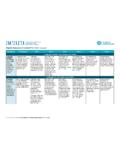
Transcription of Intercultural Understanding learning continuum - …
1 Intercultural Understanding learning continuum Sub-elementLevel 1 Typically, by the end of Foundation Year, students:Level 2 Typically, by the end of Year 2, students:Level 3 Typically, by the end of Year 4, students:Level 4 Typically, by the end of Year 6, students:Level 5 Typically, by the end of Year 8, students:Level 6 Typically, by the end of Year 10, students:Recognising culture and developing respect elementInvestigate culture and cultural identity share ideas about self and belonging with peersidentify and describe the various groups to which they belong and the ways people act and communicate within themidentify and describe variability within and across cultural groups identify and describe the roles that culture and language play in shaping group and national identities explain ways that cultural groups and identities change over time and in different contexts analyse how membership of local, regional, national and international groups shapes identities including their ownExplore and compare cultural knowledge, beliefs and practicesidentify, explore and compare culturally diverse activities and objects describe and compare the way they live with people in other places or times describe and compare a range of cultural stories.
2 Events and artefacts describe and compare the knowledge, beliefs and practices of various cultural groups in relation to a specific time, event or custom analyse the dynamic nature of cultural knowledge, beliefs and practices in a range of personal, social and historical contextscritically analyse the complex and dynamic nature of knowledge, beliefs and practices in a wide range of contexts over timeDevelop respect for cultural diversitydiscuss ideas about cultural diversity in local contexts describe ways that diversity presents opportunities for new experiences and understandingsidentify and discuss the significance of a range of cultural events, artefacts or stories recognised in the school, community or nation discuss opportunities that cultural diversity offers within Australia and the Asia-Pacific region understand the importance of maintaining and celebrating cultural traditions for the development of personal, group and national identities understand the importance of mutual respect in promoting cultural exchange and collaboration in an interconnected world Interacting and empathising with others elementCommunicate across cultures recognise that people use different languages to communicate describe how the use of words and body language in interactions may have different meanings for various cultural groups recognise there are similarities and differences in the ways people communicate.
3 Both within and across cultural groups identify factors that contribute to Understanding in Intercultural communication and discuss some strategies to avoid misunderstanding explore ways that culture shapes the use of language in a wide range of contexts analyse the complex relationship between language, thought and context to understand and enhance communication Consider and develop multiple perspectives express their opinions and listen to the opinions of others in given situations express their own perspectives on familiar topics and texts, and identify the perspectives of others identify and describe shared perspectives within and across various cultural groups explain perspectives that differ to expand their Understanding of an issue assess diverse perspectives and the assumptions on which they are based present a balanced view on issues where conflicting views cannot easily be resolved Empathise with othersimagine and describe their own feelings if they were put in someone else s place imagine and describe the feelings of others in familiar situations imagine and describe the feelings of others in a range of contexts imagine and describe the situations of others in local, national and global contexts imagine and describe the feelings and motivations of people in challenging situationsrecognise the effect that empathising with others has on their own feelings.
4 Motivations and actions Intercultural Understanding learning continuum Sub-elementLevel 1 Typically, by the end of Foundation Year, students:Level 2 Typically, by the end of Year 2, students:Level 3 Typically, by the end of Year 4, students:Level 4 Typically, by the end of Year 6, students:Level 5 Typically, by the end of Year 8, students:Level 6 Typically, by the end of Year 10, students:Reflecting on Intercultural experiences and taking responsibility elementReflect on Intercultural experiencesidentify and describe memorable Intercultural experiences identify and describe what they have learnt about others from Intercultural encounters and culturally diverse texts identify and describe what they have learnt about themselves and others from real, virtual and vicarious Intercultural experiencesexplain what and how they have learnt from a wide range of Intercultural interactions and experiences reflect critically on the representation of various cultural groups in texts and the media and how they respond reflect critically on the effect of Intercultural experiences on their own attitudes and beliefs and those of others Challenge stereotypes and prejudicesidentify examples of the acceptance and inclusion of others in given situations discuss the effects of acceptance and inclusion in familiar situations explain the dangers of making generalisations about individuals and groups explain the impact of stereotypes and prejudices on individuals and groups within Australia identify and challenge stereotypes and prejudices in the representation of group.
5 National and regional identitiescritique the use of stereotypes and prejudices in texts and issues concerning specific cultural groups at national, regional and global levelsMediate cultural difference identify similarities and differences between themselves and their peersrecognise that cultural differences may affect Understanding between peopleidentify ways of reaching Understanding between culturally diverse groupsdiscuss ways of reconciling differing cultural values and perspectives in addressing common concerns identify and address challenging issues in ways that respect cultural diversity and the right of all to be heardrecognise the challenges and benefits of living and working in a culturally diverse society and the role that cultural mediation plays in learning to live together