Transcription of THE SCIENCE OF ADDICTION - Foundations …
1 Atlanta | Santa Monica | Memphis | MalibuNashville | Palm Springs | San | (866) SCIENCE OF ADDICTIONNew Research Has Led to Improved ADDICTION Treatment MethodsScientific studies have shown us that biological, genetic and environmental factors contribute to ADDICTION . Based on that knowledge, we are always working to find new and improved methods for both the prevention and the treatment of ADDICTION . To better understand the concept of ADDICTION as a disease, we can consider its main characteristics. A disease affects the correct functioning of an organ (in this case, the brain ), has negative consequences, can be prevented and can be treated.
2 We know that complications like trauma, mental illness, family conflict and stress can all impact the development of ADDICTION as well as recovery. Understanding each patient s situation enables us to treat the core issues of his or her ADDICTION , and we can help prevent relapse before it and the Human BrainEvery activity, body function, behavior, thought and emotion a person has is regulated and orchestrated by the brain . ADDICTION alters the function of specific parts of the brain , creating disorder in its routine operations. The main areas affected are the cerebral cortex (information processing and thinking ability), the brain stem (basic functions of the body) and the limbic system (pleasure receptor and perception of emotions).
3 Foundations Recovery Network s approach to ADDICTION treatment includes psychoeducational therapy to help patients learn more about the SCIENCE of ADDICTION , including topics such as causes, effects, consequences and treatment. A broader perspective of how compulsions affect both one s brain and behavior contributes to prevention and years, ADDICTION was considered a moral and behavioral problem. Now we know that ADDICTION is a disease with biological we know how ADDICTION affects the brain , we can find better ways to treat | (866) Simulated and Harmful Sense of RewardSubstances like drugs and alcohol contain chemicals that modify the normal brain structure and function by altering the communication networks that regulate how we send, receive and process information.
4 Drugs like heroin, for example, have chemical structures that pass as fake neurotransmitters natural chemicals that act as messengers in the brain and activate nerve cells in a disruptive way, leading to abnormal brain functioning. The target of these addictive substances is the brain s reward system, or pleasure receptors. The chemicals overstimulate the reward system by allowing the release of high quantities of dopamine the neurotransmitter that controls enjoyable feelings. The brain associates high levels of pleasure with life-sustaining activities, such as eating and sleeping, and it stores these patterns as something to be remembered and repeated.
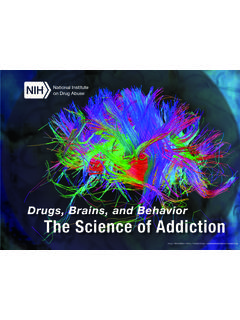
5 The way substances stimulate the pleasure circuit of the brain teaches the user that this behavior must be repeated even when it brings a series of negative consequences for that person. The brain begins to categorize drugs and alcohol as necessities required for survival, and willpower alone cannot undo this subconscious designation. Without proper treatment, ADDICTION will devastate a person s imaging SCIENCE helps us understand how ADDICTION affects the brain and leads to the development of new approaches to ADDICTION treatment and Is TreatableA person who continues to engage in an addictive behavior over a period of time might develop a tolerance to that substance.
6 This means that the brain , in an effort to adjust, reduces the activity of its pleasure receptors and produces less dopamine. When this happens, an addict s ability to feel pleasure is severely diminished, and he or she is now driven to resort to greater substance abuse at higher doses. At Foundations Recovery Network, our staff is constantly up-to-date on the best treatment methods, and our clinical teams know how to treat ADDICTION and its underlying causes. ADDICTION is treatable, and we are equipped to help individuals create new, healthy lives free from the disease of Foundations Recovery NetworkFoundations Recovery Network is recognized as the premier leader in integrated treatment for co-occurring ADDICTION and mental health concerns.
7 Our award-winning model combines evidence-based ADDICTION treatment with innovative therapies for mental health to address co-occurring disorders effectively. Results demonstrate that FRN patients are more than twice as likely to maintain sobriety one year post-treatment compared to those who attend traditional programs.



![Neurobiology of Addiction presentation [Autosaved]](/cache/preview/a/c/c/6/9/8/f/8/thumb-acc698f8aa428f97a971250b5c81102d.jpg)