Transcription of Bipolar Disorder Coding And Diagnostic Criteria
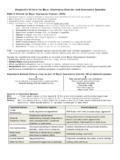
1 Bipolar Disorder Coding And Diagnostic CriteriaSTABLE RESOURCE TOOLKITn Presence of only one manic episode and no past major depressive Diagnostic Criteria 1. n Currently or most recently in a hypomanic episoden Diagnostic Criteria 1 & 2. n Currently or most recently in a manic There has previously been at least one major depressive episode, manic episode or mixed episode. n Diagnostic Criteria 1. n Currently or most recently in a major depressive episoden There has previously been at least one manic episode or mixed episoden Diagnostic Criteria Currently or most recently in a mixed There has previously been at least one major depressive episode, manic episode or mixed Diagnostic Criteria Criteria , except for duration, are currently or most recently met for a manic, a hypomanic, a mixed, or a major depressive There has previously been at least one manic episode or mixed episoden Diagnostic Criteria 1, 2 and 3.
2 Single Manic Episode Most Recent Episode HypomanicMost Recent Episode Manic Most Recent Episode Depressed Most Recent Episode Mixed Most Recent Episode I Diagnosis of Bipolar I Disorder requires at least one manic or mixed Disorder episode, but there may be episodes of hypomania or major depressionDSM-IV-TR Diagnostic Criteria :1. The mood episodes are not better accounted for by Schizoaffective Disorder and are not superimposed on Schizophrenia, Schizophreniform Disorder , Delusional Disorder , or Psychotic Disorder Not Otherwise Specified. 2. The mood symptoms cause clinically significant distress or impairment in social, occupational or other important areas of The mood symptoms are not due to the direct physiological effects of a substance (a drug of abuse, a medication, or other treatment) or a general medical Psychiatric Association, 2000.
3 Diagnostic and Statistical Manual of Mental disorders , Forth Edition, Text Revision, Washington, DCn Presence or history of one or more major depressive Presence or history of at least one hypomanic There has never been a manic episode or a mixed episoden Diagnostic Criteria 1 & II II The diagnosis of this Bipolar Disorder requires neither a manic or a Disorder mixed episode, but does require at least one episode of hypomania in addition to an episode of major depression Bipolar Disorder Coding And Diagnostic Criteria - continuedSTABLE RESOURCE TOOLKITn A 2 year history of numerous of hypomanic and depressive symptoms that do not meet Criteria for a major depressive episode and the patient has not been without symptoms for more than 2 No major depressive Disorder , manic or mixed episode has been present during the first 2 years of the disturbancen Diagnostic Criteria 1, 2 and 3.
4 Cyclothymic Diagnosis of this Bipolar Disorder requires a history of numerous Disorder hypomanic episodes intermingled with numerous episodes of depression that do not meet Criteria for major depressive Vary rapid alteration between manic and depressive symptoms that meet symptom threshold Criteria but not minimal duration Recurrent hypomanic episodes without intercurrent depressive A manic or mixed episode superimposed on delusional Disorder , residual schizophrenia or psychotic Disorder Hypomanic episodes along with chronic depressive symptoms, that are too infrequent to qualify for a diagnosis of cyclothymic Situations where Bipolar Disorder is present but the clinician is unable to determine whether it is primary or secondary to a general medical condition or substance Disorder The Bipolar Disorder Not Otherwise Specified category includes Disorder Not disorders with Bipolar features that do not meet Criteria for any specific Otherwise Bipolar Disorder .
5 SpecifiedDSM IV-TR Diagnostic Criteria :1. The mood episodes are not better accounted for by Schizoaffective Disorder and are not superimposed on Schizophrenia, Schizophreniform Disorder , Delusional Disorder , or Psychotic Disorder Not Otherwise Specified. 2. The mood symptoms cause clinically significant distress or impairment in social, occupational or other important areas of The mood symptoms are not due to the direct physiological effects of a substance (a drug of abuse, a medication, or other treatment) or a general medical condition.