Transcription of Diet and Diverticulosis - Nutrication-Home
1 diverticular Disease and diet I ve been told that I have diverticular disease. What does that mean? diverticular disease is a problem in your intestine. Diverticula are small pouches that bulge outward in the large intestine. Individuals with diverticula are diagnosed with Diverticulosis . It is estimated that about 10% of Americans older than age 40 have this condition. If you have Diverticulosis , you may not have symptoms, but might notice mild cramps, bloating, and constipation. If the pockets in the intestines become inflamed or infected, the condition is called diverticulitis.
2 Both Diverticulosis and diverticulitis are forms of diverticular disease, but diverticulitis is serious and requires medical treatment. What are the symptoms of diverticulitis? Diverticulitis can result in abdominal pain, cramps, bloating, or constipation. The most common sign is tenderness around the left side of the lower abdomen. Fever, nausea, vomiting, chills, cramping, or constipation also can occur. In very serious cases, diverticulitis can lead to bleeding or intestinal tears or blockages. How is diverticular disease treated? Diverticulosis is managed by eating a diet that is high in fiber.
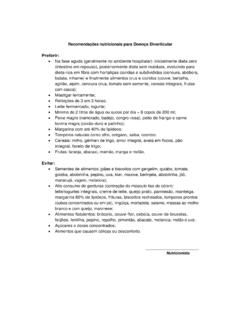
3 This may reduce the mild symptoms of Diverticulosis , as well as prevent inflammation and infection (diverticulitis). A diet that contains 25 to 30 grams of fiber daily is suggested. Foods that are high in fiber include fruits, vegetables, whole-grain breads and cereals, and dry beans and peas. Foods vary in fiber type and content, but if you enjoy five or more servings of fruits and vegetables and three or more servings of whole grains each day, you will probably eat enough fiber to manage your Diverticulosis . Diverticulitis treatment focuses on treating inflammation and infection, and resting the colon to prevent complications, such as intestinal blockages.
4 Often antibiotics are ordered, and in some cases, a clear liquid or low-fiber diet is suggested to temporarily rest the bowel. A clear liquid diet consists of: Water Fruit juices without pulp Broth Gelatin Freezer pops Tea or coffee without cream A low-fiber diet consists of: White breads Pastas Fruit juice Tender meats Dairy products Foods to avoid while on a low-fiber diet include most fruits, vegetables, whole-grain breads and cereals, and dried beans and legumes. Never follow a clear liquid or low-fiber diet for more than 24 hours without consulting a registered dietitian.
5 My doctor said to avoid nuts and foods with seeds. Why? It is probably not necessary to avoid nuts and seeds, such as popcorn, sunflower seeds, and sesame seeds. Although for years, doctors told patients with Diverticulosis to do so. The thought was that these foods could get lodged in diverticula, causing inflammation and diverticulitis. This does seem logical, but no scientific data exists to support the theory that nuts and seeds cause diverticulitis. In fact, many foods with nuts and seeds are high in fiber; so, avoiding them can keep you from getting the fiber your body needs to prevent diverticular disease.
6 These days, dietitians don t recommend limiting foods with nuts and seeds, in most cases. However, if you believe that a specific food makes your Diverticulosis symptoms worse or causes inflammation, by all means avoid that food and talk to your doctor or dietitian about your symptoms. References American Dietetic Association. Nutrition Care Manual. Available to subscribers at: Accessed February 4, 2008. MedlinePlus. Diverticulosis and diverticulitis. Available at: Accessed February 4, 2008. National Digestive Diseases Information Clearinghouse. Diverticulosis and Diverticulosis .
7 Available at: Accessed February 4, 2008. Review Date 3/08 G-0619