Transcription of 1.7 million - LSC
1 86% of the civil legal problems reported by low-income Americans in the past year received inadequate or no legal the past year, 71% of low-income households experienced at least one civil legal problem, including problems with domestic violence, veterans benefits, disability access, housing conditions, and health 2017, low-income Americans will approach LSC-funded legal aid organizations for support with an estimated million problems. They will receive only limited or no legal help for more than half of these problems because of a lack of than 60 million Americans have family incomes at or below 125% of FPL, including: The Justice Gap: Measuring the Unmet Civil Legal Needsof Low-income AmericansExecutive summary The Legal Services Corporation (LSC) contracted with NORC at the University of Chicago to help measure the justice gap among low-income Americans in 2017.
2 LSC defines the justice gap as the difference between the civil legal needs of low-income Americans and the resources available to meet those needs. NORC conducted a survey of approximately 2,000 adults living in households at or below 125% of the Federal Poverty Level (FPL) using its nationally representative, probability-based AmeriSpeak Panel. This report presents findings based on this survey and additional data LSC collected from the legal aid organizations it funds. About million seniorsMore than million persons with disabilitiesData Source: Bureau of the Census, American Community Survey, 2015 1-year estimates More than million veteransAbout 10 million rural residents The Justice Gap: Measuring the Unmet Civil Legal Needs of Low-income Americans| executive summary | June 2017 Key findings : Seeking Legal HelpData Source: 2017 Justice Gap Measurement SurveyKey findings : Experience with Civil Legal ProblemsData Source: 2017 Justice Gap Measurement Survey71% of low-income households have experienced a civil legal problem in the past year.
3 The rate is even higher for some: households with survivors of domestic violence or sexual assault (97%), with parents/guardians of kids under 18 (80%), and with disabled persons (80%). 1 in 4 low-income households has experienced 6+ civil legal problems in the past year, including 67% of households with survivors of domestic violence or sexual in 10 low-income Americans with recent personal experience of a civil legal problem say a problem has significantly affected their of households with veterans or other military personnel have experienced a civil legal problem in the past year. They face the same types of problems as others, but 13% also report problems specific to Americans seek professional legal help for only 20% of the civil legal problems they reasons for not seeking professional legal help are.
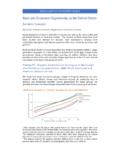
4 Deciding to deal with a problem on one s own Not knowing where to look for help or what resources might exist Not being sure whether their problem is legal Low-income Americans are most likely to seek professional legal help on problems that are more obviously legal, like custody issues and & FinanceRental HousingChildren & CustodyEducationDisabilityIncome Maintenance0102030405041%37%29%27%26%23% 22%Common Civil Legal Problem AreasPercent of households experiencing at least one issue-related problem in the past year Base sizes vary.| The Justice Gap: Measuring the Unmet Civil Legal Needs of Low-income AmericansSeniors56% of seniors households hadat least 1 civil legal problem in past Residents75% of households in rural areas had at least 1 civil legal problem in past of households with veterans or other military personnel had at least 1 civil legal problem in past with Disabilities80% of households with persons with disabilities had at least 1 civil legal problem in past of Children under 18 80% of households with parents or guardians of minor children had at least 1 civil legal problem in past ofDomestic Violence or Sexual Assault 97% of households with survivors of domestic violence or sexual
5 Assault had at least 1 civil legal problem in past year in addition to domestic violence or sexual Focus The Special Focus section of this report presents key findings for several groups of interest. Key findings : Reports from the FieldData Source: LSC 2017 Intake Census and LSC 2016 Grantee Activity ReportsThe 133 LSC-funded legal aid organizations across the United States, Puerto Rico, and territories will serve an estimated 1 million low-income Americans in 2017, but will be able to fully address the civil legal needs of only about half of them. Among the low-income Americans receiving help from LSC-funded legal aid organizations, the top three types of civil legal problems relate to family, housing, and income 2017, low-income Americans will receive limited or no legal help for an estimated million eligible problems after seeking help from LSC-funded legal aid organizations.
6 A lack of available resources accounts for the vast majority (85% - 97%) of civil legal problems that LSC-funded organizations do not fully address. 65+The Justice Gap: Measuring the Unmet Civil Legal Needs of Low-income AmericansBoard of DirectorsJohn G. LeviChairmanMartha Minow Vice ChairRobert J. Grey Jr. Harry Korrell IIIV ictor B. MaddoxLaurie MikvaFr. Pius Pietrzyk, A. Reiskin Gloria Valencia-WeberOfficersJames J. SandmanPresidentCarol A. BergmanVice President for Government Relations and Public AffairsRonald FlaggGeneral Counsel, Corporate Secretary and Vice President for Legal AffairsLynn A. JenningsVice President for Grants ManagementDavid L. RichardsonTreasurer and ComptrollerFor more informationCarl Rauscher, Director of Communications and Media RelationsLegal Services Corporation3333 K Street NW, Washington, DC LSC @Like us on Facebook us on Twitter us on Vimeo on YouTube