Transcription of 3.0 Manage hazardous substances risks
1 Manage hazardous substances risksIN THIS hazardous substances can damage your health Applying substance Prepare an inventory of your hazardous substances Find and implement the key controls with the Manage remaining hazardous substances Review control Health and exposure Information, instruction and Young people Manage hazardous substances risksHazardous substances can damage your healthSome risks related with hazardous substances are obvious. For example, highly flammable substances like petrol, acetone or methylated spirits must be kept away from an open flame to prevent a fire or an accidents like explosions do happen, but don t forget the less obvious harm hazardous substances can cause, especially due to the following types of exposure: Breathing in toxic vapours, dusts, mists, gases or fumes from hazardous you can smell it, you are breathing it in.
2 But don t depend on smell alone, as your sense of smell can become overloaded and even though you may no longer be able to smell the substance , it might still be in the air. Some toxic hazardous substances don t have a smell, so you shouldn t use smell as the only indicator that hazardous substances are present. hazardous substances being absorbed through your skin and entering your blood you touch something exposed to hazardous substances (eg tools, PPE, surfaces) without wearing proper protection, you could absorb the substances through your skin. Swallowing or ingesting hazardous substances can be accidentally swallowed, for example, if you eat or smoke without washing your hands after using hazardous vapours are an example of how hazardous substances can harm you when you breathe them in, with immediate effects like headaches, forgetfulness, drowsiness, dizziness and/or nausea, irritability and mood changes, and irritation of the eyes, lungs and skin.
3 Long-term effects may not be immediately obvious but can be more serious, such as personality changes, sleep disorders, memory loss, cancer, damage to the liver and kidneys, harm to unborn children, fertility problems, and even avoid these consequences, you must Manage risk to keep yourself, your workers and your workplace substance controlsTo protect you from risk, you must put in place specific technical controls whenever hazardous substances are present in your workplace above specified thresholds. The following steps show you how to use the Calculator to find the key controls for your Make a list of all of your substancesFirst, make a list of all of the substances used, stored, handled or manufactured (ie mixed or blended) at your workplace including any waste created from manufacturing or industrial processes.
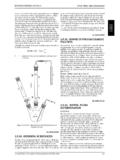
4 Include all substances to begin with; even the ones you might not think are Obtain a safety data sheet for each substanceA safety data sheet (SDS) provides information on the hazards posed by a hazardous substance and safe ways to use, store, transport and dispose of it. You need to obtain an SDS for each hazardous substance from its manufacturer, 2: How hazardous substances enter the bodyInhalationSkin Manage hazardous substances risksimporter or supplier when it is first supplied to you, when it is supplied to you for the first time in five years, or when it is supplied for the first time after any changes are made to its SDS. See pages 28-29 for more information, including when you don t need an Determine whether your substances are hazardousNext, determine whether your substances are hazardous .
5 Read the label for warnings (eg causes skin irritation) and the SDS, especially the Hazards Identification section, to find out whether the substance is hazardous . Only hazardous substances can be entered into the Calculator and only hazardous substances have a hazard classification. Some substances may be hazardous to health without being classified as hazardous substances (eg wood dust). Although you need to Manage the risks associated with these substances , they do not need to be entered into your the definition of hazardous substances in the an inventory of your hazardous substancesYou must prepare an inventory of the hazardous substances that you use, handle, manufacture or store in your workplace, and ensure that the information in it is inventory must include: the product or chemical name and UN number of each hazardous substance the maximum amount of each hazardous substance likely to be at the workplace the location of the hazardous substances specific storage and segregation requirements and the current SDS for each hazardous substance or a condensed version of the key information from the inventory also needs to include waste likely to meet the criteria to be classified as a hazardous inventory should also include other information useful for identifying the substance (eg classification, UN class and packing group, approval number) and about its storage (eg container size and type, whether the container is open or closed, or whether the substance is a solid, liquid or gas).
6 Find and implement the key controls with the CalculatorEnter the hazardous substances in your inventory into the Calculator. Generally the name of the hazardous substance is enough, but you can also enter the HSNO approval number or CAS number. If you cannot find your substance in the Calculator with this information, you can search for it using the name or HSNO approval number of the group standard it is approved under, followed by its hazard you do not have these, use the UN class and UN packing group found in Section 14 of the SDS. You may also need to enter information about the type of storage. Then, after you enter information about maximum quantities, the Calculator will then list the key controls that apply to your the controls for your substances provided by the Calculator and any additional controls from the HSNO approval.
7 Check the SDS for any other controls that may apply to a specific Manage hazardous substances risksManage remaining hazardous substance risksYou need to Manage risk remaining after you put in place the controls for the substances in your inventory. Assess your workplace to identify risks and think about possible exposure to the it is reasonably practicable to do so, eliminate or substitute hazards, if not, minimise the risk. Choose control measures that protect multiple workers at workers in identifying hazards, assessing health and safety risks and proposing changes that affect their health and safety, including decisions about: how to eliminate health and safety risks and resolve health and safety issues how to minimise health and safety risks procedures for monitoring worker health and workplace conditions procedures to provide information to, train and instruct engagement can take place through health and safety representatives (HSRs), health and safety committees (HSCs) and the risksWhen identifying the risks in your workplace, think about.
8 The amount of the hazardous substance you have in the workplace any related physical or chemical hazards possible reactions with other substances ignition sources structures or plant or systems of work involved in using, handling, manufacturing or storing substances work carried out by workers with the substance and their risk of exposure to it and the likely degree of that exposure, and any prescribed exposure standards or restricted entry intervals for the about the people who work directly with hazardous substances in your workplace and the people who could come into contact with hazardous substances in the area where they are used. Observe your workers as they work, and discuss their work practices with t forget people (eg cleaners) who may have contact with substances on contaminated surfaces and other people like contractors, visitors and workers who do not directly use hazardous substances but who may still be exposed to whether the people you have identified above could be exposed to a substance by breathing it in, ingesting it or absorbing it through their exposure is likely, determine how serious it isTo determine the degree of exposure you need to know the concentration of the substance during exposure and how long and how often people are exposed to it by looking carefully at work probably won t be able to accurately assess the degree of exposure yourself, as assessment usually involves measuring air concentrations of hazardous substances or measuring hazardous substances in urine or blood.
9 Air measurements usually require workers to wear personal monitoring equipment as they do their job. This monitoring should be done by trained and competent find competent people to monitor exposure levels, see the website of the New Zealand Occupational Hygiene Society at: can also see the list of member associations of the Health and Safety Association of New Zealand, under Who we are at: Manage hazardous substances risksEliminate the substance or, if you can t, substitute it for a less hazardous oneIf possible, getting rid of the hazard altogether from your workplace is the best solution. To decide which substances do not need to be in your workplace, ask yourself: Are there hazardous substances I no longer use? Am I storing more hazardous substances than I need? Are there hazardous substances that I can t identify or that are unlabelled?
10 If you answer yes to any of the above, have the hazardous substance you no longer need disposed of safely. Reducing the amount of hazardous substances may reduce your compliance needs and the SDS for disposal information. Check if your local council has any rules about disposing of hazardous substances safely or choose a specialist chemical waste disposal you use, handle, manufacture or store a very hazardous substance , ask your supplier if you can substitute it with a safer example, solvent based inks can sometimes be replaced by vegetable oil based inks. You still need to consider the risks associated with the safer alternative the risk: isolation and engineering controlsIsolating the substance or its use may be the most effective way to Manage the risk posed by your example of isolating the hazard is spray painting in a booth that is fully automated and doesn t require anyone to enter.