Transcription of ADVERSE REACTIONS---------
1 HIGHLIGHTS OF PRESCRIBING INFORMATIONT hese highlights do not include all the information needed to use flumist QUADRIVALENT safely and effectively. See full prescribing information for flumist Quadrivalent (Influenza Vaccine Live, Intranasal)Intranasal Spray2018-2019 FormulaInitial Approval: 2003------------------------------------ ----------INDICATIONS AND USAGE----------------------------------- ------------ flumist Quadrivalent is a vaccine indicated for active immunization for the prevention of influenza disease caused by influenza A subtype viruses and type B viruses contained in the vaccine. (1, 11) flumist Quadrivalent is approved for use in persons 2 through 49 years of age. (1)------------------------------------- ------DOSAGE AND ADMINISTRATION-------------------------- ----------------For intranasal administration by a healthcare provider. (2)AgeDoseSchedule2 years through 8 years1 or 2 dosesa, mLb eachIf 2 doses, administer at least 1 month apart9 years through 49 years1 dose, mLb-a 1 or 2 doses depends on vaccination history as per Advisory Committee on Immunization Practices annual recommendations on prevention and control of influenza with vaccines.
2 B Administer as mL per nostril. - indicates information is not FORMS AND STRENGTHS------------------------------- ----------Each mL dose is a suspension supplied in a single-dose pre-filled intranasal sprayer. (3)------------------------------------- -----------CONTRAINDICATIONS------------ -------------------------------------- Severe allergic reaction ( , anaphylaxis) to any component of flumist Quadrivalent, including egg protein, or after a previous dose of any influenza vaccine. ( , 11) Concomitant aspirin therapy in children and adolescents. ( )--------------------------------------- ----WARNINGS AND PRECAUTIONS----------------------------- -------------- In clinical trials, risks of hospitalization and wheezing were increased in children younger than 2 years of age who received flumist (trivalent Influenza Vaccine Live, Intranasal). ( ) Children younger than 5 years of age with recurrent wheezing and persons of any age with asthma may be at increased risk of wheezing following the administration of flumist Quadrivalent.
3 ( ) If Guillain-Barr syndrome has occurred within 6 weeks of any prior influenza vaccination, the decision to give flumist Quadrivalent should be based on careful consideration of the potential benefits and risks. ( ) flumist Quadrivalent has not been studied in immunocompromised persons. ( )--------------------------------------- --------- ADVERSE REACTIONS------------------------------- ------------------The most common solicited ADVERSE reactions ( 10% in vaccine recipients and at least 5% greater than in placebo recipients) reported after flumist were runny nose or nasal congestion (ages 2 years through 49 years), fever over 100 F (children ages 2 years through 6 years), and sore throat (adults ages 18 years through 49 years). Among children and adolescents 2 through 17 years of age who received flumist Quadrivalent, 32% reported runny nose or nasal congestion and 7% reported fever over 100 F.
4 Among adults 18 through 49 years of age who received flumist Quadrivalent, 44% reported runny nose or nasal congestion and 19% reported sore throat. ( )To report SUSPECTED ADVERSE REACTIONS, contact MedImmune at 1-877-633-4411 or VAERS at 1-800-822-7967 or INTERACTIONS---------------------------- ---------------------- Antiviral drugs that are active against influenza A and/or B may reduce the effectiveness of flumist Quadrivalent if administered within 48 hours before, or within 2 weeks after , receipt of the vaccine. ( )--------------------------------------- ----USE IN SPECIFIC POPULATIONS----------------------------- ------------- Safety and effectiveness of flumist Quadrivalent have not been established in pregnant women, nursing mothers, geriatric adults, or children less than 2 years of age. ( , , , ) In clinical trials, in children 6 through 23 months of age, flumist was associated with an increased risk of hospitalization and wheezing.
5 ( )See 17 for PATIENT COUNSELING INFORMATION and FDA-approved patient : 8/2018 FULL PRESCRIBING INFORMATION: CONTENTS*1 INDICATIONS AND USAGE2 DOSAGE AND Dosing Administration Instructions3 DOSAGE FORMS AND STRENGTHS4 Severe Allergic Concomitant Aspirin Therapy and Reye s Syndrome in Children and Adolescents5 WARNINGS AND Risks of Hospitalization and Wheezing in Children Younger than 24 Months of Asthma, Recurrent Wheezing, and Active Guillain-Barr Altered Medical Conditions Predisposing to Influenza Management of Acute Allergic Limitations of Vaccine Effectiveness6 ADVERSE Clinical Trials Postmarketing Experience7 DRUG Aspirin Antiviral Agents Against Influenza A and/or Concomitant Administration with Inactivated Concomitant Administration with Other Live Intranasal Products8 USE IN SPECIFIC Pediatric Geriatric Use11 DESCRIPTION12 CLINICAL Mechanism of Pharmacodynamics13 NONCLINICAL Carcinogenesis, Mutagenesis.
6 Impairment of Fertility14 CLINICAL Efficacy Studies of flumist in Children and Immune Response Study of flumist Quadrivalent in Children and Effectiveness Study of flumist in Immune Response Study of flumist Quadrivalent in Concomitantly Administered Live Virus Vaccines15 REFERENCES16 HOW SUPPLIED/STORAGE AND How Storage and Handling17 PATIENT COUNSELING Asthma and Recurrent Vaccination with a Live Virus ADVERSE Event ReportingINFORMATION FOR PATIENTS AND THEIR CAREGIVERS*Sections or subsections omitted from the full prescribing information are not PRESCRIBING INFORMATION1 INDICATIONS AND USAGEFluMist Quadrivalent is a vaccine indicated for active immunization for the prevention of influenza disease caused by influenza A subtype viruses and type B viruses contained in the vaccine [see Description (11)]. flumist Quadrivalent is approved for use in persons 2 through 49 years of age. 2 DOSAGE AND ADMINISTRATIONFOR INTRANASAL ADMINISTRATION BY A HEALTHCARE Dosing InformationAdminister flumist Quadrivalent according to the following schedule:AgeDoseSchedule2 years through 8 years1 or 2 dosesa, mLb eachIf 2 doses, administer at least 1 month apart9 years through 49 years1 dose, mLb-a 1 or 2 doses depends on vaccination history as per Advisory Committee on Immunization Practices annual recommendations on prevention and control of influenza with vaccines.
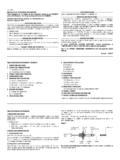
7 B Administer as mL per nostril. - indicates information is not Administration InstructionsEach sprayer contains a single dose ( mL) of flumist Quadrivalent; administer approximately one half of the contents of the single-dose intranasal sprayer into each nostril (each sprayer contains mL of vaccine). Refer to Figure 1 for step-by-step administration instructions. Following administration, dispose of the sprayer according to the standard procedures for medical waste ( , sharps container or biohazard container).Figure 14 With a single motion, depress plunger as rapidly as possible until the dose-divider clip prevents you from going rubber tip protector. Do not remove dose-divider clip at the other end of the the patient in an uprightposition, place the tipjust inside the nostril toensure the vaccine isdelivered into the the tip just inside the other nostril and with a single motion, depress plunger as rapidly as possible to deliver remaining and remove the dose-divider clip from NOT INJECT.
8 DO NOT USE A NEEDLE. Note: Active inhalation ( , sniffing) is not required by the patient during vaccine Quadrivalent23 DOSAGE FORMS AND STRENGTHSEach mL dose is a suspension supplied in a single-dose pre-filled intranasal Severe Allergic ReactionsDo not administer flumist Quadrivalent to persons who have had a severe allergic reaction ( , anaphylaxis) to any component of the vaccine [see Description (11)] including egg protein, or after a previous dose of any influenza Concomitant Aspirin Therapy and Reye s Syndrome in Children and AdolescentsDo not administer flumist Quadrivalent to children and adolescents through 17 years of age who are receiving aspirin therapy or aspirin-containing therapy because of the association of Reye s syndrome with aspirin and wild-type influenza infection [see Drug Interactions ( )].5 WARNINGS AND Risks of Hospitalization and Wheezing in Children Younger than 24 Months of AgeIn clinical trials, risks of hospitalization and wheezing were increased in children younger than 2 years of age who received flumist (trivalent Influenza Vaccine Live, Intranasal) [see ADVERSE Reactions ( )].
9 This observation with flumist is relevant to flumist Quadrivalent because both vaccines are manufactured using the same process and have overlapping compositions [see Description (11)]. Asthma, Recurrent Wheezing, and Active WheezingChildren younger than 5 years of age with recurrent wheezing and persons of any age with asthma may be at increased risk of wheezing following administration of flumist Quadrivalent. flumist Quadrivalent has not been studied in persons with severe asthma or active Guillain-Barr SyndromeThe 1976 swine influenza vaccine (inactivated) was associated with an elevated risk of Guillain-Barr syndrome (GBS). Evidence for causal relation of GBS with other influenza vaccines is inconclusive; if an excess risk exists, based on data for inactivated influenza vaccines, it is probably slightly more than 1 additional case per 1 million persons vaccinated1. If GBS has occurred within 6 weeks of any prior influenza vaccination, the decision to give flumist Quadrivalent should be based on careful consideration of the potential benefits and potential Altered ImmunocompetenceFluMist Quadrivalent has not been studied in immunocompromised persons.
10 The effectiveness of flumist has not been studied in immunocompromised persons. Data on safety and shedding of vaccine virus after administration of flumist in immunocompromised persons are limited to 173 persons with HIV infection and 10 mild to moderately immunocompromised children and adolescents with cancer [see Clinical Pharmacology ( )]. Medical Conditions Predisposing to Influenza ComplicationsThe safety of flumist Quadrivalent in individuals with underlying medical conditions that may predispose them to complications following wild-type influenza infection has not been established. Management of Acute Allergic ReactionsAppropriate medical treatment and supervision must be available to manage possible anaphylactic reactions following administration of the vaccine [see Contraindications ( )]. Limitations of Vaccine EffectivenessFluMist Quadrivalent may not protect all individuals receiving the ADVERSE Clinical Trials ExperienceBecause clinical trials are conducted under widely varying conditions, ADVERSE reaction rates observed in the clinical trials of a vaccine cannot be directly compared to rates in the clinical trials of another vaccine and may not reflect the rates observed in safety experience with flumist is relevant to flumist Quadrivalent because both vaccines are manufactured using the same process and have overlapping compositions [see Description (11)].