Transcription of Agri-Food Outlook
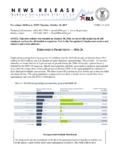
1 Agri-FoodOutlook2022 Region2020 (MMT*)2021 (MMT)Growth MMTG rowth (%) ( )-1 . 2%Latin America**17 7. 5 7 2 ( ) America** Total 1, 1, *Million metric tons**Latin America includes all Central-American countries, including Mexico.**North America includes Canada and the a year of challenges, feed production grew globally over the past year, with an estimated 1, million metric tons produced in 2021, versus 1, million metric tons in pig sector rebounded from African swine fever (ASF) with a feed tonnage increase of more than 6%. Aquaculture continues to grow steadily around the world, with a global increase of The pet sector experienced the largest growth, however, with an impressive increase in feed production.
2 China remains the largest feed-producing country and also reported the biggest growth since 2020. Production exceeded expectations in many countries, mainly due to recovery from COVID-19 lockdowns. Many sectors continue to focus on innovation and partnerships, which proved essential to sustaining business over the last year. As we look ahead to the future of agriculture, there are many reasons to be optimistic. The resilience of the Agri-Food sector against the challenges of COVID-19, as well as disease and supply chain disruptions, along with its continued growth, modernization and increased sustainability in the midst of those challenges are proof positive of an industry on the right OutlookAgri-Food Outlook2022 Feed Production Estimations by Sector and RegionSector2020 (MMT)2021 (MMT)Growth (MMT)Growth (%)Broiler ( ) ( ) Ten Countries The top ten feed-producing countries around the world produced MMT of feed, representing 65% of the total global feed , feed production in these countries increased by , compared to global growth.
3 2021 Top Ten Feed-Producing Countries 2020 Total Feed Production (MMT)2021 Total Feed Production (MMT) Var. 2020 to 2021 (MMT) Var. (%) * ( ) ( ) ( ) Grand Total * Turkey increased in rank, entering the list of top ten feed-producing countries. As a result, Argentina dropped out of the top Outlook2022 The industry continues to lean into technology, with Global FeedProduction and TrendsTotal feed production: 1, MMTS upply chain issues and inflated feed prices were cited as creating the biggest impact, with 33% of countries reporting that high material prices were the biggest challenge for agricultureWhile many regions are still grappling with COVID-19, the focus has returned to sustainabilityAfrica, the Middle East and countries neighboring Russia reported export disruptions due to geopolitical issuesGlobal feed production increased by of countriesreporting on the trend toward tech, including digitization and IOT devices Agri-Food Outlook2022 PIG The pig sector displayed a significant comeback, with a feed tonnage increase of , which was primarily boosted by Asia-Pacific s recovery from ASF.
4 Japan, South Korea, Malaysia and China demonstrated just such a recovery from ASF, but Indonesia, Myanmar, the Philippines, Thailand and Vietnam continued to feel the impact of the disease. In Europe, countries where ASF is not or is no longer a problem were still impacted by a pork surplus due to a reduced demand from Asia-Pacific region grew by Region Sum of 2020 Feed Tonnage: Pigs (MMT)Sum of 2021 Feed Tonnage: Pigs (MMT) Var. 2020 to 2021 (MMT) Growth (%) ( ) ( ) ( ) feed increased Outlook2022 Region Sum of 2020 Feed Tonnage: Dairy (MMT)Sum of 2021 Feed Tonnage: Dairy (MMT)Var. 2020 to 2021 (MMT)Growth (%) ( ) ( ) ( ) ( ) dairy farmers continue to grapple with low milk pricesDAIRY Globally, dairy feed tonnage increased slightly, by Asia-Pacific saw the biggest increase, which is mostly attributed to growth in India.
5 As COVID-19 lockdowns eased around the world, the reopening of the hospitality industry and in-person classroom education helped boost milk consumption overall. In Australia and New Zealand, dairy feed tonnages were down and , respectively. Dairy feed production saw an increase ofAsia-Pacific had the largest increase, decreased by globally1 .9% Agri-Food Outlook2022 Region Sum of 2020 Feed Tonnage: Beef (MMT)Sum of 2021 Feed Tonnage: Beef (MMT) Var. 2020 to 2021 (MMT)Growth (%) ( ) ( ) ( ) ( ) ( ) concerns continue to present both challenges and opportunities BEEF Beef feed production saw a reduction of globally due, in part, to challenges incurred through greenhouse gas (GHG) regulations.
6 European markets are especially focused on reducing GHG emissions in an effort to align with COP26, the EU Green Deal and the FEFAC Feed Sustainability Charter 2030. The experienced an increased steer and heifer harvest due to carryover from 2020, as well as a record demand for beef exports. Argentina saw a significant reduction due to reduced exports, and high inflation and the devaluation of the local currency are also affecting Argentinians purchasing power. Turkey experienced a 15% reduction in tonnage as the result of an increase in the price of raw materials and due to the high cost of importing livestock. The has seen a record demand for beef exports due, in part, to the high demand from Mainland ChinaBeef feed decreased byglobally1.
7 9% Agri-Food Outlook2022 Region Sum of 2020 Feed Tonnage: Layers (MMT)Sum of 2021 Feed Tonnage: Layers (MMT) Var. 2020 to 2021 (MMT) Growth (%) ( ) ( ) ( ) ( ) ( ) The layer sector saw a slight reduction in feed tonnage, which was down Several countries experienced challenges due to the high costs of raw materials, combined with flat or reduced retail prices for eggs. In Europe, the most significant decreases occurred in Norway, Russia, Ukraine and Poland. Asia-Pacific also saw a decrease, while tonnage in Australia grew by 4%. The high cost of materials and low retail prices are among the biggest challenges for layer productionLayer feed production in Australia increased by4% Agri-Food Outlook2022In Ireland, consumers are driving a demand for slower-growing broilersBROILERS Broiler feed production increased by a solid over the last year.
8 A range of factors may have helped boost the broiler business, including an increase in home cooking during the pandemic and being a relatively affordable option compared to other proteins. The opposite effect was seen in the Philippines, however, where production decreased due to COVID-19. China and India accounted for the most significant increases in Asia-Pacific. In Latin America, Peru, Brazil, Paraguay and Mexico contributed significantly to the region s 5% increase. Region Sum of 2020 Feed Tonnage: Broilers (MMT)Sum of 2021 Feed Tonnage: Broilers (MMT)Var. 2020 to 2021 (MMT) Growth (%) ( ) ( ) feed production increased China saw an increase of nearly MMTAgri-Food Outlook2022 Nearly all regions reported either flat or increased production numbersAQUACULTURE The aquaculture industry continues to thrive across all regions, leading to an impressive global increase of Recirculating aquaculture systems (RAS) are becoming more prevalent, and consumer demand for fish is on the rise.
9 Markets with ASF challenges saw additional growth due to their reduced pork supply. India saw a significant increase, of 9%, in its aquaculture feed tonnage; additionally, Indonesia accounted for 10% of Asia-Pacific s growth. In Latin America, Chile, Brazil, Honduras and Ecuador contributed to the regional growth of Sum of 2020 Feed Ton-nage: Aqua (MMT)Sum of 2021 Feed Ton-nage: Aqua (MMT) Var. 2020 to 2021 (MMT)Growth (%) - is a key factor in the success of this sectorThe aqua industry saw continued growth America had the highest growth Agri-Food Outlook2022 Region Sum of 2020 Feed Tonnage: Pet (MMT)Sum of 2021 Feed Tonnage: Pet (MMT) Var. 2020 to 2021 (MMT)Growth (%) - - ownership rose during the pandemic, giving a boost to the global industryPET Pet feed production had the highest increase among all of the sectors, with an rise in production.
10 This significant increase is largely due to the rise in pet ownership amid the COVID-19 pandemic. While some regions remained flat, there were no reported decreases in any region around the world. The pet food sector grew Outlook2022