Transcription of ANDREW METHYLATED SPIRITS - Resene
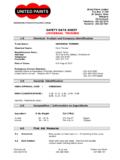
1 Damar Industries LimitedChemwatch Hazard Alert Code: 3 ANDREW METHYLATED SPIRITSV ersion No: Data Sheet according to HSNO RegulationsIssue Date: 18/11/2015 Print Date: 05/07/2016 Initial Date: 18/11 1 IDENTIFICATION OF THE SUBSTANCE / MIXTURE AND OF THE COMPANY / UNDERTAKINGP roduct IdentifierProduct nameANDREW METHYLATED SPIRITSS ynonymsALE0134 ALG0134 ALK0134 ALL0134 ALP0134 ALQ0134 ALT0134 Proper shipping nameETHANOL (ETHYL ALCOHOL) or ETHANOL SOLUTION (ETHYL ALCOHOL SOLUTION)Other means ofidentificationNot AvailableRelevant identified uses of the substance or mixture and uses advised againstRelevant identified usesCleaning solventDetails of the supplier of the safety data sheetRegistered company nameDamar Industries LimitedAddress800 Te Ngae Road BOP 3010 New ZealandTelephone+64 7 345 6007 Fax+64 7 345 6019 telephone numberAssociation / OrganisationCHEMCALL (0800 CHEMCALL)Emergency telephonenumbers0800 243 622 Other emergency telephonenumbers1800 243 622 (outside New Zealand)
2 SECTION 2 HAZARDS IDENTIFICATIONC lassification of the substance or mixtureConsidered a Hazardous Substance according to the criteria of the New Zealand Hazardous Substances New Organisms as Dangerous Goods for transport HAZARD RATINGSMaxMinFlammability3 Toxicity0 Body Contact2 Reactivity1 Chronic00 = Minimum1 = Low2 = Moderate3 = High4 = ExtremeClassification [2]Flammable Liquid Category 2, Eye Irritation Category 2 ALegend:1. Classified by Chemwatch; 2. Classification drawn from CCID EPA NZ ; 3. Classification drawn from EC Directive 1272/2008 - Annex VIGazetted by EPA , elementsGHS label elementsSIGNAL WORDDANGERH azard statement(s)H225 Highly flammable liquid and serious eye statement(s) PreventionP210 Keep away from heat/sparks/open flames/hot surfaces.
3 - No container tightly container and receiving explosion-proof electrical/ventilating/lighting/intrinsi cally safe statement(s) ResponseP370+P378In case of fire: Use alcohol resistant foam or normal protein foam for +P351+P338IF IN EYES: Rinse cautiously with water for several minutes. Remove contact lenses, if present and easy to do. Continue +P313If eye irritation persists: Get medical +P361+P353IF ON SKIN (or hair): Remove/Take off immediately all contaminated clothing. Rinse skin with statement(s) StorageP403+P235 Store in a well-ventilated place. Keep statement(s) DisposalP501 Dispose of contents/container in accordance with local 3 COMPOSITION / INFORMATION ON INGREDIENTSS ubstancesSee section below for composition of MixturesMixturesCAS No%[weight] 4 FIRST AID MEASURESNZ Poisons Centre 0800 POISON (0800 764 766) | NZ Emergency Services: 111 Description of first aid measuresEye ContactIf this product comes in contact with the eyes: Wash out immediately with fresh running water.
4 Ensure complete irrigation of the eye by keeping eyelids apart and away from eye and moving the eyelids by occasionally lifting the upper and lower lids. Seek medical attention without delay; if pain persists or recurs seek medical attention. Removal of contact lenses after an eye injury should only be undertaken by skilled personnel. Skin ContactIf skin or hair contact occurs:Flush skin and hair with running water (and soap if available). Seek medical attention in event of irritation. InhalationIf fumes, aerosols or combustion products are inhaled remove from contaminated area. Other measures are usually unnecessary.
5 IngestionImmediately give a glass of water. First aid is not generally required. If in doubt, contact a Poisons Information Centre or a doctor. Indication of any immediate medical attention and special treatment neededTreat acute or short term repeated exposures to ethanol: Acute ingestion in non-tolerant patients usually responds to supportive care with special attention to prevention of aspiration, replacement of fluid and correction of nutritional deficiencies(magnesium, thiamine pyridoxine, Vitamins C and K). Give 50% dextrose (50-100 ml) IV to obtunded patients following blood draw for glucose determination.
6 Comatose patients should be treated with initial attention to airway, breathing, circulation and drugs of immediate importance (glucose, thiamine). Decontamination is probably unnecessary more than 1 hour after a single observed ingestion. Cathartics and charcoal may be given but are probably not effective in single ingestions. Fructose administration is contra-indicated due to side effects. SECTION 5 FIREFIGHTING MEASURESE xtinguishing mediaAlcohol stable foam. Dry chemical powder. BCF (where regulations permit). Carbon dioxide. Special hazards arising from the substrate or mixtureFire IncompatibilityAvoid contamination with oxidising agents nitrates, oxidising acids, chlorine bleaches, pool chlorine etc.
7 As ignition may result ethanoldenatonium Basic Violet 3 chlorideVersion No: 2 of 9 ANDREW METHYLATED SPIRITSI ssue Date: 18/11/2015 Print Date: 05/07 for firefightersFire FightingAlert Fire Brigade and tell them location and nature of hazard. May be violently or explosively reactive. Wear breathing apparatus plus protective gloves in the event of a fire. Prevent, by any means available, spillage from entering drains or water course. Fire/Explosion HazardLiquid and vapour are highly flammable. Severe fire hazard when exposed to heat, flame and/or oxidisers. Vapour may travel a considerable distance to source of ignition.
8 Heating may cause expansion or decomposition leading to violent rupture of containers. Combustion products include:, carbon dioxide (CO2), other pyrolysis products typical of burning organic materialSECTION 6 ACCIDENTAL RELEASE MEASURESP ersonal precautions, protective equipment and emergency proceduresMinor SpillsRemove all ignition sources. Clean up all spills immediately. Avoid breathing vapours and contact with skin and eyes. Control personal contact with the substance, by using protective equipment. Major SpillsClear area of personnel and move upwind. Alert Fire Brigade and tell them location and nature of hazard.
9 May be violently or explosively reactive. Wear breathing apparatus plus protective gloves. Personal Protective Equipment advice is contained in Section 8 of the 7 HANDLING AND STORAGEP recautions for safe handlingSafe handlingContainers, even those that have been emptied, may contain explosive vapours. Do NOT cut, drill, grind, weld or perform similar operations on or near containers. Avoid all personal contact, including inhalation. Wear protective clothing when risk of exposure occurs. Use in a well-ventilated area. Prevent concentration in hollows and sumps. Other informationStore in original containers in approved flame-proof area.
10 No smoking, naked lights, heat or ignition sources. DO NOT store in pits, depressions, basements or areas where vapours may be containers securely sealed. Conditions for safe storage, including any incompatibilitiesSuitable containerPacking as supplied by manufacturer. Plastic containers may only be used if approved for flammable liquid. Check that containers are clearly labelled and free from leaks. For low viscosity materials (i) : Drums and jerry cans must be of the non-removable head type. (ii) : Where a can is to be used as an inner package, the canmust have a screwed enclosure. For materials with a viscosity of at least 2680 cSt.