Transcription of Antibiotics and Their Types - …
1 Antibiotics and Their Types , Uses and Side Effects By Yury Bayarski An antibiotic is a drug that kills or slows the growth of bacteria. Antibiotics are one class of antimicrobials, a larger group which also includes anti-viral, anti-fungal, and anti-parasitic drugs. Antibiotics are chemicals produced by or derived from microorganisms ( bugs or germs such as bacteria and fungi). The first antibiotic was discovered by Alexander Fleming in 1928 in a significant breakthrough for medical science. Antibiotics are among the most frequently prescribed medications in modern medicine.
2 Some Antibiotics are 'bactericidal', meaning that they work by killing bacteria. Other Antibiotics are 'bacteriostatic', meaning that they work by stopping bacteria multiplying. Each different type of antibiotic affects different bacteria in different ways. For example, an antibiotic might inhibit a bacterium's ability to turn glucose into energy, or its ability to construct its cell wall. When this happens, the bacterium dies instead of reproducing. Some Antibiotics can be used to treat a wide range of infections and are known as 'broad- spectrum ' Antibiotics .
3 Others are only effective against a few Types of bacteria and are called 'narrow- spectrum ' Antibiotics . Side effects of Antibiotics Antibiotics can literally save lives and are effective in treating illnesses caused by bacterial infections. However, like all drugs, they have the potential to cause unwanted side effects. Many of these side effects are not dangerous, although they can make life miserable while the drug is being taken. In general, Antibiotics rarely cause serious side effects. The most common side effects from Antibiotics are diarrhea, nausea, vomiting.
4 Fungal infections of the mouth, digestive tract and vagina can also occur with Antibiotics because they destroy the protective 'good' bacteria in the body (which help prevent overgrowth of any one organism), as well as the 'bad' ones, responsible for the infection being treated. Some people are allergic to Antibiotics , particularly penicillins. Allergic reactions cause swelling of the face, itching and a skin rash and, in severe cases, breathing difficulties. Allergic reactions require prompt treatment. Types of Antibiotics There are many different kinds of Antibiotics .
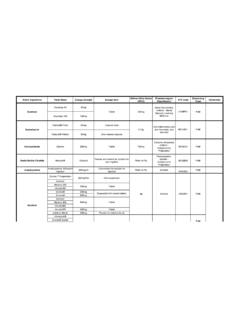
5 The type of Antibiotics you take depends on the type of infection you have and what kind of Antibiotics are known to be effective. The main classes of Antibiotics : Aminoglycosides Cephalosporins Fluoroquinolones Macrolides Penicillins Tetracyclines Macrolides There are a couple of new relatives of erythromycin (azithromycin and clarithromycin) that work the same way, but kill more bugs and have slightly fewer side effects. The erythromycin-like Antibiotics are also known as macrolides. Macrolides belong to the polyketide class of natural products.
6 Macrolide Antibiotics are used to treat respiratory tract infections, genital, gastrointestinal tract, soft tissue infections caused by susceptible strains of specific bacteria. Macrolides bind with ribosomes from susceptible bacteria to prevent protein production. This action is mainly bacteriostatic, but can also be bactericidal in high concentrations. Macrolides cause very little allergy problems compared to the penicillins and cephalosporins, the biggest concern with these medicines is that they can irritate the stomach.
7 The most commonly-prescribed macrolides: erythromycin clarithromycin azithromycin roxithromycin Aminoglycosides Aminoglycoside Antibiotics are used to treat infections caused by gram-negative bacteria. Aminoglycosides may be used along with penicillins or cephalosporins to give a two-pronged attack on the bacteria. Aminoglycosides work quite well, but bacteria can become resistant to them. Since aminoglycosides are broken down easily in the stomach, they can't be given by mouth and must be injected. When injected, Their side effects include possible damage to the ears and to the kidneys.
8 This can be minimized by checking the amount of the drug in the blood and adjusting the dose so that there is enough drug to kill bacteria but not too much of it. Generally, aminoglycosides are given for short time periods. The aminoglycosides are drugs which stop bacteria from making proteins. This effect is bactericidal. The most commonly-prescribed aminoglycosides: amikacin gentamicin kanamycin neomycin streptomycin tobramycin Cephalosporins Cephalosporins are grouped into "generations" by Their antimicrobial properties.
9 Cephalosporins are categorized chronically, and are therefore divided into first, second, and third generations. Currently, three generations of cephalosporins are recognized and a fourth has been proposed. Each newer generation of cephalosporins has greater gram negative antimicrobial properties than the preceding generation. The later-generation cephalosporins have greater effect against resistant bacteria. Cephalosporins are used to treat pneumonia, strep throat, staph infections, tonsillitis, bronchitis, otitis media, various Types of skin infections, gonorrhea.
10 Cephalosporin Antibiotics are also commonly used for surgical prophylaxis. Cephalosporins are closely related to the penicillins. Cephalosporins have a bacteriocidal effect by inhibiting the synthesis of the bacteria cell wall. The most commonly-prescribed cephalosporins: First generation o cephazolin o cefadroxil o cephalexin o cephradine Second generation o cefaclor o cefuroxime o cefprozil o loracarbef Third generation o cefotaxime o cefixime o cefpodoxime o ceftazidime o cefdinir Fourth generation o cefepime o cefpirome Fluoroquinolones Fluoroquinolones are known as broad- spectrum Antibiotics , meaning they are effective against many bacteria.