Transcription of ANTICHOLINERGICS: Reference List
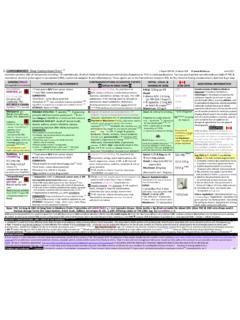
1 ANTICHOLINERGICS: Reference List of Drugs with Potential Anticholinergic Effects 1, 2, 3, 4, 5 J Bareham BSP Aug 2021 WHENEVER POSSIBLE, AVOID DRUGS WITH MODERATE TO HIGH ANTICHOLINERGIC ACTIVITY IN OLDER ADULTS (>65 YEARS OF AGE) Low Anticholinergic Activity; Moderate/High Anticholinergic Activity -B in combo Beers Antibiotics ampicillin *ALL AVAILABLE AS cefOXitin GENERIC clindamycin gentamicin (Oint & Sol n NIHB covered) piperacillin vancomycin Antidepressants amitriptyline ELAVIL clomiPRAMINE ANAFRANIL desipramine NORPRAMIN doxepin >6mg SINEQUAN imipramine TOFRANIL nortriptyline AVENTYL -less anticholinergic effects than amitriptyline & imipramine trimipramine SURMONTIL ---------------------------------------- ---------------------------------------- --------------- citalopram CELEXA escitalopram CIPRALEX FLUoxetine PROZAC fluvoxaMINE LUVOX PARoxetine PAXIL sertraline ZOLOFT ---------------------------------------- ---------------------------------------- --------------- buPROPion wellbutrin .
2 ZYBAN desvenlafaxine PRISTIQ DULoxetine CYMBALTA mirtazapine REMERON moclobemide MANERIX phenelzine NARDIL traZODone TRAZOREL venlafaxine EFFEXOR In the elderly, citalopram CELEXA & sertraline ZOLOFT are the usually preferred SSRIs. Antihistamines/Antipruritics brompheniramine COUGH&COLD PRODUCTS OTC chlorpheniramine CHLOR-TRIPOLON OTC cyproheptadine PERIACTIN OTC diphenhydrAMINE BENADRYL OTC doxylamine UNISOM hydrOXYzine ATARAX pyrilamine MIDOL, PAMPRIN OTC trimeprazine PANECTYL triprolidine COTRIDIN Preferred Alternatives: cetirizine REACTINE & fexofenadine ALLEGRA (controversial rating as medium/ high activity) , desloratadine AERIUS , loratadine CLARITIN . Antimuscarinics/Incontinence Meds darifenacin ENABLEX fesoterodine TOVIAZ flavoxate URISPAS mirabegron MYRBETRIQ oxybutynin DITROPAN ( on XL only)
3 Propiverine MICTORYL PEDIATRIC solifenacin VESICARE on SPDP tolterodine l-tartrate DETROL LA on SPDP trospium TROSEC Antiparkinsonian amantadine SYMMETREL benztropine mesylate COGENTIN bromocriptine PARLODEL carbidopa/levodopa SINEMET entacapone COMTAN ethopropazine PARSITAN phenelzine NARDIL pramipexole MIRAPEX procyclidine KEMADRIN selegiline ELDEPRYL trihexyphenidyl ARTANE Antipsychotics ARIP iprazole ABILIFY & MAINTENA asenapine SAPHRIS ( -BPAD) chlorproMAZINE LARGACTIL cloZAPine CLOZARIL flupentixol FLUANXOL fluPHENAZine MODITEN haloperidol HALDOL loxapine LOXAPAC lurasidone LATUDA methotrimeprazine NOZINAN OLANZ apine ZYPREXA paliperidone INVEGA ( on injection only) pericyazine NEULEPTIL perphenazine TRILAFON pimozide ORAP QUEtiapine SEROQUEL risperiDONE RISPERDAL ( on injection) trifluoperazine STELAZINE ziprasidone ZELDOX zuclopenthixol CLOPIXOL Antiseizure Drugs carBAMazepine TEGRETOL divalproex EPIVAL OXcarbazepine TRILEPTAL valproic acid DEPAKENE Preferred Alternatives: divalproex EPIVAL, gabapentin NEURONTIN, lamotrigine LAMICTAL, levetiracetam KEPPRA.
4 Antispasmotics dicyclomine FORMULEX, BENTYLOL glycopyrrolate ROBINUL hyoscine butylbromide BUSCOPAN Benzodiazepines ALPRAZ olam XANAX half-life: ~12 hr chlordiazePOXIDE LIBRIUM half-life: ~100 hr clonazePAM RIVOTRIL half-life: ~34 hr clorazepate TRANXENE half-life:~100 hr diazePAM VALIUM half-life: ~100 hr flurazepam DALMANE half-life:~100 hr LORazepam ATIVAN half-life: ~15 hr midazolam VERSED half-life: ~3 hr oxazepam SERAX half-life: ~8 hr temazepam RESTORIL half-life: ~11 hr triazolam HALCION half-life: ~2 hr Avoid long- & ultra-short acting agents in the elderly. (Clonazepam ok, if long-acting required chronic anxiety) Cardiovascular Agents atenolol TENORMIN captopril CAPOTEN chlorthalidone GENERIC ONLY digoxin LANOXIN, TOLOXIN dilTIAZem CARDIZEM, TIAZAC dipyridamole PERSANTINE, AGGRENOX disopyramide RYTHMODAN furosemide LASIX hydrALAZINE APRESOLINE isosorbide ISORDIL metoprolol LOPRESOR NIFE dipine ADALAT quiNIDine GENERIC ONLY triamterene DYRENIUM warfarin COUMADIN Gastrointestinal Agents atropine LOMOTIL on SPDP.
5 Belladonna GENERIC ONLY bisacodyl BISACODYL OTC chlordiazepoxide/clidinium LIBRAX cimetidine TAGAMET dicyclomine BENTYLOL dimenhyDRINATE GRAVOL OTC diphenoxylate/atropine LOMOTIL on SPDP, domperidone MOTILIUM famotidine PEPCID OTC & Rx loperamide IMODIUM OTC if used short term meclizine BONAMINE metoclopramide MAXERAN nizatidine AXID prochlorperazine STEMETIL if used short term promethazine PHENERGAN OTC raNITI dine ZANTAC OTC & Rx -low anticholinergic activity if adjusted for renal function scopolamine TRANSDERM V OTC on SPDP, Preferred Alternatives: bisacodyl , PPIs, domperidone.
6 Famotidine, or ranitidine if 150mg/day Respiratory Meds aclidinium bromide TUDORZA GENUAIR aclidinium/formoterol DUAKLIR GENUAIR fluticasone/salmeterol ADVAIR ipratropium/salbutamol ATROVENT/COMBIVENT glycopyrronium SEEBRI BREEZHALER glycopyrronium/Indacaterol ULTIBRO BREEZHALER pseudoephedrine COUGH & COLD PRODUCTS OTC theophylline THEOLAIR, UNIPHYL tiotropium SPIRIVA tiotropium/olodaterol INSPIOLTO umeclidinium INCRUSE ELLIPTA umeclidinium/vilanterol ANORO ELLIPTA umeclidinium/vilanterol/fluticasone TRELEGY ELLIPTA TO MINIMIZE SYSTEMIC EFFECTS OF INHALATIONAL MEDS: AVOID OVERUSE, USE AEROCHAMBER FOR IPRATROPIUM INHALER. Immunosuppressants azaTHIO prine IMURAN cyclosporine NEORAL hydrocortisone CORTEF methylprednisolone MEDROL prednisone WINPRED Muscle Relaxants baclofen LIORESAL ( on intrathecal only) cyclobenzaprine FLEXERIL methocarbamol ROBAXIN OTC orphenadrine NORFLEX OTC tiZANidine ZANAFLEX Baclofen is the preferred agent of the above listed muscle relaxants however, it does display moderate to high anticholinergic activity.
7 Opioids meperidine DEMEROL*Not for chronic use codeine ( on controlled release only, , inj & liquid) fentaNYL DURAGESIC HYDRO morphone DILAUDID, HYDROMORPH CONTIN on CR only morphine STATEX, , KADIAN oxyCODONE SUPEDOL, OXY IR OXYNEO traMADol ULTRAM, RALIVIA, TRIDURAL, ZYTRAM XL Preferred Alternatives: acetaminophen , NSAIDs ( ibuprofen, naproxen) Miscellaneous busPIRone BUSPAR celecoxib CELEBREX colchicine GENERIC ONLY ketotifen ophthalmic ZADITOR lithium CARBOLITH, DURALITH metformin GLUCOPHAGE, GLYCON, g methotrexate GENERIC ONLY naratriptan AMERGE pancuronium GENERIC ONLY SUMA triptan IMITREX ZOLM itriptan ZOMIG _____ = Possible preferred alternatives = Denotes agents with anticholinergic activity that may be better tolerated than others.
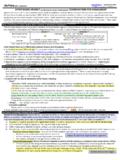
8 Whenever possible, anticholinergic drugs should be avoided, & the preferred agents used. = Unable to confirm anticholinergic activity (black font) AChEI = Acetylcholinesterase Inhibitor ( donepezil ARICEPT, galantamine REMINYL, rivastigmine EXELON) CR = Controlled Release Formulation PPI = Proton Pump Inhibitor ( rabeprazole) OTC = Over-the-counter = Saskatchewan Health finds co-administration of this agent with a AChEI acceptable = If patient is currently on this medication, Saskatchewan Health will NOT cover AChEI SSRIO ther TCA 154 Drugs with Anticholinergic Effects 5,6,7,8 Diseases associated with an essential cholinergic deficit include Alzheimer s dementia, Lewy body dementia & to some extent other dementias (not frontal). Anticholinergic drugs worsen the deficit & are therefore highly problematic. Donepezil ARICEPT, rivastigmine EXELON, and galantamine REMINYL are reversible inhibitors of the enzyme acetylcholinesterase. Because of the mechanism of action, medications with anticholinergic effects can interfere with the activity of donepezil, rivastigmine and galantamine.
9 The reverse page of this document contains a list of drugs with anticholinergic effects, with an emphasis on those with moderate to high activity. Drug coverage (in Sask.) may be affected if a patient is using a drug on this list concurrently with donepezil, rivastigmine or galantamine. Not only is drug coverage of concern, the use of drugs with anticholinergic activity can increase the risk of adverse effects ( , cognitive dysfunction, delirium) in the elderly. Drugs with low anticholinergic activity may be good alternatives to drugs with more anticholinergic activity. For example, SSRIs with lower anticholinergic activity are preferred over tricyclics for treatment of depression in the elderly. However, it s not just the use of single drugs with significant anticholinergic activity that can cause trouble. Individuals who take multiple medications with low anticholinergic activity may also have increased risk of adverse effects. In fact, even small increases in so-called anticholinergic burden or load increases the risk of morbidity & mortality in older Total Anticholinergic Load: both highly anticholinergic drugs plus others ( digoxin, paroxetine, ranitidine) contribute to the anticholinergic load & cognitive impairment.
10 Review each medication the patient is taking. Spectrum of Anticholinergic Side-Effects Mild Moderate Severe Dryness of mouth (modest) Moderately disturbing dry mouth/thirst Speech problems Reduced appetite Difficulty chewing, swallowing, speaking Impaired perception of taste & texture of food Dental decay, periodontal disease, denture misfit Mucosal damage Malnutrition Respiratory infection Mild dilatation of pupils Inability to accommodate Vision disturbances Dizziness Increased risk of accidents & falls leading to decreased function Exacerbation/precipitation of acute angle closure glaucoma Esophagitis Reduced gastric secretions, gastric emptying (atony) Reduced peristalsis, constipation Fecal impaction (in patients with constipation) Altered absorption of concomitant medications Paralytic ileus, pseudo-obstruction Urinary hesitancy Urinary retention, urinary tract infection (in patients with urinary hesitancy) Increased heart rate Conduction disturbances supraventricular tachyarrhythmias Exacerbation of angina Congestive heart failure Decreased sweating Thermoregulatory impairment leading to hyperthermia (heat stroke).