Transcription of Appendix 3. Hand Hygiene and Glove Use …
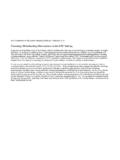
1 Appendix 3. Hand Hygiene and Glove Use Monitoring Form Unit/Dept.: _____ Day of Week: _____ Date: _____/_____/_____ Time: ____:____AM/PM to ____:____AM/PM Initials _____. Type of Healthcare Worker Type of contact Hand Hygiene Gloves Hand Hygiene Adherence (circle only one) Patient Environment before Required Used after Hand Hygiene Glove use Overall 1 D N TH PH XR ES TR OT Y N Y N Alc HW N Y N Y N Alc HW N Y N Y N NA Y N. 2 D N TH PH XR ES TR OT Y N Y N Alc HW N Y N Y N Alc HW N Y N Y N NA Y N. 3 D N TH PH XR ES TR OT Y N Y N Alc HW N Y N Y N Alc HW N Y N Y N NA Y N.
2 4 D N TH PH XR ES TR OT Y N Y N Alc HW N Y N Y N Alc HW N Y N Y N NA Y N. 5 D N TH PH XR ES TR OT Y N Y N Alc HW N Y N Y N Alc HW N Y N Y N NA Y N. 6 D N TH PH XR ES TR OT Y N Y N Alc HW N Y N Y N Alc HW N Y N Y N NA Y N. 7 D N TH PH XR ES TR OT Y N Y N Alc HW N Y N Y N Alc HW N Y N Y N NA Y N. 8 D N TH PH XR ES TR OT Y N Y N Alc HW N Y N Y N Alc HW N Y N Y N NA Y N. 9 D N TH PH XR ES TR OT Y N Y N Alc HW N Y N Y N Alc HW N Y N Y N NA Y N. 10 D N TH PH XR ES TR OT Y N Y N Alc HW N Y N Y N Alc HW N Y N Y N NA Y N.
3 11 D N TH PH XR ES TR OT Y N Y N Alc HW N Y N Y N Alc HW N Y N Y N NA Y N. 12 D N TH PH XR ES TR OT Y N Y N Alc HW N Y N Y N Alc HW N Y N Y N NA Y N. 13 D N TH PH XR ES TR OT Y N Y N Alc HW N Y N Y N Alc HW N Y N Y N NA Y N. 14 D N TH PH XR ES TR OT Y N Y N Alc HW N Y N Y N Alc HW N Y N Y N NA Y N. 15 D N TH PH XR ES TR OT Y N Y N Alc HW N Y N Y N Alc HW N Y N Y N NA Y N. 16 D N TH PH XR ES TR OT Y N Y N Alc HW N Y N Y N Alc HW N Y N Y N NA Y N. 17 D N TH PH XR ES TR OT Y N Y N Alc HW N Y N Y N Alc HW N Y N Y N NA Y N.
4 18 D N TH PH XR ES TR OT Y N Y N Alc HW N Y N Y N Alc HW N Y N Y N NA Y N. 19 D N TH PH XR ES TR OT Y N Y N Alc HW N Y N Y N Alc HW N Y N Y N NA Y N. 20 D N TH PH XR ES TR OT Y N Y N Alc HW N Y N Y N Alc HW N Y N Y N NA Y N. 21 D N TH PH XR ES TR OT Y N Y N Alc HW N Y N Y N Alc HW N Y N Y N NA Y N. 22 D N TH PH XR ES TR OT Y N Y N Alc HW N Y N Y N Alc HW N Y N Y N NA Y N. 23 D N TH PH XR ES TR OT Y N Y N Alc HW N Y N Y N Alc HW N Y N Y N NA Y N. 24 D N TH PH XR ES TR OT Y N Y N Alc HW N Y N Y N Alc HW N Y N Y N NA Y N.
5 25 D N TH PH XR ES TR OT Y N Y N Alc HW N Y N Y N Alc HW N Y N Y N NA Y N. 26 D N TH PH XR ES TR OT Y N Y N Alc HW N Y N Y N Alc HW N Y N Y N NA Y N. 27 D N TH PH XR ES TR OT Y N Y N Alc HW N Y N Y N Alc HW N Y N Y N NA Y N. 28 D N TH PH XR ES TR OT Y N Y N Alc HW N Y N Y N Alc HW N Y N Y N NA Y N. 29 D N TH PH XR ES TR OT Y N Y N Alc HW N Y N Y N Alc HW N Y N Y N NA Y N. 30 D N TH PH XR ES TR OT Y N Y N Alc HW N Y N Y N Alc HW N Y N Y N NA Y N. Type of Healthcare Worker: D = attending, fellow, resident, PA, med stud; N = nurse, aide, TH = therapist (RT, PT, OT); Total # of Y.
6 PH = phlebotomy/IV team; XR = radiology technician; ES = environmental services; TR = transporter; OT = other Hand Hygiene before/after: Alc = alcohol-based hand rub; HW = handwashing with soap and water; N = none % Adherence % % %. Gloves Required: Y if isolation requiring gloves or contact involves an invasive procedure or contact with blood, body fluids, secretions/excretions, mucous membranes, or non-intact skin; N if not Adherence: Hand Hygiene -- Y if patient contact and hand Hygiene before and after are both Y or if environmental contact only and hand Hygiene after is Y; N = if not / Glove use -- Y if Gloves Required and Used are both Y; N if Gloves Required is Y and Used is N.
7 NA if Gloves Required is N / Overall adherence -- Y if Hand Hygiene is Y and Glove use is Y or NA; N if not Institute for Healthcare Improvement, Page 31. Appendix 3. Hand Hygiene and Glove Use Monitoring Form (continued). Instructions: 1. Each row should be used to record an encounter between one healthcare worker (HCW) and one patient that involves touching by the HCW of the patient or the patient's immediate environment. In situations involving and extended or complicated encounter, it is appropriate to use more than one row (see #4 below).
8 Encounters that do not involve touching ( , only verbal communication between the HCW and the patient) should not be recorded. 2. An encounter may involve patient contact, environmental contact or both. 3. Patient contact involves touching the patient's body, gown, or clothes. Environmental contact involves touching the patient's bed or bed linen, bedside equipment, or other equipment, supplies, articles, or surfaces in the patient's bedspace or room. 4. For the purposes of this measurement exercise, an encounter begins when a healthcare worker enters the patient's room or approaches the patient's bedside (for multibed rooms) and ends when the healthcare worker leaves the room or bedside.
9 In a situation where a patient requires extended or complicated care (such as in an ICU), an encounter may involve multiple contacts and it may be appropriate to record these individually if they are distinct activities. For example, a nurse may perform multiple patient care tasks at the bedside, complete this care, and then begin a series of contacts with the patient's environment. Or a nurse may complete a task that involves contact with mucous membranes and secretions, such as suctioning a patient, and then take on a separate task at a separate body site, such as changing a dressing.
10 To the extent that these contacts can be observed and distinguished clearly, they may be recorded separately on separate rows. 5. The observer must be aware of whether a patient is on any type of isolation precautions that require the use of gloves. This information is necessary to determine whether gloves are required (see below). 6. For patient contact, the observer should be aware of the nature of the contact. This information is necessary to determine whether gloves are required (see below). It is important to distinguish three general subtypes of patient contact: a.