Transcription of B-Cell Research: Flow cytometry tools for the study …
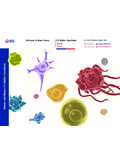
1 B-Cell ResearchFlow cytometry tools for the study of B-Cell biology2 Cover Illustration: Fairman Studios, LLC3B cells remain an active area of research because they play a critical role in the immune system, and because perturbations in B-Cell development or function are implicated in several disease states. Understanding the basis of B-Cell function and dysfunction is of particular interest for the development of new vaccines and B-Cell research : Providing Innovative and Flexible Ways to study B-Cell Phenotypes and FunctionsFor more than two decades researchers have made significant discoveries about B-Cell biology and phenotypes using BD Biosciences flow cytometry products, including instruments, reagents, and continues to support researchers by introducing innovative tools to study multiple aspects of B-Cell biology.
2 Newly defined, key markers include the transcription factors Blimp-1 and XPB-1s, which allow analysis of these key regulators in different B-Cell subsets. To support and simplify the detection of these critical intracellular molecules in B cells by flow cytometry , we offer antibodies validated for flow cytometry , as well as optimized buffer systems for make multicolor flow cytometry more accessible, BD continually optimizes methods for panel design and offers markers in a wide selection of fluorochromes. Innovations in dyes further simplify doing more complex, multimarker brochure illustrates how the following innovative systems can be successfully applied to study B-Cell development and function.
3 Cell Surface Markers to identify cells from heterogenous samplesBrighter Fluorochromes to detect even rare or dim subsetsBD Cytometric Bead Array (CBA) to measure secreted immunoglobulins and cytokinesIntracellular Markers and specialized buffers and protocols to detect transcription factors, phospho-signaling proteins, and cytokines within individual cellsFrom intracellular and surface markers to secreted proteins and functional assays, BD Biosciences offers the latest reagents and methods to study B-Cell biology in health and schematic is not intended to be comprehensive, and markers can be altered as a result of cellular environment, differentiation state, and other cells pass through a number of developmental stages both before and after exposure to antigens.
4 As they mature and differentiate, they give rise to multiple functionally distinct subsets. Differential expression of cell surface and intracellular markers, as well as their distinct immunoglobulin and cytokine secretion profiles, provide valuable clues to the diverse nature and function of the different B-Cell example, the expression of syndecan-1 (CD138) distinguishes circulating plasmablasts and plasma cells , the professional antibody-secreting B cells , from other developmental and functional support the use of multicolor flow cytometry for the study of B cells , BD offers a wide portfolio of reagents for B-Cell phenotyping. They are available in multiple formats, to provide maximum flexibility in panel design.
5 We continue to add new specificities as new markers schematic summarizes the main developmental and differentiation stages, as well as some of the key markers associated with each B-Cell subset in mouse and B-Cell MaturationB cells originate from hematopoietic stem cells (HSCs) located in bone marrow, where they pass through the first stages of development. The still immature B cells then migrate to secondary lymphoid tissues, where most of them continue their development into mature follicular B When the B-Cell receptor (BCR) complex of a mature B cell, consisting of the membrane-bound (m) forms of IgM and IgD, binds its cognate foreign antigen, the cell becomes activated and differentiates into an antibody-secreting plasma Subsets with Different FunctionsB cells also follow alternative differentiation pathways from those of conventional B cells , resulting in subsets that have distinct functions and marker expression patterns.
6 For example, marginal-zone (MZ) B cells function as innate-like cells . Unlike conventional B cells , they can be activated through Toll-like receptor (TLR)-ligation, bypassing the BCR. They also tend to express CD1d and CD21, but not ,2 B-Cell subsets with regulatory function have been identified and are distinguished by their ability to secrete IL-10 or TGF- 4B cells : Subsets and MarkersA dynamic area of researchSummary of the key developmental stages and markers of B cellsPro-BPre-BPlasma celllong livedPlasmablastGerminal center BActivated BTransitional BImmature BPlasma cell short livedRegulatory B?IgM IgM IgM+, IgD IgMhigh, IgDlowIgMlow, IgD+IgM/G/A/E+, IgDvarIgM+, IgD+IgM/G/A/E+IgM/G/A/E+, IgD IgM+, IgDlowPeripheral selectionBP1, Flt3, ckitlow CD43low, ckit CD43, CD23 IgMhigh, IgDvarIg Ig CD34, ckitckit, CD27, IL7 RCD19, CD37, CD20,GL7, Siglec2 Pre-Pro-BCD19, ckitlow, CD24lowIgM ckitlowckitlowHuman positive markersBone marrowlocationCells circulating in bothmarrow and lymphoid locations2 lymphoidorgan locationMouse negative markersMouse positive markersHuman negative markersMemory BImmunoglobulinIRF4 XBP1 IRF4 XBP1CD93, CD38lowCD27, CD10lowCD20.
7 CD138 Marginal Zone BPositiveselectionNegative selectionHeavy and light chains rearrangementMigration to 2 lymphoid organsShuttling bonemarrow/ 2 lymphoidorgansAntigendependentactivation 1 - Somatic - Class switchBone marrow generatedsurvival signalExpression ofCyclin E1 Development ofconventional B cellsCD43, CD93, CXCR4,B220, Flt3, IL7 RCD19, CD43, CD24,B220, IL7 RCD19, CD25var, CD24,B220, BP1, Siglec-G, IL7 RCD19, CD24, CD93,B220CD19, CD24, CD93,CD21var, CD23var, B220CD1d, CD9, CD21high,CD22high, CD35high,B220 CD1dhigh, CD5, CD19,CD24, TIM CD19, CD22, CD23,CD38, B220CD27, 69, CD80, B220,Flt3, MHC IIhighCD19, CD138, CXCR4,MHC IICD138, CXCR4highCD138, CD93, CXCR4highB220, CD38var, CD62 LvarCD80var, CD95lowCD93, CD23CD62L, CD93varCD1dlow, CD21/35lowCD93CD138, CXCR4B220low, Flt3CD19, CD38lowB220low, MHCIICD19, CD38lowB220low, MHCIIlowCD34, CD10, CD38CD10, CD19, CD34,CD38, CD24, IL7/3 RCD10, CD19, CD20,CD24, CD38, IL7/4/3 RCD10, CD19, CD20,CD21, CD40, CD24high,CD38high, IL4 RCD19, CD20, CD5, CD21,CD24high, CD38highCD1c, CD19, CD20,CD21high, CD27varCD1dhigh, CD5, CD19,CD21, CD24highCD19, CD20, CD21,CD22, CD23, CD24CD27, CD19, CD20,CD25, CD30, CD69,CD80, CD86, CD135CD10, CD19, CD20,CD23, CD27, CD38high,CD269, BCMACD19, CD38high, CD27high,CD269, MHCIICXCR4, CD27, CD38high,CD138.
8 CD269 CXCR4, CD27, CD38high,CD138, CD269CD19, CD20, CD40,CD27var, CXCR4,5,7CD27varCD10, CD27,CD38low, CD24lowCD24lowCD19low, CD20,MHCIICD19low, CD20,MHCIIlowCD23low, CD38 Transcription factorsPax5 EBF1 BDEVELOPMENT5 Analysis of B-Cell MaturationWith a comprehensive selection of antibodies to mouse and human markers, BD can support a wide variety of phenotyping panels for the study of B cells across all developmental illustrate the use of differential marker expression for B-Cell analysis, seven cell surface markers were used to analyze B-Cell subsets in mouse bone marrow, allowing discrimination of seven different developmental phases in this , Pro-B, and Pre-B cells could be distinguished within the low positive CD45R/B220 population based on their differential expression of BP1 and CD24.
9 Immature, transitional, and early and late mature B cells could be segregated based on differential expression of IgM and IgD. The expression of the IL-7 receptor, CD127, was analyzed in these different subsets, and was shown to decrease as B cells celllong livedPlasmablastGerminal center BActivated BTransitional BImmature BPlasma cell short livedRegulatory B?IgM IgM IgM+, IgD IgMhigh, IgDlowIgMlow, IgD+IgM/G/A/E+, IgDvarIgM+, IgD+IgM/G/A/E+IgM/G/A/E+, IgD IgM+, IgDlowPeripheral selectionBP1, Flt3, ckitlow CD43low, ckit CD43, CD23 IgMhigh, IgDvarIg Ig CD34, ckitckit, CD27, IL7 RCD19, CD37, CD20,GL7, Siglec2 Pre-Pro-BCD19, ckitlow, CD24lowIgM ckitlowckitlowHuman positive markersBone marrowlocationCells circulating in bothmarrow and lymphoid locations2 lymphoidorgan locationMouse negative markersMouse positive markersHuman negative markersMemory BImmunoglobulinIRF4 XBP1 IRF4 XBP1CD93, CD38lowCD27, CD10lowCD20.
10 CD138 Marginal Zone BPositiveselectionNegative selectionHeavy and light chains rearrangementMigration to 2 lymphoid organsShuttling bonemarrow/ 2 lymphoidorgansAntigendependentactivation 1 - Somatic - Class switchBone marrow generatedsurvival signalExpression ofCyclin E1 Development ofconventional B cellsCD43, CD93, CXCR4,B220, Flt3, IL7 RCD19, CD43, CD24,B220, IL7 RCD19, CD25var, CD24,B220, BP1, Siglec-G, IL7 RCD19, CD24, CD93,B220CD19, CD24, CD93,CD21var, CD23var, B220CD1d, CD9, CD21high,CD22high, CD35high,B220 CD1dhigh, CD5, CD19,CD24, TIM CD19, CD22, CD23,CD38, B220CD27, 69, CD80, B220,Flt3, MHC IIhighCD19, CD138, CXCR4,MHC IICD138, CXCR4highCD138, CD93, CXCR4highB220, CD38var, CD62 LvarCD80var, CD95lowCD93, CD23CD62L, CD93varCD1dlow, CD21/35lowCD93CD138, CXCR4B220low, Flt3CD19, CD38lowB220low, MHCIICD19, CD38lowB220low, MHCIIlowCD34, CD10, CD38CD10, CD19, CD34,CD38, CD24, IL7/3 RCD10, CD19, CD20,CD24, CD38, IL7/4/3 RCD10, CD19, CD20,CD21, CD40, CD24high,CD38high, IL4 RCD19, CD20, CD5, CD21,CD24high, CD38highCD1c, CD19, CD20,CD21high, CD27varCD1dhigh, CD5, CD19,CD21, CD24highCD19, CD20, CD21,CD22, CD23, CD24CD27, CD19, CD20,CD25, CD30, CD69,CD80, CD86, CD135CD10, CD19, CD20,CD23, CD27, CD38high,CD269, BCMACD19, CD38high, CD27high,CD269, MHCIICXCR4, CD27, CD38high,CD138.