Transcription of BUS STOP DESIGN STANDARDS & GUIDELINES
1 bus stop DESIGN STANDARDS & GUIDELINESJuly 21, 2015 TRANSFORT bus stop DESIGN STANDARDS AND GUIDELINES ACKNOWLEDGEMENTS:Technical Advisory CommitteeNoah Al Hadidi, CSU StudentSarah Allmon, Barrier Busters Public Transportation Advisory Group (PTAG)Vivian Armendariz, CitizenMichael Devereaux, PTAG, Commission on DisabilityKathryn Grimes, Bike Advisory CommissionJamie Rideoutt, Lamar Advertising CompanyEd Roberts, Transportation Board (past member)Carol Thomas, Transfort Safety, Security and Training ManagerProject Management TeamEmma Belmont, Transfort Transit PlannerSteve Gilchrist, Traffic Traffic EngineerAaron Iverson, FC Moves Senior Transportation PlannerTim Kemp, Engineering Civil Engineer IIITom Knostman, Streets Pavement EngineerKathleen Walker, Transfort Operations ManagerGraphics and FormattingSlate Communications BHA DESIGN IncorporatedTRANSFORT bus stop DESIGN STANDARDS AND GUIDELINES CONTENTS1.
2 OVERVIEW THE DEVELOPMENT OF THESE STANDARDS AND INTEGRATION WITH OTHER STANDARDS GUIDANCE2. THE BIG TRANSIT SYSTEM OVERVIEW bus stop INSTALLATION AND UPGRADE HOW DOES IT HAPPEN? OBSTACLES TO IMPROVING TRANSIT bus stop MAINTENANCE AND ADVERTISING3. STREET-SIDE STOP STOP IN-STREET TECHNICAL DETAILS4. CURB-SIDE UNIVERSAL DESIGN AND ADA ACCESSIBILITY bus stop bus stop TYPE DETERMINATION5. NEXT TRANSFORT bus stop IMPROVEMENT RECOMMENDED FUTURE ACTIONS6. bus stop DEVELOPMENT LAND USE CODE SECTION TECHNICAL DESIGNS (As Incorporated into Larimer County Urban Area Street STANDARDS ) CITIZEN ADVISORY COMMITTEE LETTER OF SUPPORTTRANSFORT bus stop DESIGN STANDARDS AND GUIDELINES 11.
3 PURPOSEThe purpose of the bus stop DESIGN STANDARDS and GUIDELINES document is to assist City staff, developers, local partners and private property owners in locating and designing bus stops and their associated passenger amenities within the City of Fort Collins as well as the greater Transfort service area. The document consists of five chapters: Overview discusses how to use the STANDARDS and guidance The Big Picture discusses the transit network as it currently exists and the envisioned future of transit service in Fort Collins Street-side Characteristics discusses the factors associated with the roadway that influence bus operations Curb-side Characteristics discusses the factors associated with the comfort.
4 Safety and convenience of patrons at bus stops Next Steps discusses Transfort s approach to pursue capital improvements and outlines related action items related to bus stop accessibilityTRANSFORT bus stop DESIGN STANDARDS AND GUIDELINES THE DEVELOPMENT OF THESE STANDARDS AND GUIDANCEThis guidance document was created with the assistance of a Citizen Advisory Committee (CAC), created by Transfort, comprised of local transit riders, cycling advocates, safety specialists, urban designers, students, media professionals, Transfort staff and other interested parties. The CAC members included individuals with a wide range of abilities and experiences with the transit network.
5 A project management team (PMT) of City staff also assisted in the development of this document. This group focused on the technical components and safety considerations as they relate to bus stops. The following City departments were represented in the PMT: Engineering, FC Moves, Planning, Streets, Traffic, and addition, Transit Cooperative Research Program (TCRP) Report 19 GUIDELINES for the Location and DESIGN of Bus Stops, as well as various other transit agency bus stop DESIGN documents, provided best practices and general guidance in the development of the STANDARDS and guidance outlined in this INTEGRATION WITH OTHER STANDARDS AND GUIDANCET here are various tools that work in tandem with this STANDARDS and guidance document.
6 Within the Transfort department, other important guidance tools that may provide guidance on facilities and services include: Transfort Strategic Operating Plan (TSOP), Transfort Operating Manual (TOM), and Transfort Service STANDARDS . Additional documents that govern site development include: Fort Collins Land Use Code (LUC) and Larimer County Urban Area Street STANDARDS (LCUASS). If conflicts arise between these documents, the more specific and/or stringent standard will bus stop DESIGN STANDARDS AND GUIDELINES 32. THE BIG INTRODUCTIONBus stops are a critical part of the transit system as they serve as the first point of contact between the customer and the service.
7 In addition, bus stop placement throughout the community acts to promote alternative modes of transportation to the traveling public. The spacing, location and DESIGN all affect the operation of the transit system and, in turn, the transit patron s satisfaction. The STANDARDS and guidance in this document are intended to guide the DESIGN of transit stops that complement their immediate surroundings, meet the transit patron s comfort and safety needs, and support an efficient transit placement of transit stops is guided by safety considerations, community context, patron s origins and destinations, opportunity, and Transfort s strategic planning efforts.
8 The TSOP is Transfort s long range planning tool; however, it is possible that community growth and change will occur in ways not anticipated by the TSOP, and therefore routes and bus stops may be different from those envisioned in the TSOP. The TSOP proposed long range routes are depicted in Figure 2 TRANSIT SYSTEM OVERVIEWThe City of Fort Collins operates its own transit system, which is branded as Transfort. Transfort operates fixed route transportation within the City of Fort Collins and in parts of unincorporated Larimer County. Complementary paratransit service is contracted to and operated by Veolia Transportation.
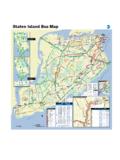
9 A regional express route, known as FLEX, is provided through a partnership between Fort Collins, Loveland, Berthoud, Longmont and Boulder County. Transfort bus stops are located within Fort Collins city limits as well as in unincorporated Larimer County, the City of Loveland, the Town of Berthoud, Boulder County and the City of s route map (August 2015) is provided below in Figure 1. Following Figure 1 is a map of the long range vision for transit service in and surrounding Fort Collins, Figure 2. This map illustrates the TSOP vision for a full transition into a productivity-based grid system.
10 It incorporates the Phase 3 planned routes, along with additional recommendations from other adopted plans TRANSFORT bus stop DESIGN STANDARDS AND GUIDELINES 4and new routes that have been added since the TSOP s adoption. The purpose of this map is to indicate where new bus stops will be located as development occurs throughout the TRAILTAFT HILL 1 Transfort All Routes Map (Effective August 2015)TRANSFORT bus stop DESIGN STANDARDS AND GUIDELINES 5 Figure 2 Transfort Strategic Operating Plan Phase 3 Routes and Proposed ChangesTRANSFORT bus stop DESIGN STANDARDS AND GUIDELINES bus stop INSTALLATION AND UPGRADE HOW DOES IT HAPPEN?