Transcription of Cartooning - Seymour Middle School
1 CartooningDrawing & Painting 1 What is a cartoon? a visual humorous comment about something that s familiar to all of us. a laugh at the truth shows some of the foibles and ridiculousness about normal life a moment that s been singled out as different from the next one a marriage of a funny idea with a funny drawing Consensus?A cartoon is an instant communication of a funny ideaWhat makes up a cartoon? Cast of characters Dialog or caption Movement & Composition Setting & Mood5-minute discussion Do you agree with this consensus definition of cartoons? Can you think of other cartoons that don t fit this definition?
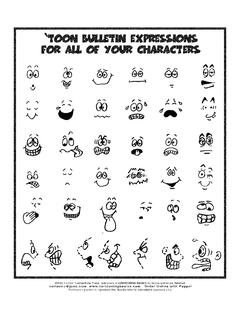
2 Think of the 4 main elements of a cartoon: characters, dialog, movement, and setting. Can you guess some examples of each? Why do we need each of them?Characters People*we immediately recognize from every day life generic and universal Stereotypical Auditioned Fictionalor non-fictional Livingor non-livingDialog Draw viewer s attention to the funny part Relate to the characters Matched Mismatched Polished PlacementMovement & Composition Gesture & Body language Facial expression Image sequence (left to right) Punch line goes at the end! Your audience can t appreciate a twist unless they first know what s straight.
3 How does the direction change the effect? BalanceSetting Specific place to indicate situation Background Costumes (accessories) PropsMood How the place is portrayed drawing style Contrast Texture Atmospheric perspective5-minute reflection What did you guess from your discussion that we talked about in the presentation? What were you surprised about? What don t you agree with? What do you still have questions about?The Deal with Give the impressionof a subject without exactly mirroring it Draw only the essenceof the form Leave space for viewer s imagination (they apply their own connection to it).
4 An interpretation rather than a reproduction. Mort GerbergDrawing Styles Hatching Crosshatching Pattern fill Motion Overlapped, repeated simplificationOther cultures: different lookWarm-up exercises DoodlingMake quick little sketches of anything you see or imagine(thumbnails) Practice drawing objects Free association thinking (mix and match objects) 3-minute ideaSketch someone in an action pose: draw the same body position but change what they re doing Ex. Look at somebody carrying a lunch tray; change it to carrying a __?__, pushing a __?__, doing the macarena, etc.