Transcription of CHRONIC NON-MALIGNANT PAIN (CNMP) General …
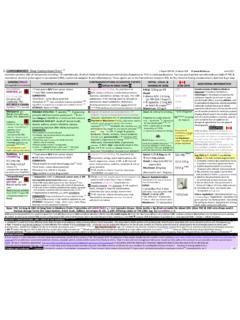
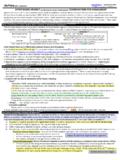
1 RxFiles Q&A Sept 2005 CHRONIC NON-MALIGNANT PAIN (CNMP) General pharmacological considerations supplement TablesThe attached tables supplement the RxFiles newsletter Opioids in CHRONIC NON-MALIGNANT Pain 1: Pain Conditions Specific Drug Therapy Options This table lists various specific pain related conditions that are often included in CNMP. It lists specific drugtherapy options that may be considered. Where possible it notes evidence from randomized controlled trials(RCTs) including numbers needed to treat (NNT) for one patient to benefit, and numbers needed to harm(NNH) for one person to withdraw from therapy due to an adverse event. Where possible, Cochrane /systematic reviews or meta-analysis of RCTs have been included.
2 In some cases, evidence is very limited. Dosages noted are those that were commonly studied or required to see a benefit. This often varies for theconditions listed. For example, the usual effective doses of amitriptyline in fibromyalgia are in the 10-50mg/day range; in post-herpetic neuraglia, the average effective amitriptyline dose was 75mg/day. In some cases, therapies that have conflicting evidence or have been ineffective are also noted as such. Although the chart focuses on drug therapies, the reader is reminded that non-drug therapies are essential forthe effective long-term management of CHRONIC 2: Overview of Drugs Used in Treatment of CHRONIC NON-MALIGNANT Pain (CNMP) Most of the drugs listed on this table are covered in more detail in the RxFiles Drug Comparison Chart , this chart notes some of the CNMP drug options, initial and usual doses, comparative cost, andcomments related to their use in that might change your Practice Amitriptyline is one of the best studied TCAs used in various pain conditions, but nortriptyline in a dose of25- 50mg HS may often be effective and better tolerated (less sedation, less dry mouth, less weight gain, etc.)
3 Gabapentin doses with evidence for effectiveness in neuropathic pain are often in the 900-1800mg/day range(~1800mg commonly required in trials); some patients lack benefit due to subtherapeutic dose. If you want a patient to have an adequate trial on a drug that often has side effects, start at a low dose, titrateup gradually, and counsel that side effects often diminish with 1-2 weeks. Initial and usual target doses arenoted where applicable in table 2. A gradual tapering can also reduce withdrawal syndromes. Choose a drug that may cover multiple complaints. ( a person with frequent headache/migraine and weight gainconcerns may benefit from topiramate; however remember tolerability, cost and evidence lacking in CNMP) Topical agents (capsaicin, NSAIDs, lidocaine 5%, morphine if painful open ulcer) may have a role in select conditions.
4 Sleep is a frequent concern. If pain is a cause of poor sleep, consider a longer-acting analgesic to cover thenighttime period and/or agents that are helpful in sleep/pain disorders (amitriptyline 10-50mg HS, methotrimemprazine 5-25mg HS). Other anecdotal pearls: 1) corticosteroid spray topically to decrease fentanyl patch irritation. 2) Haldol HS-BID PRN to reduce severe nausea but avoid sedation. 3) Weight gabapentin dosing towards bedtime ( 300mgBID, 600mg HS) to reduce daytime side effects. 4) If fentanyl patch required but too potent, uncover only half ofpatch (or tape half) to decrease dose. 5) In some locales, generic hydromorphone has lower street value than ) 10% of Caucasians can not metabolizeCYP2D6 codeine or tramadol to active metabolites; thus considered opioid naiveNew Drugs Included in the Tables1.
5 Pregabalin LYRICA an anticonvulsant indicated for post-herpetic neuralgia and diabetic neuropathy in Canada. has not been directly compared to current alternative gabapentin. It is new thus lacking long-termsafety data, and costs a fair bit more than gabapentin or TCAs (see chart). Side effects such as dizziness,somnolence, weight gain, edema and abnormal thinking are likely to be a concern at higher dosages. the risk of peripheral edema increases with glitazones ( ACTOS, AVANDIA)2. Tramadol/Acetaminophen TRAMACET Tramadol is a weak mu opioid agonist with actions on serotonin and noradrenaline. It has beenpreviously available in other countries but is new to North America. It is indicated in Canada for acutepain for a maximum of 5 days.
6 It carries an increased seizure risk, and the potential for addictionalthough this is often thought to be lower than comparative opioids. Its use in CNMP will be limited bythe need for frequent dosing, the acetaminophen component, and the relatively high cost compared toTylenol #3 and other opioids. (The long-acting form of tramadol is not yet available in Canada.)3. SATIVEX some brief information will be included in our Q&A - Cannabinoids an Overview Oct 2005 PAIN CHRONIC NON-MALIGNANT (CNMP): General pharmacological considerations 1L. Regier BSP - Sep 2005 Non-pharmacologic Therapy: Behavioral, psychosocial & physical therapies areessential in the successful long-term management. Interdisciplinary intervention may drug requirements Pain reduction and improved function, not painelimination, is the goal of drug therapy.
7 Those withCNMP must be helped to refocus on positive,incremental gains. Dedicated therapists and/or CNMP programs are helpful. {Consider role of: exercise, pacing, heat, ice,TENS, cognitive-behavioral, relaxation, spiritual, acupuncture, etc.}Medication / Analgesic History: Ask about use of over-the-counter (OTC) productsincluding acetaminophen, Tylenol #1 with codeine,ibuprofen, relaxants, herbals, laxatives, etc. Trends inwhen various medications are used is helpful. Evaluatetotal acetaminophen dose & risk of toxicity from overuse. Common Statements: I ve tried that and it didn t work! Assess whetherdose & duration of trial was adequate: what exactly wastaken, at what dose, and for how long? It had too many side effects!
8 Evaluation of side effecthistory should consider whether initial dose was too high,and whether patient knew that many side effects go awayover time. Dry mouth is common, and can often berelieved with an artificial saliva agent ( Oral Balance Gel). Ask about drugs of abuse: street drugs, alcohol, can affect how drugs may work or are Induced Headache (MIH): Also called analgesic rebound headache Generally resolves on discontinuation of drug up to 6-8wks {acetaminophen, NSAIDs, opioids, caffeine, ergots, etc.} Outpatient: gradual tapering; if on short acting agents,may switch to long-acting first; Migraine prevention Inpatient: dihydroergotamine (DHE) IV in NS Protocolgiven with metoclopramide 10mg may be ,3 Approach to analgesics: One at a time drug therapy changes allow for moreaccurate assessment of any beneficial or adverse effect.
9 Specific pain syndromes or types of pain may havepreferred drug options based on varying levels ofevidence and practicality (see table 1: Pain Conditions).{Evidence is limited in CHRONIC pain; most trials are small,of short duration, and moderate in design quality.} Adequate trial of suitable non-opioid analgesics and/oradjunct agents is recommended before considering opioids. Try alternate drugs within a therapeutic class beforedetermining that the class is ineffective. Continuous pain: use regularly administered agent(s); thiswill serve to prevent pain, and allows tolerance todevelop to most of the bothersome side effects. Intermittent pain: consider whether an agent can be usedjust prior to activity or in conditions that trigger 1: Pain Conditions Specific Drug Therapy Options L RegierSep 05 Pain Related ConditionsSpecific Drug Therapy Options {Daily target doses based on trials to date} 1 Trigeminal Neuralgia (TN)Anticonvulsants: carbamazepine DOC,FDA 200mg qid; NNT= 4, may effect at 3yrs, (+/-baclofen 60mg/d synergistic?)
10 ; gabapentin 900-2400mg/d; lamotrigine 150-400mg/d; phenytoin;Topical anaesthetics: 4% tetracaine & bupivicaine option if do not tolerate carbamazepine; BOTOX 5 {Drug Causes (rare): digoxin, nitrofurantoin}Diabetic Neuropathy 6,7 (DN)TCAs NNT 2; NNH=16: (amitriptyline, desipramine or imipramine) ~100mg/d; nortriptyline 20-50mg/d; TCA +/- fluphenazine 2-3mg/d; venlafaxine 150-225mg/d NNT= @6wks 8;Anticonvulsants: gabapentin ~1800mg/d; Cochrane:NNT=3 , pregabalin 300-600mg/d; NNT>3, sodium valproate 1000mg/d 9, lamotrigine 200-400mg/d 10; SSRI s: less effective than TCAsTopical Anaesthetics: lidocaine patch 5%, capsaicin crm or qid ; glucose control intensive - prevent progression; Vitamin: thiamine 25mg/d & pyridoxine 50mg/d;Opioids (oxycodone CR 10-40mg q12h NNT= )11; mexiletine 300-900mg/d ineffective in RCTs; {Not in Canada: Duloxetine CYMBALTA 60-120mg/d an SNRI approved for DN FDA; no comparative trials}Post-Herpetic Neuralgia12,13,14,15 (PHN)TCAs: (nortriptyline, amitriptyline75mg/d, desipramine) NNT= ; Anticonvulsants: gabapentin 1800mg/d, NNT= ; NNH= , pregabalin 600mg/d, NNT= ; NNH= (16 for 300mg/d dose),divalproex sodium 1000mg/d; Opioids morphine, (oxycodone NNT= ; NNH=38); Topical: lidocaine 5% gel or patch.