Transcription of COMMITTEE FOR VETERINARY MEDICINAL …
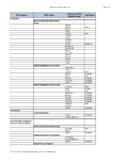
1 The European Agency for the Evaluation of MEDICINAL Products7 Westferry Circus, Canary Wharf, London, E14 4HB, UKSwitchboard: (+44-171) 418 8400 Fax: (+44-171) 418 8447E_Mail: EMEA 1999 Reproduction and/or distribution of this document is authorised for non commercial purposes only provided the EMEA is acknowledgedEMEA/MRL/571/99-FINALF ebruary 1999 COMMITTEE FOR VETERINARY MEDICINAL PRODUCTSMELOXICAMSUMMARY REPORT (2)1. meloxicam (4-hydroxy-2-methyl-N-(5-methyl-2-thiazo lyl)-2H-1,2-benzothiazine-3-carboxamide- 1,1-dioxide) is a non-stereoidal anti-inflammatory drug (NSAID) belonging to the group of enolic is indicated as adjunctive therapy in combination with antibiotic therapy, for theprevention or moderation of acute primary or secondary clinical symptoms associated with bovinerespiratory infections. The substance is intended to be administered intravenously or subcutaneouslyin non-lactating cattle in single doses of mg/kg , meloxicam is included in Annex III of Council Regulation (EEC) No 2377/90 inaccordance with the following table:Pharmacologicallyactive substance(s)MarkerresidueAnimalspeciesMR LsTargettissuesOtherprovisionsMeloxicamM eloxicamBovine25 g/kg60 g/kg35 g/kgMuscleLiverKidneyProvisional MRLs expireon information requested for the establishment of final MRLs for meloxicam has now meloxicam inhibits the synthesis of prostaglandin E2 by inhibiting the constitutive cyclo-oxygenaseeffects: meloxicam has anti-inflammatory, anti-pyretic and analgesic properties and the induciblecyclooxygenase.
2 Compared to several other NSAIDs tested meloxicam was shown to be the mostselective inhibitor of inducible cyclo-oxygenase pharmacological in several species including humans, probably due to inhibition of induciblecyclooxygenase. Water-soluble forms of meloxicam showed identical pharmacological activity butwere in most cases slightly more potent than meloxicam . meloxicam had no effect on hexobarbitonesleeping time in mice. Furthermore, meloxicam had minor or no effects on the cardiovascular andrespiratory systems in anesthetized cats and dogs as well as conscious dogs and in the guinea pigLangendorff preparation. meloxicam had no anticonvulsant activity and did not affect the motilitysensory function or reflexes in pharmacological effects: the main side-effects of meloxicam are ulcerogenic activity in thegastro-intestinal tract, nephrotoxicity and disturbances of reproduction, probably due to inhibition ofconstitutive cyclo-oxygenase.
3 Treatment of rats with meloxicam was associated with minorreductions in urine volume, urine sodium and a marked increase in uric acid excretion as well as anincrease in urinary The three main metabolites (5-hydroxymethyl-, 5-carboxy- and oxalyl-metabolite) of meloxicamfound in rats and humans, showed negligible activity when tested for anti-inflammatory activity andcyclooxygenase Pharmacokinetic studies were conducted in rats, mice, dogs, mini-pigs (intravenous and/or orally,single and repeated dosing) and the target animal cattle (single dose of mg/kg bw intravenouslyand subcutaneously to calves and repeated dosing of mg/kg bw for 5 days to calves) withunlabelled or 14C-labelled EMEA 1999 meloxicam was well absorbed after oral administration in mice and dogs, with the oral bioavailabilitybeing at least 70% in mice and 100% in dogs.
4 In calves the availability after subcutaneousadministration was variable with a calculated mean of 92% compared to intravenous concentrations in blood were found to decline with elimination half-lives of approximately 4 to6 hours in mice and mini-pigs, 20 to 58 hours in rats and dogs and 24 to 28 hours in calves. Extensiveoral absorption and bioavailability and a relatively long half life, resembling that found in rats anddogs, have also been found for meloxicam in Sex and strain differences in the pharmacokinetics of meloxicam were found in rats. Thus blood drugconcentrations in female rats were 2 to 4 times greater than those in males after a single dose and atsteady-state. A longer drug half-life was also observed in female (38 to 58 hours) than in male rats(13 to 36 hours), and excretion in females was slower.
5 Evidence for a similar sex difference wasneither found in other laboratory species tested nor in the target drug levels in pigmented animals were 6 to 10 times lower than in albino rats, Cmax wasattained much more rapidly ( to 1 hours) and drug excretion was also more rapid in pigmented thanin non-pigmented Autoradiography and measurement of the total radioactivity showed that meloxicam was distributedto all tissues in the rat and penetrated the central nervous system (small amounts), muscle layers andinflamed joints. There was no evidence for retention or accumulation in any tissues includingpigmented tissues after single or repeated crossed the placenta of pregnant rats and was detected in foetal tissue at levels similar tothose found in the placenta, which remained below plasma drug levels. meloxicam and/or metaboliteswere excreted in rat milk, with levels in milk increasing relative to those in plasma over 1 to 24 hoursafter dosing.
6 In the single dose study as well as in the repeated-dose study in calves, the highestconcentrations of radioactivity were in liver, followed by kidney and bile (single dose study) at allsacrifice time points (up to 8 days). Comparatively low concentrations were found in skeletal muscleand meloxicam was found to be highly bound to plasma proteins in rats (greater than 99%), mice, dogsand mini-pigs (greater than 96%). In calves plasma protein binding was found to be greater ex vivo and greater than 98% in Radiolabelled meloxicam was found to be excreted in both urine and faeces. Excretion waspredominantly via urine in rats and mice (approximately 65 to 70% of the dose) and equally dividedbetween urine and faeces in humans, mini-pigs and cattle. There were no differences in drugexcretion after oral or intravenous dosing, and minor differences in drug excretion with repeateddosing in mini-pigs and rats.
7 The majority of the excreted dose was recovered within 2 to 3 days aftertreatment in mice, mini-pigs and cattle (after the last dose in the repeated dose study) and within 1 to4 days in meloxicam is extensively metabolised in rats, mice, mini-pigs, humans and cattle and the metaboliteprofile in plasma and excreta is qualitatively similar in rats, mini-pigs and cattle (including edibletissues). In urine less than 10% of a dose was excreted as unchanged meloxicam . The majormetabolites found in all species were the 5'-hydroxy methyl- (10 to 50% of radioactivity) and 5'-carboxy- (4 to 35% of radioactivity) metabolites. The oxalyl metabolite was found in humans (30 to35%), rats (25 to 30%) and cattle (4 to 10%), but not in mini-pigs and mice. A highly polar metabolitewas found in cattle urine, but not in urine from the other species.
8 Repeated administration ofmeloxicam produced no qualitative changes of metabolism compared to single administration. Ratmilk contained 20% higher levels of metabolites than plasma. Studies with the 5'-hydroxymethyl andthe 5'-carboxy metabolites in rats indicate a rapid excretion with the major portion of both compoundseliminated within 1 to 2 The acute oral toxicity for meloxicam has been investigated in rats (strains: Sprague Dawley andChbb:THOM), minipigs, mice and rabbits. For Sprague Dawley rats the oral LD50 was greater than200 mg/kg bw and mg/kg bw for males and females, respectively. For Chbb:THOM rats the oralLD50 was mg/kg bw (females and males together). In mini-pigs the oral LD50 was approximately1600 mg/kg bw, in mice 470 mg/kg bw and in rabbits 320 mg/kg EMEA 199911. Repeated-dose toxicity was evaluated in three strains of rats (Chbb:THOM, Sprague Dawley andWistar (intravenously: 4 weeks, orally: 4, 13, 26, 52, 78 weeks)), mice (orally: 13 weeks), micro- andmini-pigs (intravenously: 4 and 5 weeks and orally: 13 and 52 weeks).
9 Shorter term tolerance studieswere also performed in dogs (orally: 3 and 4 weeks). Doses in rats, mice, pigs and dogs were in thedose range of to 10 mg/kg bw, 8 to 35 mg/kg bw, 1 to 10 mg/kg bw and to mg/kg bw,respectively. The primary target organs for toxicity were the gastrointestinal tract and kidneys. Deathsduring treatment with meloxicam were associated with gastric and renal toxicity. Gastrointestinallesions consisted of ulcers, particularly in the pyloric region of the stomach, but also in the duodenumand in some animals further along the small intestine, coagulated blood in gastrointestinal tract,peritonitis, gastric erosion, gastric dilation and/or callous thickening. Renal changes consisted ofscarring, granular surface, presence of gritty concrement, necrosis and pyelonephritis.
10 Organ weightanalysis revealed weight increases of the spleen and kidneys. Once the treatment ceased the severityof toxicity and extent of reversibility were dependent on dose and duration of treatment. Female ratswere more severely affected than male rats, consistent with higher blood levels of meloxicam infemales compared to males. The sex difference in sensitivity was not observed in mini-pigs and rats the oral NOEL could be established to mg/kg bw, in the 52-week feeding study in Wistarrats as well as after intravenous treatment for 4 weeks in Chbb:THOM rats. Minipigs were relativelyinsensitive to meloxicam with a NOEL of 1 mg/kg bw derived from a 13 weeks and a 52 weeks studyfollowing oral administration. In dogs a NOEL of mg/kg was determined in the 4-week , in the 3-week study occult blood was observed even in the lowest dose ( mg/kg bw) anda NOEL could not be Tolerance studies have been performed in cattle.