Transcription of COMMUNITY DEVELOPMENT EVALUATION MANUAL - …
1 COMMUNITY DEVELOPMENT EVALUATION MANUALA guide to planning and evaluating COMMUNITY DEVELOPMENT work with refugee communities 2 Published by the NSW Service for the Treatment and Rehabilitation of Torture and Trauma Survivors (STARTTS)First published 2012 Text prepared by Emma Pittaway and Georgia Swan STARTTS 2012 All rights reserved. This work is copyright, but permission is given for refugee COMMUNITY organisations and not-for-profit COMMUNITY DEVELOPMENT and refugee settlement service organisations to make copies by photocopying or other duplicating purposes for use within their organisations.
2 This permission does not extend to the making of copies for use outside the organisations, nor for the making of copies for hire, sale or resale to third permission to use these materials outside these guidelines, or to obtain copies of the MANUAL , please contact:NSW Service for the Treatment and Rehabilitation of Torture and Trauma Survivors (STARTTS)152-168 The Horsley DrCarramar NSW 2163 AustraliaPO Box 203 Fairfield NSW 2165T: +61 2 9794 1900F: +61 2 9794 ABN: 151 363 722 48 ISBN: 978-0-646-58385-3 3 ACKNOWLEDGEMENTSThis EVALUATION MANUAL is the product of extensive collaboration with STARTTS staff and external EVALUATION would like to thank the following people for contributing to the production of the material:Paul Bullen for providing valuable EVALUATION expertise; Dayamanthi Muthukumarage for creating the graphics; Antje Rummel for the design.
3 And the many STARTTS colleagues who provided input and support, especially: Susan Maddrell, Samira Hassan, Elizabeth Schaffer, Susan Cunningham, Sussan Omar, Lina Ishu, and Patrick overall support of the concept and process, special thanks to Jorge Aroche, CEO of STARTTS, and Jasmina Bajraktarevic-Hayward, STARTTS COMMUNITY Services 3 Glossary of key terms 6 The purpose of this MANUAL 9 Context of the
4 MANUAL 10 How to use this MANUAL 10 Part 1: COMMUNITY DEVELOPMENT 11 The COMMUNITY DEVELOPMENT process 121.
5 Getting to know each other 132. Clarifying roles and skills 133. Grounding practice in COMMUNITY DEVELOPMENT principles 144. Defining the project and its objectives 165. Allowing the project to emerge and evolve 16 COMMUNITY DEVELOPMENT worker good practice checklist 17 STARTTS approach to COMMUNITY DEVELOPMENT 18 Part 2: EVALUATION principles 19 Why evaluate?
6 20 Principles of COMMUNITY DEVELOPMENT EVALUATION 20 Participatory EVALUATION 21 Empowerment EVALUATION 22 Ethical EVALUATION 23 Informed Consent 24 Confidentiality 26 Reciprocal benefit
7 26 Types of monitoring vs. EVALUATION 27 Participation 27 Monitoring vs. EVALUATION 27 Process, outcomes and impact EVALUATION 28 Part 3: planning an EVALUATION 31 Step 1.
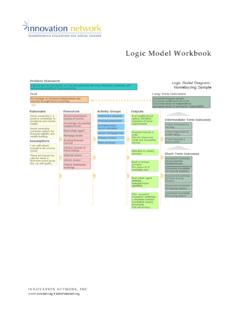
8 Setting the project goal and objectives 35 Using then logic 37 Step 2: Clarifying EVALUATION purpose and scope 38 Stakeholder engagement 39 Responsibility and resources 40 What type of EVALUATION is appropriate?
9 41 Ethical considerations 425 Step 3: Defining the EVALUATION questions 43 Step 4: Identifying the information you need 45 Using indicators 46 Step 5: Deciding on data collection methods 48 Qualitative or quantitative data?
10 49 Tri a n g ul ati o n 50 Date collection techniques 51 Data collection timeline 57 Step 6: Deciding on data analysis techniques 59 Qualitative data analysis 60 Quantitative data analysis 62 Step 7.