Transcription of Cytarabine Injection - Pfizer
1 Cytarabine InjectionPHARMACY BULK PACKAGE NOT FOR DIRECT INFUSIONRx only WARNING Only physicians experienced in cancer chemotherapy should use Cytarabine induction therapy patients should be treated in a facility with laboratory and supportive resources sufficient to monitor drug tolerance and protect and maintain a patient compromised by drug toxicity. The main toxic effect of Cytarabine Injection is bone marrow suppression with leukopenia, thrombocytopenia and anemia. Less serious toxicity includes nausea, vomiting, diarrhea and abdominal pain, oral ulceration, and hepatic physician must judge possible benefit to the patient against known toxic effects of this drug in considering the advisability of therapy with Cytarabine Injection .
2 Before making this judgment or beginning treatment, the physician should be familiar with the following Injection , an antineoplastic, is a sterile solution of Cytarabine for intravenous and subcutaneous use which contains no preservative and is available in 20 mg/mL (1000 mg/50 mL) Pharmacy Bulk Package. A Pharmacy Bulk Package is a container of a sterile preparation for parenteral use that contains many single doses. The contents are intended for use in a pharmacy admixture program and are restricted to the preparation of admixtures for intravenous mL contains 20 mg Cytarabine , USP and the following inactive ingredients: sodium chloride and Water for Injection When necessary, the pH is adjusted with hydrochloric acid and/or sodium hydroxide to a target pH of Each vial contains approximately mEq sodium.
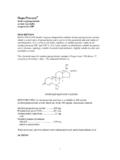
3 Cytarabine is chemically 4-amino-1- -Darabinofuranosyl- 2(1H)-pyrimidinone. The structural formula is: Cytarabine is an odorless, white to off-white, crystalline powder which is freely soluble in water and slightly soluble in alcohol and in PHARMACOLOGYCell Culture Studies: Cytarabine is cytotoxic to a wide variety of proliferating mammalian cells in culture. It exhibits cell phase specificity, primarily killing cells undergoing DNA synthesis (S-phase) and under certain conditions blocking the progression of cells from the G1 phase to the S-phase. Although the mechanism of action is not completely understood, it appears that Cytarabine acts through the inhibition of DNA polymerase. A limited, but significant, incorporation of Cytarabine into both DNA and RNA has also been reported.
4 Extensive chromosomal damage, including chromatid breaks have been produced by Cytarabine and malignant transformation of rodent cells in culture has been reported. Deoxycytidine prevents or delays (but does not reverse) the cytotoxic Resistance and Sensitivity: Cytarabine is metabolized by deoxycytidine kinase and other nucleotide kinases to the nucleotide triphosphate, an effective inhibitor of DNA polymerase; it is inactivated by a pyrimidine nucleoside deaminase, which converts it to the nontoxic uracil derivative. It appears that the balance of kinase and deaminase levels may be an important factor in determining sensitivity or resistance of the cell to Pharmacology: Cytarabine is rapidly metabolized and is not effective orally; less than 20 percent of the orally administered dose is absorbed from the gastrointestinal tract.
5 Following rapid intravenous Injection of Cytarabine , labeled with tritium, the disappearance from plasma is biphasic. There is an initial distributive phase with a half-life of about 10 minutes, followed by a second elimination phase with a half-life of about 1 to 3 hours. After the distributive phase, more than 80 percent of plasma radioactivity can be accounted for by the inactive metabolite 1- -D-arabinofuranosyluracil (ara-U). Within 24 hours about 80 percent of the administered radioactivity can be recovered in the urine, approximately 90 percent of which is excreted as constant plasma levels can be achieved by continuous intravenous infusion. After subcutaneous or intramuscular administration of Cytarabine labeled with tritium, peak-plasma levels of radioactivity are achieved about 20 to 60 minutes after Injection and are considerably lower than those after intravenous fluid levels of Cytarabine are low in comparison to plasma levels after single intravenous Injection .
6 However, in one patient in whom cerebrospinal fluid levels are examined after 2 hours of constant intravenous infusion, levels approached 40 percent of the steady state plasma level. With intrathecal administration, levels of Cytarabine in the cerebrospinal fluid declined with a first order half-life of about 2 hours. Because cerebrospinal fluid levels of deaminase are low, little conversion to ara-U was Action: Cytarabine is capable of obliterating immune responses in man during administration with little or no accompanying toxicity. Suppression of antibody responses to E-coli-VI antigen and tetanus toxoid have been demonstrated. This suppression was obtained during both primary and secondary antibody also suppressed the development of cell-mediated immune responses such as delayed hypersensitivity skin reaction to dinitrochlorobenzene.
7 However, it had no effect on already established delayed hypersensitivity 5-day courses of intensive therapy with Cytarabine , the immune response was suppressed, as indicated by the following parameters: macrophage ingress into skin windows; circulating antibody response following primary antigenic stimulation; lymphocyte blastogenesis with phytohemagglutinin. A few days after termination of therapy there was a rapid return to AND USAGEC ytarabine in combination with other approved anticancer drugs is indicated for remission induction in acute non-lymphocytic leukemia of adults and children. It has also been found useful in the treatment of acute lymphocytic leukemia and the blast phase of chronic myelocytic leukemia.
8 Intrathecal administration of Cytarabine is indicated in the prophylaxis and treatment of meningeal Injection is contraindicated in those patients who are hypersensitive to the drug. WARNINGS (See boxed WARNING) Cytarabine is a potent bone marrow suppressant. Therapy should be started cautiously in patients with pre-existing drug-induced bone marrow suppression. Patients receiving this drug must be under close medical supervision and, during induction therapy, should have leucocyte and platelet counts performed daily. Bone marrow examinations should be performed frequently after blasts have disappeared from the peripheral blood. Facilities should be available for management of complications, possibly fatal, of bone marrow suppression (infection resulting from granulocytopenia and other impaired body defenses and hemorrhage secondary to thrombocytopenia).
9 One case of anaphylaxis that resulted in acute cardiopulmonary arrest and required resuscitation has been reported. This occurred immediately after the intravenous administration of and at times fatal CNS, GI and pulmonary toxicity (different from that seen with conventional therapy regimens of Cytarabine ) has been reported following some experimental dose schedules. These reactions include reversible corneal toxicity, and hemorrhagic conjunctivitis, which may be prevented or diminished by prophylaxis with a local corticosteroid eye drop; cerebral and cerebellar dysfunction including personality changes, somnolence and coma, usually reversible; severe gastrointestinal ulceration, including pneumatosis cystoides intestinalis leading to peritonitis; sepsis and liver abscess; pulmonary edema, liver damage with increased hyperbilirubinemia; bowel necrosis; and necrotizing colitis.
10 Rarely, severe skin rash, leading to desquamation has been reported. Complete alopecia is more commonly seen with experimental high dose therapy than with standard Cytarabine treatment programs. If experimental high dose therapy is used, do not use a preparation containing benzyl of cardiomyopathy with subsequent death have been reported following experimental high dose therapy with Cytarabine in combination with cyclophosphamide when used for bone marrow transplant syndrome of sudden respiratory distress, rapidly progressing to pulmonary edema and radiographically pronounced cardiomegaly has been reported following experimental high dose therapy with Cytarabine used for the treatment of relapsed leukemia from one institution in 16/72 patients.