Transcription of Dangerous Goods - CARGOBOOK
1 GoodsExplosives: materials that can detonate and explode, for example, gelignite, dynamite, nitropil, various detonators, ammunition and gases: gases that can ignite in air or on contact with an ignition source, for example LGP and Flammable Non toxic Gases: gases that can displace atmospheric oxygen causing asphyxiation. These materials are often storedunder pressure causing an additional hazard. Examples include nitrogen, carbon dioxide and Gasses: gases that are liable to cause death if inhales, for example, chlorine gas and anhydrous Liquids: liquids thar produce vapours that can ignite in air on contact with an ignition source.
2 Examples include: petrol, benzene, acetone, MEK and Solids: solid materials that can give off enough vapours for ignition to occur. Examples include: sulphur, carbon and red Combustible: materials that can emit flammable or toxic gases if contacted by water. For example sodium, zinc dust, calcium carbide and When Wet: materials that emit flammable or toxic gases if contacted by water. For example: sodium, zinc dust, calcium carbide and zinc Agents: materials that can release oxygen and increase the intensity and burning rate of a fire. Examples include sodium nitrate, potassium chlorate, ammonium nitrate and calcium Peroxides: materials that have the ability to provide both fuel and oxygen if involved in a fire.
3 These materials are generally unstable and need to be stored under refrigeration. Examples include: methyl ethyl ketone peroxide, and various fiberglass Substances: materials that can cause death or injury when swallowed, inhaled or brought into contact with skin. An example of this Substances: examples of these materials generally include viruses, bacteria and other pathogens plus various items of material Materials: materials that emit ionizing radiation, whick can effect the body s cells and disrupt other metabolic processes. Examples include uranium, plutonium and Substances: materials that can cause serious damage on contact with the skin or damage the airway if vapours are breathed in.
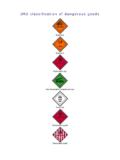
4 Examples include hydrochloric acid, sulphuric acid, nitric acid and caustic Dangerous Goods : materials that present a hazard nor covered by any of the above classes. The danger associated with the material is usually unique to that substance. Examples include dry ice, asbestos, hot bitumen and molten 1 EXPLOSIVESCLASS gasesCLASS Non Flammable Non toxic GasesCLASS GassesCLASS 3 Flammable LiquidsCLASS SolidsCLASS CombustibleCLASS When WetCLASS AgentsCLASS PeroxidesCLASS SubstancesCLASS SubstancesCLASS 7 Radioactive MaterialsCLASS 8 Corrosive SubstancesCLASS 9 Miscellaneous Dangerous GoodsThe hazards of Dangerous Goods are identified by diamond shaped symbols known aw class labels.