Transcription of Dangerous Goods Emergency Response Chart …
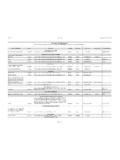
1 Dangerous Goods Emergency Response Chart Hazard class Division and Compatibility Group Dangerous Goods class Hazard Description Immediate Action Minimise leakage and contact with other cargo Explosives (Acceptable on Cargo Aircraft only) Fire and minor blast hazard and/or minor propulsive hazard Notify Fire Department Guard Against fire Fire, But no other Significant hazard Explosives (safety) Small fire hazard Flammable Gas Non-Flammable Gas Cryogenic Liquid Ignites when leaking High pressure cylinder bursting Sub cooling Notify Fire Department Evacuate Goods Ventilate area Keep away Minimum 25 m Toxic Gas (acceptable on Cargo Aircraft only)
2 High pressure cylinder and toxic inhalation 3 Flammable Liquid Ignites when leaking Notify Fire Department Do not use water under any circumstances Flammable Solid Spontaneously Combustible Dangerous when wet Combustible, contributes to fire Ignites in contact with air Ignites in contact with water Oxidizer Organic Peroxide Ignites combustibles on contact Reacts violently with other substances Notify Fire Department Do not use water Poison Infectious Substance Harmful if swallowed, inhaled or in contact with skin Causes disease in Humans and Animals Isolate area Obtain qualified assistance Do not touch Keep away Minimum 25 m 7 Cat I 7 Cat II/III Radioactive White Radioactive Yellow Radiation hazards and h Harmful to health 8 Corrosive Hazardous to skin and metal Notify Fire Department Avoid contact with skin 9 Polymeric Beads Magnetized Material Dry Ice Miscellaneous Dangerous Goods Evolves small quantities of flammable gas Affects navigation system Causes sub cooling/suffocation hazards not covered by other classes Avoid contact with skin No immediate
3 Action required