Transcription of DKA TREATMENT PROTOCOL Barbara Davis Center …
1 12012-2013 DKA TREATMENT PROTOCOL Barbara Davis Center for Childhood Diabetes, University of Colorado & Children s Hospital Colorado Diabetic ketoacidosis (DKA) is a life-threatening condition. One in 100 children with DKA dies in the USA. Those with severe DKA have a much higher mortality and risk of complications. Meticulous attention to the details of therapy and the child's clinical course can decrease this risk. A patient who is unresponsive to vocal commands or presents with hypotension is rare and requires immediate critical care in a hospital. Urgent critical care and diabetes consultation should be obtained. In Colorado and the Rocky Mountains Region, the Barbara Davis Center for Childhood Diabetes at the University of Colorado and Children s Hospital Colorado offer acute care to patients with DKA and advice to any provider encountering a child with DKA. Please feel free to contact immediately our physician on call regarding TREATMENT of any child with possible or confirmed DKA.
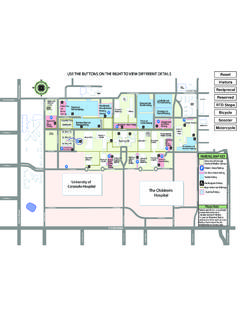
2 During working hours Barbara Davis Center physicians can be reached for advice at 303-724-2323. After hours a physician can be reached through the answering service at 303-388-2626. For direct admission of acutely sick patient contact Children s Hospital Colorado Emergency Department at 720-777-6888. On call physicians may also be contacted for physician to physician consultation through Children s Hospital Colorado One Call at 720-777-3999. The Barbara Davis Center is an outpatient diabetes TREATMENT Center and a research facility. It is part of the University of Colorado, School of Medicine, and provides diabetes care for Children s Hospital Colorado. It is located on the Anschutz Medical Center campus at 1775 Aurora Court (Colfax and Aurora Court two blocks west of Colfax & I-225). 2I. DKA Definition: A state of absolute or relative insulin deficiency resulting in hyperglycemia, dehydration and accumulation of ketone bodies in the blood with subsequent metabolic acidosis (pH < ; serum bicarbonate < 15 mmol/L).
3 The severity of DKA is defined by the venous pH. Severe DKA is defined by a pH < and usually will require TREATMENT in the ICU. Moderate DKA is defined by a pH of and can usually be treated on the ward. A pH > is mild DKA and usually can be treated in the ED over a 4-6 hour time period, or on the floor, if admission is otherwise required. II. Causes of DKA: A. Initial presentation of type 1 diabetes mellitus B. Missed insulin injections or insulin pump failure C. Inadequate insulin dosage in a known diabetic patient D. Emotional stress/ trauma/surgery without adequate insulin adjustment E. Intercurrent illness/infection without appropriate insulin adjustment III. Clinical Presentation A. History (key points) 1. Classic triad = polydipsia, polyuria, and weight loss (polyphagia is unusual in children) 2. Vomiting/abdominal pain 3. Increased, difficult, or deep respirations 4. Symptoms of infection/flu (may be similar to those of DKA) 5.
4 Illness in family members or close friends 6. In a known diabetic: *when and how much insulin was last taken? *missed shots? *emotional stress as clues to missed shots? B. Physical exam 1. Vital signs 2. Hydration status/peripheral perfusion/hypovolemic shock? 3. Acetone-fruity breath 4. Kussmaul respirations 5. Neurologic status 6. Signs of infection C. Initial labs-stat 1. For diagnosis: blood glucose and urine ketones. A simple urine dipstick and/or a meter glucose level in an ED or office may make a diagnosis and save a life. If abnormal, obtain consultation. THINK ABOUT DIABETES - DO A UA! 2. Serum glucose, electrolytes including Na+, K+, HCO3 and BUN, venous pH and PC02. [Arterial PC02 less than 20 mmHg may be an important predictor of cerebral edema in severe DKA. (pH < ). 3. Serum osmolality*, calcium, phosphorus. *serum osmolality should be calculated in all, and measured in severe DKA and/or dehydration; however, this will give a slightly low value because serum Na+ will be factitiously low: serum Osmolality (mOsm/L)=2(Na+K) + glucose/18 + 3 Na correction for glucose: Corrected Na= measured Na + (serum glucose-100)( )/100 4.]
5 Appropriate cultures and/or UA if infection is suspected from H&P. Delay chest film until hydration is normalized. D. Follow-up lab 1. First four hours (or until glucose and electrolytes stable): q1hour serum glucose, electrolytes, and venous pH in severe DKA. 2. When glucose and electrolytes stable: q2 hour venous pH and electrolytes until the HCO3 is above 17 mEq/L. Note: continue to check bedside blood glucose q1hour while on insulin drip. 3. Other studies (osmolality, calcium, phosphorus, etc.) as indicated. 4. Flow sheet of I & O, lab values; catherterization may be necessary in the critically ill child, but ask to void hourly for I&O. IV. Management Theory: Any TREATMENT plan for DKA should be based on the underlying pathophysiology. Hyperglycemia and ketoacidosis induce important alterations in organ physiology. Hyperglycemia causes an osmotic diuresis and eventually leads to dehydration, electrolyte depletion, and hypertonicity.
6 Metabolic acidosis is partially compensated by hyperventilation and hypocapnia. These effects in turn cause changes in renal, CNS, and cardiovascular system functioning. Considering the above, the first therapeutic step is to restore extracellular fluid volume which has been depleted through osmotic diuresis and vomiting. Insulin must be given to allow normal carbohydrate utilization and to stop ketogenesis. Serum hyperosmolality should be normalized gradually and intracellular stores of potassium replenished. Severe acid/base disturbances need to be corrected both for homeostatic reasons and to permit optimally effective insulin action. Normal glycogen and fat stores, and protein synthesis also need to be restored over time. Medications which may alter mental status should be given with extreme caution. Agitated patients may have impending circulatory collapse or CNS catastrophe, which may be precipitated or masked by medications that alter mental status, , Ativan or Haldol.
7 V. Complications in treating DKA A. Dehydration/shock In the presence of severe dehydration, the tendency is to want to correct the dehydration very rapidly which can be VERY DANGEROUS (see cerebral edema below). However, decreased vascular volume and impending circulatory collapse also must be addressed and continued excessive urine output needs to be considered during the first several hours of therapy. Five percent albumin (10 ml/kg over 30 min) or other colloid should be given if severe shock is present or if there is still evidence of shock one hour after receiving saline (crystalloid). Measured replacement is suggested below in section VI (B). In patients with severe dehydration or in patients with severe mental status changes, intravascular pressure monitoring to follow hydration status is indicated. Disposition for ED, ICU, or Ward should not be made until initial laboratory values return. 4 B. Criteria for ICU Admission 1. Severe DKA, including long duration of symptoms, impaired circulation, depressed level of consciousness.
8 2. Children at increased risk for cerebral edema. 3. Under the age of 5. C. Hypokalemia - Hyperkalemia: Correction of acidosis results in intracellular movement of K+. Resultant hypokalemia may lead to muscular weakness (including diaphragmatic fatigue in an already exhausted patient) which may result in a respiratory arrest. (Hypokalemia or hyperkalemia may lead to cardiac arrhythmias or cardiac arrest.) D. Hypoglycemia While on a continuous IV infusion of insulin, the patient is at risk for hypoglycemia. Hourly glucose measurement and addition of dextrose to the IV solution when blood glucose falls to < 250 mg% should prevent the problem. It is appropriate to use 10% dextrose if glucose levels are <150 mg/dl on D5 and HCO3 not yet >17 mg% and, therefore not yet appropriate to discontinue IV insulin. For acute hypoglycemia, the insulin infusion may be discontinued for 15 minutes, then recheck the serum glucose and restart insulin with a higher concentration of dextrose.
9 If the patient can tolerate oral glucose, 2-4 ounces of juice may be given as well. E. Cerebral edema The major cause of death in childhood DKA. Children, in contrast to adults, develop cerebral edema if their rehydration is undertaken too rapidly, even in the hyperosmolar state. The etiology of cerebral edema is still unknown, but may result from unfavorable osmotic gradients (excessive free water) and /or cerebral anoxia. Recent evidence suggests a greater likelihood if the serum sodium concentration fails to rise as the serum glucose falls. Mahoney, et al. found: cerebral edema to be more likely with an arterial pH < , and PC02 <20, and in children receiving more than 50 cc/kg of fluid in the first 4 hours of TREATMENT . Usually seen in patients who are less than 15 years old who are severely dehydrated, very acidotic, and very hyperosmolar. Newly diagnosed patients who are < 5 years old seem to be at greatest risk.
10 Clinically the patient may complain of headaches or have a change in mental status hours after therapy for DKA has begun. In some there is a premonitory period when development of cerebral edema could be suspected if there is a change in arousal or behavior, severe headache, incontinence, pupillary changes, seizures, bradycardia, or disturbed temperature regulation. Early intervention before respiratory arrest is essential. Most often, the patient's lab values are improving as she/he appears to be worsening clinically. TREATMENT includes decreasing fluids (<70cc/kg/day or X Maintenance) and giving Mannitol (1 gm/kg over 30 minutes), elevating the head of the bed, intubation and hyperventilation until a pCO2 level of 30-35 mmHg is reached may be necessary, although many already have a pC02 less than 30 mmHg due to hyperventilation. Hypocapnea causes cerebral vasoconstriction. Mannitol may need to be repeated depending on the clinical condition of the patient.