Transcription of Dyslexia and Inclusive Practice: Professional Learning ...
1 Dyslexia and Inclusive Practice: Professional Learning Resource Improving Practice and Empowering Whole School Approaches to Support Learners For Scotland's learners, with Scotland's educators 1 A reflective and evaluative Professional Learning approach to improve practice and empower whole school approaches to support learners. This resource is not prescriptive and can be used by schools and local authorities with a range of improvement methodologies. The central message is simple: every learner matters and matters equally. The complexity arises, however, when we try to put this message into practice. Implementing this message will likely require changes in thinking and practice at every level of an education system, from classroom teachers and others who provide educational experiences directly, to those responsible for national policy . A Guide for ensuring inclusion and equity in education, Pg 12, UNESCO. :/48223/pf0000248254 2 Content Page The National Model of Professional Learning 3 Introduction 4 Developing an Inclusive school community 10 Empowerment 13 Professional Learning 15 The Scottish Context 16 Inclusive practice 17 Dyslexia 18 Learner Engagement and Participation 21 Family engagement and participation 26 Early identification, monitoring and support 28 Curriculum accessibility 30 Attainment 32 Supporting Inclusive schools through improvement methodology 35 Improvement Methodology 36 Annex A Professional Learning 42 Annex B Learner Participation Resources 48 Annex C Reflective Planning Tool 49 Annex D - Improvement Exemplar 50 Annex E - Springboard for reflective conversations to support improvement 51 3 The National Model of Professional Learning As education professionals you engage in Professional Learning to stimulate your thinking and to ensure your practice is critically informed and up-to-date.
2 The national model of Professional Learning identifies the key principles and features of effective Learning that will build capacity and promote collaborative practices. The model provides a shared language and aspiration, informing the provision, structure and nature of Learning . It also outlines the kinds of Learning that will empower and enable you to best meet the needs of learners. Further information on the national model of Professional Learning can be found at A range of resources which support the sustainable development of an Inclusive school community with the Scottish context will be highlighted. To support Professional development and dialogue Reflections for Improvement are included at the end of key focus area and are available collated together in Annex D. The resources in Annexes C, D and E can be downloaded separately in a word file and adapted as required. Within this resource the term family includes parents and carers. 4 Introduction Making Sense: Dyslexia and Inclusive Practice Programme This Professional Learning resource is one of several free resources which have been developed in response to the 2014 Education Scotland report Making Sense: Education for Children and Young People with Dyslexia in Scotland.
3 The Making Sense: Dyslexia and Inclusive Practice Programme supported the implementation of the report s five interlinking recommendations to improve the outcomes of learners with Dyslexia which the Scottish Government s response supported. Making Sense Report Recommendations: 1. Access to up-to-date practical advice for schools, learners and parents 2. High quality Career Long Professional Learning (CLPL) (school, local and national level) related to meeting the needs of learners with Dyslexia 3. Initial Teacher Education (ITE)/Postgraduate course content to include Dyslexia and additional support needs 4. Action to improve the quality of educational outcomes for learners with Dyslexia , highlighting Dyslexia friendly practice 5. Improved availability and use of reliable information on learners needs, development and achievements. Supporting the implementation of the five interlinking recommendations and additional achievements within the programme was made possible through the positive collaborative partnerships within the Making Sense Working Group and with all the contributing stakeholders.
4 The progress of the Making Sense: Dyslexia and Inclusive Practice Programme is detailed within the Final Report. 5 Dyslexia and Inclusive Practice: Professional Learning Resource This Professional Learning resource has been developed by Education Scotland, the Making Sense Working Group and stakeholders to support practitioners, schools and local authorities to. improve the quality of educational outcomes for learners with Dyslexia through collaborative enquiry and effective self-evaluation evidence the impact of the collaborative enquiry through evidenced based improvements fulfil statutory duties support Professional Learning on Inclusive practice further develop Inclusive practice for all learners within the school community build on partnerships within the Regional Improvement Collaboratives (RICs), developing opportunities to share practice and reduce duplication of resource development. The level of awareness and readiness for change will vary across schools and local authorities and this resource can be used to focus on specific areas for improvement to contribute to whole school Inclusive practice.
5 The Dyslexia and Inclusive Practice: Professional Learning Resource has been developed to support all five recommendations from the Making Sense report. However, there is a focus on Recommendation 4 and in particular Recommendation 4. Schools, local authorities and national partners should take action to improve the quality of educational outcomes for children and young people with Dyslexia . The Scottish Government should work with Dyslexia Scotland to consider national accreditation schemes for Dyslexia Friendly Schools and Dyslexia Friendly Authorities. 6 The Scottish Government, Education Scotland and Dyslexia Scotland supported several consultation and conversation events which focused on exploring the proposal of developing a Scottish accreditation award for Dyslexia friendly schools. The following areas were explored. What are Dyslexia friendly schools? Is an award accreditation scheme the most effective way to support and improve the outcomes for learners with Dyslexia ?
6 Could other models or approaches be more effective? What are Dyslexia Friendly schools? The Making Sense report highlighted the positive impact on the school community when they became Dyslexia Friendly. Key aims of Dyslexia Friendly schools are to enhance the impact of Learning and teaching on the child in the classroom and to ensure that teaching was multi-sensory and benefited all children, not just those with Dyslexia . The approach has developed over the years and is Inclusive and holistic, reflecting current research on effective positive Learning for children. A number of Kite marked Dyslexia Friendly School accreditation schemes have been developed which schools and local authorities can choose to participate in. Key features of Dyslexia Friendly schools are: Effective leadership and management Multi-sensory teaching approaches Effective early identification Effective transition support Learner engagement Parental engagement Accessible Learning and teaching resources for Dyslexia learners 7 Consultation/conversation events outcomes Stakeholder participation and feedback highlighted the following points: Improving Inclusive practice should be the main focus and not the development of an award for Dyslexia friendly schools.
7 The features of Dyslexia friendly schools should already be evident in all schools and monitored through existing effective self-evaluation. For example, using How Good is Our School 4? (HGIOS 4) and How good is OUR School . Achieving recognition for Inclusive practice should not incur unnecessary bureaucracy and neither should it be a tick box process. Developing and embedding Inclusive practice should be a process which reflects familiar language and current practice to achieve improvement reflective practice, partnership, collaboration and self-improvement. Frequently repeated stakeholder feedback from the consultation/conversation events. Stakeholders highlighted eight key areas which would improve the outcomes for learners with Dyslexia through effective Inclusive practice.
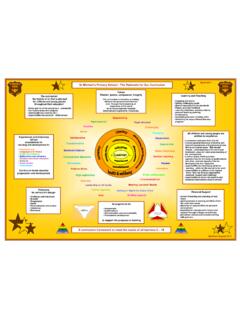
8 The selection of these key areas to support improvements in Inclusive practice is also supported by a range of evidence from inspection, research and project work carried out by the European Agency for special Needs and Inclusive Education. 8 The images above highlight the close correlation of key features of Dyslexia Friendly Schools and Inclusive Practice. A range of reflective questions have been developed to support conversations which focus on improvement through reflection and collaborative research and it is recognised that schools and local authorities may include appropriate additional questions and adapt this resource. The level of awareness and readiness for change will vary across schools and local authorities. Therefore, one or two specific focus areas may be selected to take forward improvement or all focus areas are taken forward at the same time. What is important is that in all cases the focus areas for improvement are incorporated within the School Improvement Plan and impact of outcomes is evidenced within the Annual Standards Quality Reporting.
9 This Professional Learning resource explores the key features of Inclusive Practice through a reflective and evaluative approach and includes: guidance and information on each key feature reflective questions and suggestions to support this process examples of evaluative enquiries using improvement methodology. 9 Why focus on Dyslexia to develop Inclusive practice? A frequently asked question throughout the Making Sense Programme has been Why is the focus on Dyslexia and not another additional support need? This is because the pedagogy and approaches which can effectively support dyslexic learners are more applicable to support inclusion. Due to the broad range of characteristics experienced by dyslexic learners which overlap with many characteristics of other neuro-developmental differences and additional support needs this approach is beneficial and supportive to a wide range of learners. It is also helpful to be aware of the cooccurrence which learners experience.
10 For example, it is not unusual for a learner to be dyslexic and dyspraxic, or an autistic learner to be ADHD and also dyslexic . 10 Developing an Inclusive school community All the stakeholders within the school community need the opportunity to understand Inclusive education and practice and the interconnection with neurodevelopmental differences such as Dyslexia . This is critical to improving and supporting the key areas of Inclusive practice and is recommended to be the initial starting point. Fundamental to supporting a whole school approach is knowing where to start from: to understand and establish the level of participation and current practice with regards to inclusion and Dyslexia within the Scottish Educational context. To improve the outcomes for all learners including those with Dyslexia and help develop sustained Inclusive practice across the whole school community it is important for schools and local authorities to develop their vision of what they wish to achieve, evaluate their current position, and plan how they will achieve this through collaborative practice and evaluation of the impact.