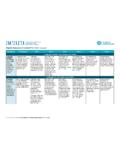
Transcription of Ethical Understanding learning continuum - ACARA
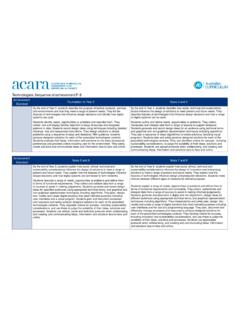
1 Ethical Understanding learning continuum Level 1 Level 2 Level 3 Level 4 Level 5 Level 6. Sub-element Typically, by the end of Typically, by the end of Typically, by the end of Typically, by the end of Typically, by the end of Typically, by the end of Foundation Year, students: Year 2, students: Year 4, students: Year 6, students: Year 8, students: Year 10, students: Understanding Ethical concepts and issues element Recognise identify Ethical concepts describe Ethical identify Ethical concepts, examine and explain analyse behaviours that critique generalised Ethical concepts arising in familiar concepts, such as right such as equality, respect Ethical concepts such exemplify the dimensions statements about Ethical contexts, such as good and wrong, honesty, and connectedness.
2 And as truth and justice and challenges of Ethical concepts and bad behaviours fairness and tolerance describe some of their that contribute to concepts attributes the achievement of a particular outcome Explore Ethical describe familiar discuss Ethical concepts discuss actions taken explain what constitutes analyse the Ethical distinguish between the concepts in situations that involve within a range of familiar in a range of contexts an ethically better or dimensions of beliefs and Ethical and non- Ethical context Ethical concepts contexts that include an Ethical worse outcome and how the need for action in a dimensions of complex dimension it might be accomplished range of settings issues Reasoning in decision making and actions element Reason and identify examples from discuss how people make explain reasons for acting explore the reasons analyse inconsistencies investigate reasons for make Ethical stories and experiences decisions about their in certain ways, including behind there being a in personal reasoning and clashes of beliefs in decisions that show ways people actions and offer reasons the conflict between self- variety of Ethical positions societal Ethical decision issues of personal.
3 Social make decisions about why people's decisions respect and self-interest on a social issue making and global importance their actions differ in reaching decisions Consider identify links between describe the effects that examine the links evaluate the investigate scenarios analyse the objectivity consequences emotions and behaviours personal feelings and between emotions, consequences of that highlight ways that or subjectivity behind dispositions have on how dispositions and actions in familiar and personal dispositions decision making where people behave intended and unintended hypothetical scenarios and actions can affect there are many possible consequences of their consequences consequences actions on others Reflect on identify and describe the give examples of how consider whether having articulate a range of analyse perceptions of evaluate diverse Ethical action influence of factors such Understanding situations a conscience leads to Ethical responses to occurrences and possible perceptions and Ethical as wants and needs on can influence the way ways of acting ethically in situations
4 In various Ethical response in bases of action in people's actions people act different scenarios social contexts challenging scenarios complex contexts Ethical Understanding learning continuum Level 1 Level 2 Level 3 Level 4 Level 5 Level 6. Sub-element Typically, by the end of Typically, by the end of Typically, by the end of Typically, by the end of Typically, by the end of Typically, by the end of Foundation Year, students: Year 2, students: Year 4, students: Year 6, students: Year 8, students: Year 10, students: Exploring values, rights and responsibilities element Examine values identify values that are discuss some agreed identify and describe examine values accepted assess the relevance of analyse and explain the important to them values in familiar contexts shared values in familiar and enacted within beliefs and the role and interplay of values in and unfamiliar contexts various communities application of values in national and international social practices forums and policy making Explore share examples of rights identify their rights investigate children's monitor consistency analyse rights and evaluate the merits of rights and and responsibilities in and associated rights and responsibilities between rights and responsibilities in
5 Conflicting rights and responsibilities given situations responsibilities and those at school and in the local responsibilities when relation to the duties of a responsibilities in global of their classmates community interacting face-to-face or responsible citizen contexts through social media Consider points express their own point recognise that there may describe different points explain a range of draw conclusions from use reasoning skills to of view of view and listen to the be many points of view of view associated with possible interpretations a range of points of prioritise the relative views of others when probing Ethical an Ethical dilemma and and points of view when view associated with merits of points of view dilemmas and identify give possible reasons for thinking about Ethical challenging Ethical about complex Ethical alternative views these differences dilemmas dilemmas dilemmas