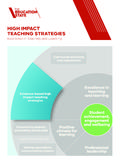
Transcription of Excellence in differentiation to increase student ...
1 Professional Practice Note 16 Excellence in differentiation to increase student engagement and learning outcomes differentiation : A proactively planned approach to what students need to learn, how they will learn it, and/or how they can express what they have learned. Carol Ann Tomlinson (2013)1 OVERVIEW This Professional Practice Note provides advice to teachers on classroom-based strategies to support differentiated learning for all students, whether they are below, at or above the standard, so they can maximise their learning growth and achieve individual learning Excellence . The Victorian Teaching and Learning Model is designed to deliver the FISO priority: Excellence in teaching and learning and can be used by teachers and leaders seeking to adopt a whole-school approach to differentiated learning. This note provides further advice to school leaders about how you might use equity funding to improve differentiated instruction and intervention supports to assist students to bridge learning gaps, maximise learning gains and overcome educational disadvantage.
2 DEFINING DIFFERENTIATED TEACHING AND LEARNING Differentiated teaching refers to methods teachers use to extend the knowledge and skills of every student in every classroom, regardless of their starting point. The objective is to lift the performance of all students, including those who are falling behind and those ahead of year level expectations. Differentiated instruction is the pedagogical * Note: this was formerly referred to as an Individual Learning Plan (ILP) 1 Tomlinson, Carol Ann and Moon, Tonya. (2013). Assessment and student Success in a Differentiated Classroom. ASCD Books. 2 Subban, Pearl. (2006). Differentiated instruction: A research basis. International Education Journal, 2006 Vol 7, 935-947. approach of teachers who think creatively and flexibly when approaching teaching and learning. 2 The availability of individualised student information, together with learning data can be used to identify what students already know, what they should learn next and highlight gaps in their knowledge and skills for targeted learning intervention.
3 Data can also assist teachers when making decisions about a student s Individual Education Plan*. Data enables teachers to plan well-scaffolded learning pathways so that all students have a point of Learning is optimised when teachers pitch the content and the instruction at or just above each student s developmental level, considered to be their zone of proximal development (Vygotsky 1978). Differentiated teaching provides the right level of challenge and promotes engagement by responding to each student s individual differences in readiness, interest and learning differentiation benefits students across the learning continuum, including students who are highly able and gifted. The most effective differentiation practices focus on all aspects of teaching: content, process, product and learning A coherent and engaging differentiated curriculum is important but will be ineffectual without differentiating classroom instruction.
4 As Dylan Wiliam says, "a bad curriculum well taught is invariably a better experience for students than a good curriculum badly taught: pedagogy trumps curriculum .6 differentiation also describes provision of reasonable adjustments for students with learning difficulties, including disabilities (see the Disability Standards for Education). Adjustments should take account of student knowledge and skills, and what they need to learn next based on the Victorian curriculum achievement standards. Adjustments can include individualised and small group targeted learning interventions for some students when learning gaps are evident. 3 Hattie, J. (2011). Visible Learning for Teachers: Maximizing Impact on Learning. Routledge: New York, NY. 4 Subban, Pearl. (2006). 5 ibid. 6 Wiliam, D. (2011). Embedded formative assessment. Bloomington, Solution Tree. Professional Practice Note 16 Finally, differentiation works best when teachers create a climate for learning that is inclusive, safe and This approach maximises emotional, cognitive and behavioural engagement and helps students to invest in their learning.
5 Quality teaching starts with the belief that all students can learn given the right support and learning pathway. THE VALUE OF A DIFFERENTIATED APPROACH FOR LEARNERS AT RISK OF DISENGAGEMENT The average classroom is heterogeneous, with a diverse range of learners from different cultural, social and educational experiences. The one-size fits all learning pathway and teaching to the middle , ignores students who require different entry points in the learning continuum. Learners at risk of disengagement can be at any stage of schooling and there are many factors that may contribute to a child or young person becoming or being disengaged. These include family and community factors, personal factors such as physical, mental health or behavioural issues, as well as school-related factors. Highly-able or gifted students are also at risk of disengagement. Therefore, differentiated teaching offers strategies to engage all students, so that they become personally invested in, and take ownership of, their learning regardless of their learning starting point or ability.
6 ADVICE FOR TEACHERS Know your students differentiation starts with knowing your students, in particular their learning skills and current capabilities, as well as their passions, motivations and interests. The cultural perspectives and social emotional readiness are additional factors to consider. Draw upon existing data sources such as: NAPLAN, On Demand and other standardised or diagnostic test data Previous school reports, teacher judgements or student work samples 7 FISO: Professional conversations with other staff Observations of students in a range of settings Pre-test or formative assessment data Ongoing feedback from students & parents/carers. Plan the learning pathway Plan the learning objectives (concepts, knowledge or skills to be covered, informed by the Victorian Curriculum) and the associated success criteria (evidence of learning from students).
7 Success criteria can be differentiated to be applicable to All, Most and Some students in the class, with clear descriptions of what learning Excellence looks like. Based on information about the student s readiness, interests and learning profiles, teachers can also plan the learning sequence. They may need to differentiate the: 1. Content: what students are expected to learn. 2. Process: how teachers will teach and how students will explore or undertake their learning. Type of instruction and activities in the lessons. 3. Product: how the students demonstrate their learning. 4. Learning environment: physical and affective nature of the classroom. Classrooms should be stimulating and conducive to learning, and places where students feel valued, safe and supported to take risks to support their Differentiated instructional approaches The gradual release and acceptance of responsibility model (GRR) is a structured, evidenced based approach to differentiated instruction recommended by Sharratt (2019).
8 It incorporates the, teach, practice and apply approach many 8 Tomlinson, Carol Ann. (2013). Differentiated instruction. Fundamentals of Gifted Education- considering multiple perspectives. Routledge. New York. Professional Practice Note 16 teachers already use to scaffold learning for students. 9 It steps students through their learning using a 5-step approach: modelling, shared practice, guided practice, independent practice and student s Apply a Teaching up approach, where the learning progression starts with basic concepts and skills, scaffolding the learning through the proficiencies toward mastery or deeper Bloom s Taxonomy (verbs) assists to qualify a deepening in the learning, allowing all students an individual entry Check-in regularly and make the learning visible by gathering data with formative assessments and instructional practices such as questioning techniques and exit tickets (formative activities at the end of the lesson to evaluate the learning progress).
9 Adjust your teaching plan in response to formative feedback, for example adjust the lesson pace or re-teach certain concepts. Consider group and targeted interventions to cater for learning difficulties. These interventions could be planned, for example, as part of a Professional Learning Community, or in collaboration with Literacy and Numeracy Improvement Teachers (for secondary schools). Use a range of flexible (not fixed) group activities including collaboration and cooperation with mixed-ability (based on learning profile or interests) and ability-based groups to best support learning. Students grouped well with appropriate materials and scaffolds, can learn from each other. Small group instruction is an excellent teaching strategy to advance student learning. differentiation and student agency Students can become agents in their own learning when teachers engage them in the learning process.
10 This can be achieved when teachers: Share the learning objectives and reflect on the learning progress and what learning is yet to come. Negotiate realistic and challenging learning goals. 9 Campbell, Bruce. (2009). To- With- By: A three-tiered model for differentiation instruction. The NERA Journal (2009), Vol 14. 10 Sharratt, L. (2019). Clarity: What Matters Most in Learning, Teaching, and Leading. Thousand Oaks, California: Corwin. 11 Tomlinson, Carol Ann and Moon, Tonya. (2013) Support students to focus their efforts on making learning gains (or progress) as a measure of success, rather than high grades. Provide choice of content, process and product. Use a variety of collaborative, independent and teacher-directed instruction and a variety of activities: hands-on, writing and discussions. Seek input from colleagues, access the expertise of your Professional Learning Community and/or learning specialists in your school, to implement a range of teaching strategies that support the different learning needs.