Transcription of Fall Protection in Construction
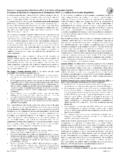
1 Cal/OSHA Consultation Services Safety & Health Fact Sheet Division of Occupational Safety and Health fall Protection in Construction Falls are among the most common reasons for 3648 - fall Protection while working with aerial device workplace injuries and fatalities in California. Falls 3642 - fall Protection while working on elevated platform generally occur when employees are working at an 3209, 3210 - fall Protection with guardrails elevated height and are not adequately protected. Some 3212 fall Protection while working around floor openings, examples include employees working on elevated work roof openings, and skylights surfaces, ladders, stairs, scaffolds, aerial devices, roofs, 3299 - fall Protection while working on powered platforms bridges, trusses, beams, purlins, plates, suspended Helpful Safety Information staging, catwalks and walkways.
2 fall Protection trigger heights must be observed at all times: Falls in Construction frequently involve slippery, 2 stories or 30' whichever is less: Connecting cluttered, or unstable walking/working surfaces, structural steel (Iron workers). unprotected edges, floor holes or wall openings, 20': Most roofing work unsafely positioned ladders, and misuse of fall 15': Panelized roof systems, residential framing and Protection devices. roofing activities, work on 4 nominal or wider structural members and other than connecting steel Key Cal/OSHA Requirements (iron workers). 7 ': Work on unprotected platforms, scaffolds, or edges Title 8 of California Code of Regulations (T8 CCR) of structures (within 6'). specifies many requirements for fall Protection in 6': Work with rebar/ or similar projections (rod busters). Construction . Below are selected regulations that contain fall Protection requirements.
3 Refer to T8 CCR Structural wood framing workers working near a leading edge must be protected from falls of 15' or more by one or for the complete set of requirements. more of these: Selected T8 CCR Sections Guardrails; Safety Nets; Personal fall Protection System;. Parapets at least 24 high; fall Protection Plan 1541 fall Protection in excavation work Most roofing work requires fall Protection over 20'. fall Protection in cranes and derricks in Construction Work on residential tract homes requires fall Protection over 15'. 1620 Design and Construction of guard rails 100% tie-off ( Protection from falls 1669 General fall Protection at all times, even when moving 1670 Personal fall arrest systems, personal fall restraint from point to point) must be systems and positioning devices 1671 Safety nets provided while using personal fall Protection .
4 Some times this may fall Protection plan require using two lanyards. Controlled access zones and safety monitoring systems Note: Point to point travel on rebar is allowed without fall 1710 fall Protection for erection of steel structures Protection for heights up to 24 feet. 1712 fall Protection for work around reinforcing steel and In steel erection work, iron workers must use personal fall other similar projections Protection where fall distance exceeds: fall Protection in structural wood framing systems 30', while performing structural steel connecting work fall Protection in wood and light gage steel frame 15', while performing work other than connecting Construction in residential/light commercial work 1724 fall Protection in general roofing operations In metal decking work, workers must be protected from falls of 15' or more by one or more of these: 1730 fall Protection in roofing operations Guardrails; Safety Nets; Personal fall Protection .
5 1731 fall Protection for roofing work on new tract homes fall Protection Plan with roof slopes 3:12 or greater Workplace must be kept in good housekeeping order and In addition, fall Protection is addressed in other free of debris and tripping hazards. regulations that are not limited to Construction activities, Knots should never be tied in lanyards or rope grabs. such as the T8 CCR regulations highlighted below: 1. fall Protection in Construction fall Protection Systems There are 2 basic fall Protection systems: Passive Systems - fall Prevention - Guardrails, safety nets, floor covers, catch platforms, etc. Active Systems - Personal fall Protection - Safety belts and body harnesses. Passive systems, such as guardrails, are the preferred system of fall Protection . If passive systems cannot be utilized, then personal fall Protection is required.
6 Common Passive Systems Common Active Systems Guardrails are required at Components of an active personal fall Protection 7 ' high on open: system: Edges of floors and roofs Anchorage point must support Scaffolds adequate loads. Runways, ramps Harness (or body belt for fall Elevated platforms restraint or positioning) must be Major design specifications: worn as per manufacturer instructions. Constructed of wood or equivalent material. Connector (lanyard) must be Top rail at 42 to 45 and a midrail. adjusted so worker will not reach Wooden posts must be no more than 8' apart. the ground below. Top rail must withstand 200 lbs load in any direction. Free fall distance must never exceed 6 feet. Safety nets are good for high entry ways and cathedral ceiling Types of active personal fall Protection systems: areas of residential homes. 1. Personal fall Arrest System They must be installed 2.
7 Personal fall Restraint System according to manufacturer's instructions. 3. Positioning Devices Floor covers need to be provided for Personal fall Arrest System all floor openings, hatchways, floor Use harnesses, not body belts holes, and skylight openings Use shock absorbing lanyard with regardless of the fall heights. Floor 2 locking snap hooks. openings can be alternatively guarded by guardrails. Anchorage point must support 5,000 lbs. Wall openings that are greater than 30 high and 18 wide need Inspect before use. to be protected with guardrails Inspect & document each system at least twice a year. when the bottom of the opening Plan for a prompt rescue. is less than 36 above the working surface and the fall is Personal fall Restraint System more than 4'. The fall restraint equipment should Ladder openings need to be be set and adjusted so there is no guarded with off-set guardrails or a free fall over the edge.
8 Swinging gate must be provided. A harness or body belt may be used The anchorage point must support 4 times the intended load. Contacting Cal/OSHA Consultation Services Positioning Devices Publications: Consultation Programs: A harness or body belt may be used Toll-free Number: 1-800-963-9424 The device must be set and adjusted so there is no more than Onsite Assistance Program Area Offices: Central Valley: 559-454-1295; San Diego/Imperial: 619-767-2060. 2' free fall . No. California: 916 263-0704; San Bernardino: 909-383-4567 The anchorage point must support SF/Bay Area: 510-622-2891; San Fernando Valley: 818-901-5754 2 times the intended load or 3,000. La Palma/LA/Orange: 714-562-5525. lbs, whichever is greater. The information is not neither a substitute for nor legal interpretation of the occupational safety and health regulations.
9 Readers need to refer directly to Title 8 of the California Code of Regulations for detailed information regarding the regulation's scope, specifications, exceptions and for other requirements that may be applicable to their operations. 2 03-15.