Transcription of FLOWTITE - RPC Pipe Systems
1 FLOWTITEI nstallation Guide for Buried Pipes AWWA748937923098479347590372093409043989 1547216579233546105548947891334549812647 3246302678346345692301347971255681243478 9125788942231461458903478923324456767654 7689086707897657809748937923098479347590 3720934090439891547216579233546105548947 8913345498126473246302678346345692301347 9712556812434789125788942231461458903478 9233244567676547689086707897657809748937 9230984793475903720934090439891547216579 2335461055489478913345498126473246302678 3463456923013479712556812434789125788942 2314614589034789233244567676547689086707 8976578097489379230984793475903720934090 4398915472165792335461055489478913345498 1264732463026783463456923013479712556812 4347891257889422314614589034789233244567 6765476890867078976578097489379230984793 4759037209340904398915472165792335461055 4894789133454981264732463026783463456923 0134797125568124347891257889422314614589 0347892332445676765476890867078976578097 48937923098479347590372 01 02 03
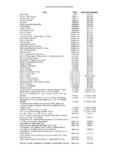
2 04 05 06 1 Introductory Information 4 Foreword ..4 Soil- pipe system ..4 Field Technician ..5 Safety ..52 Shipping, Handling and Storage 6 Inspecting pipe ..6 Repairing pipe ..6 Unloading and Handling pipe ..6 Site pipe Storage ..7 Storing Gaskets and Lubricant ..7 Transporting pipe ..8 Handling Nested Pipes ..83 pipe Installation Procedure 9 Standard Trench ..9 pipe Bedding ..9 Backfill Materials ..10 Installation types ..10 Backfilling pipe ..11 Compaction above pipe ..12 pipe Deflections ..124 Joining Pipes 13 FLOWTITE double Bell Couplings ..13 Locked Joints ..15 Flanged Joints ..15 Layup Joint ..16 Other Joining Methods ..175 Thrust Restraints, Concrete Encasement and Connections to Rigid Structures 18 Concrete Encasement ..19 Connections to Rigid Structures ..20 Casings (Tunnels) ..22 Concrete-wall Connections ..226 Field Adjustments 24 Length Adjustment.
3 24 Field Closures with FLOWTITE Couplings ..24 Field Closures with Non- FLOWTITE Couplings ..2537 Other Installation Procedures and Considerations 26 Multiple Pipes in Same Trench ..26 Cross-Overs ..26 Unstable Trench Bottom ..26 Flooded Trench ..27 Use of Trench Supports ..27 Trench Construction in Rock ..27 Inadvertent Over-Excavation ..28 Installation of Pipes on Slopes (Parallel) ..288 Accommodating Valves and Chambers 29 Anchoring In-Line Valves ..29 Air and Vacuum Valves ..32 Clean Out and Scour Valves ..339 Post-Installation 34 Checking the Installed pipe ..34 Correcting Over-Deflected pipe ..34 Field Hydrotesting..35 Field Joint Tester ..36 Field Air Test ..3610 Alternate Installations 37 Wide Trench ..37 Cement Stabilised Backfill ..37 Appendix 39 Appendix AWWA M 45 or ATV 12707 08 09 10 app.
4 41 Introductory ForewordThis document is part of the FLOWTITE documentation for the users of FLOWTITE products. It is to be used in connection with the FLOWTITE Product Guide and is intended to assist the installer in understanding the requirements and procedures for the successful handling and buried installation of FLOWTITE pipe . The appendices may serve as a helpful source of data for owner s document mainly addresses the usual circumstances that may be encountered in the field; unique situations requiring special considerations are not addressed and should be resolved in cooperation with the other than direct bury, such as trenchless, sub-aqueous or above-ground, are not discussed in this manual. Consult the supplier for suggested procedures and limitations in these importantly, this installation guide is not meant to replace common sense, good engineering requirements and judgement, applicapable laws, safety or environ mental or other regulations or local ordinances, nor the specifications and instructions of the owner and/or the owner s engineer, who is/are the final authority on each job.
5 Should any conflicting information in this brochure create doubts as to how to proceed properly please consult the supplier and the owner s engineer to obtain installation procedures outlined in this Installation Guide and the suggestions of the Field Technicians, when carefully followed, will help with the thorough execution of a proper, long-lasting installation. Consult the supplier on any questions or when variations from this installation guide are being Soil- pipe systemThe versatility of soil behaviour, along with the strength and flexibility of FLOWTITE pipes offers a unique potential for soil-structure interaction that allows optimum system performance. The glass fibre reinforcement is placed where needed in the pipe for flexibility and strength, while trench geometry, along with selection, placement and compaction of backfill ensures the integrity of the there are two sets of loads that the pipe is subject to: 1 external loads resulting from overburden, surface loads and traffic, creating bending stresses in the pipe wall2 internal pressure creating hoop stresses in the pipe and unbalanced thrust creating axial flexibility of FLOWTITE pipe combined with the natural structural behaviour of soils provide an ideal combination for transferring vertical load.
6 Unlike stiff pipes, which would break under excessive vertical load, the pipe s flexibility combined with its high strength, allow it to bend and redistribute the load to the surrounding soil. The deflection of the pipe serves as an indicator of the stresses generated in the pipe and the quality of the installation. Hoop stresses are resisted by placing continuous glass fibre reinforcement circumferentially in the pipe wall. The amount of reinforcement is dictated by the pressure level and determines the pressure class of the thrust is usually most economically resisted through thrust blocks that transfer the thrust by direct bearing to the native soil. The standard FLOWTITE pipe is therefore not required to transfer axial thrust and the amount of reinforcement in the pipe wall in the axial direction is limited to secondary effects. Consequently the joints are not required to transfer axial load, but allow for movement of the pipe within the joint due to temperature and Poisson s some cases thrust-blocks may be undesirable due to their weight, lack of space, or other reasons.
7 In such cases enough reinforcement is placed in the pipe wall in the axial direction to carry the direct thrust. Restraint joints for such Systems are designed to carry the full axial thrust, and the thrust is transferred to the surrounding soil through direct bearing and friction.! Note: These installation instructions are based on the structural design proceduces of AWWA M 45, but are also valid for ATV 127. The main text is essentially aligned with AWWA, while the appendices contain information that is specific to either ATV or AWWA. 01 02 03 04 05 06 07 08 09 10 Field TechnicianThe supplier can, at the request of the purchaser and within the terms of the agreement between the purchaser and the supplier, provide a Field Technician. The Field Technician can advise the purchaser and/or the Installer to help him achieve a satisfactory pipe installation.
8 It is recommended that on the job field service should be engaged in the initial stage of installation and may continue periodically throughout the project. The service may range from continuous (essentially full time) to intermittent depending on agreement between purchaser and SafetyGlass-reinforced polyester (GRP) pipe , like virtually all pipe made with petrochemicals, can burn and is therefore not recommended for use in applications which are exposed to intense heat or flames. During installation, care must be taken to avoid exposure of the pipe to welder s sparks, cutting-torch flames or other heat/flame/electrical sources which could ignite the pipe material. This precaution is particularly important when working with volatile chemicals in making layup joints, repairing or modifying the pipe in the in trenches are carried out in potentially hazardous conditions. Where appropriate shore, sheet, brace, slope or otherwise support the trench walls to protect any person in the trench.
9 Take precautions to prevent objects falling into the trench, or its collapse caused by the position or movements of adjacent machinery or equipment, while the trench is occupied. Excavated material should be deposited in a safe distance from the edge of the trench, and the proximity and height of the soil bank should not be allowed to endanger the stability of the 0203 04 05 06 07 08 09 10 Shipping, Handling and Inspecting PipeAll pipes should be inspected upon receipt at the job site to insure that no damage has occurred in transit. Depending on length of storage, amount of job site handling and other factors that may influence the pipes condition, it is recommended that the pipe be re-inspected just prior to installation. Inspect the shipment upon delivery, as follows:1 Make an overall inspection of the load. If the load is intact, ordinary inspection while unloading will normally be sufficient to make sure the pipe has arrived without damage.
10 2 If the load has shifted or indicates rough treatment, carefully inspect each pipe section for damage. Generally, an exterior inspection will be sufficient to detect any damage. When pipe size permits, an interior inspection of the pipe surface at the location of an exterior scrape may be helpful to determine if the pipe is Check the quantity of each item against the bill of Note on the bill of lading any transit damage or loss and have the carrier representative sign your copy of the receipt. Claims against the carrier should be in accordance with their If any imperfections or damage is found, segregate the affected pipes and contact the not use pipe that appears damaged or Repairing PipeNormally, pipes with minor damage can be repaired quickly and easily at the job site by a qualified individual. If in doubt about the condition of a pipe , do not use Field Technician can help you determine whether repair is required and whether it is possible and practical.