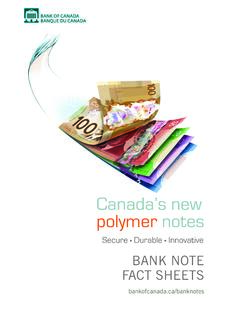
Transcription of GOLDEN DESIGN RULES
1 GOLDEN DESIGN RULESI ncrease Value in PET Recycling Use transparent and uncoloured PET (preferred), or transparent blue or green in all PET bottles1, 2 Ensure material choice, adhesive choice and size of sleeve or label is not problematic for recycling3, 4, 5 For optimal plastic DESIGN , production and recyclingPET PET is polyethylene terephthalate, one of the most common-is polyethylene terephthalate, one of the most common-ly used plastic materials. This GOLDEN DESIGN Rule applies to ly used plastic materials. This GOLDEN DESIGN Rule applies to all PET bottles in food and non-food applications, including all PET bottles in food and non-food applications, including beverages, home care products, personal care products, and beverages, home care products, personal care products, and more.
2 Switching from coloured to transparent PET bottles more. Switching from coloured to transparent PET bottles will positively impact supply of high quality recycled PET, and will positively impact supply of high quality recycled PET, and helps ensure only materials that have a viable closed loop helps ensure only materials that have a viable closed loop recycling pathway are pathway are leadership in the progress towards a circular economy, members of the CGF Plastic Waste Coalition of Action have aligned on GOLDEN DESIGN RULES for packaging DESIGN to increase the circularity of their packaging portfolios where appropriate. This set of voluntary, independent and time-bound commitments which together reach over 90% of plastic packaging available on the market will create significant value for the industry and wider system.
3 For more information about the Coalition, visit DESIGN RULE1 Undetectable carbon black Undetectable carbon black isis undetectable in the sorting undetectable in the sorting process when using Near Infra-Red (NIR) technology, which process when using Near Infra-Red (NIR) technology, which is widely used in plastics recycling systems. As a result, is widely used in plastics recycling systems. As a result, dark-coloured packaging commonly ends up as residue and dark-coloured packaging commonly ends up as residue and is disposed of in landfill or incineration. It is commonly used in is disposed of in landfill or incineration. It is commonly used in meat and vegetable trays and bottles.
4 As well as minimising meat and vegetable trays and bottles. As well as minimising avoidable environmental impacts, removing carbon black avoidable environmental impacts, removing carbon black would help increase the volume of recycled plastic. would help increase the volume of recycled plastic. PVC or PVDCPVC or PVDC is polyvinylidene chloride or polyvinylidene is polyvinylidene chloride or polyvinylidene dichloride. It can be problematic if in the recycling stream by dichloride. It can be problematic if in the recycling stream by disrupting the recycling of some other plastics. It is found in disrupting the recycling of some other plastics. It is found in several types of plastic packaging, including meat trays, plas-several types of plastic packaging, including meat trays, plas-tic film around vegetables or blister film around vegetables or blister or PSEPS or PS is expanded polystyrene or polystyrene.
5 (E)PS is expanded polystyrene or polystyrene. (E)PS is too uncommon the packaging materials stream to make is too uncommon the packaging materials stream to make recycling economically viable. As a result, it is rarely sorted recycling economically viable. As a result, it is rarely sorted from household waste and recycled, with the majority of it from household waste and recycled, with the majority of it incinerated or landfilled. Examples of its application are food incinerated or landfilled. Examples of its application are food takeaway containers, yoghurt pots, and cushioning/filler. This takeaway containers, yoghurt pots, and cushioning/filler. This element of GOLDEN DESIGN Rule 2 excludes other types of element of GOLDEN DESIGN Rule 2 excludes other types of polystyrene such as SAN or ABS.
6 Polystyrene such as SAN or ABS. CGF Plastic Waste Coalition CEO Co-Sponsors1) With a minimum L value of 40; 2) Exception: Where barrier protections (for UV light, CO2, or O2) are required for product shelf life and other solutions ( , full-body sleeves) are not possible; 3) Including phase out of PETG and PLA labels/sleeves, non-water soluble/dispersible adhesives and sleeves that cover more than 75% of bottle (unless proven not to limit the recyclability of the product); 4) Exception: Unless proven not to limit the recyclability of the product ( cPET, sleeves that detach during recycling processes prior to optical sorting); 5) Exception: Small non-recyclable bottles exempt1) Undetectable means by commonly used sortation technologies.
7 2) Exception: This rule does not apply to small non-recyclable packs; 3) Exception: Except in medical applications where there is no alternative; 4) Exception: Except where legally required; This rule does not apply to oxo-biodegradable plastics PETGPETG is polyethylene terephthalate, and is a contaminant in is polyethylene terephthalate, and is a contaminant in the PET recycling stream which lowers the value of recycled the PET recycling stream which lowers the value of recycled PET materials. It is found in, for example, drinking bottles and PET materials. It is found in, for example, drinking bottles and cooking oil containers. This element applies to all single-use cooking oil containers. This element applies to all single-use rigid packaging materials in the consumer goods market.
8 Rigid packaging materials in the consumer goods market. Finally, Finally, oxo-degradableoxo-degradable plastics contribute to microplastic plastics contribute to microplastic pollution and are not suited for long-term reuse, recycling pollution and are not suited for long-term reuse, recycling at scale or composting. Uses include shrink and stretch film , at scale or composting. Uses include shrink and stretch film , carrier bags, blister packs, bottles, labels and caps. This ele-carrier bags, blister packs, bottles, labels and caps. This ele-ment of GOLDEN DESIGN Rule 2 applies to all oxo-degradable ment of GOLDEN DESIGN Rule 2 applies to all oxo-degradable plastics as defined by CEN, the European Standards autho-plastics as defined by CEN, the European Standards autho-rity, unless use is required by , unless use is required by No undetectable1 carbon black2 b.
9 No PVC or PVDC2, 3c. No EPS or PS2d. No PETG in rigid plastic packaging2, 3e. No oxo-degradable4 Remove Problematic Elements from PackagingGOLDEN DESIGN RULE2 THE SCALEPET bottles represent 13% of plastic packaging on the market, according to data from Plastics Europe and SCALEA ccording to the Ellen MacArthur Foundation, these problematic elements are present in over 10% of plastic Excess Headspace Eliminate excess headspace for all flexible pack types, such that the maximum headspace is 30% or less across the product categories outlined in the rule. This GOLDEN DESIGN Rule applies to the following categories: This GOLDEN DESIGN Rule applies to the following categories: cleaning products, confectionary, dry groceries, frozen foods & ice-cream, health & wellness, personal & baby care, pet food, produce & fresh food, shelf stable foods, water & beverages.
10 By eliminating excess headspace in flexible packaging, companies reduce the demand for virgin plastic and reduce the absolute amount of plastic being placed on to the market. GOLDEN DESIGN RULE3 CGF Plastic Waste Coalition CEO Co-Sponsors Reduce plastic overwraps by only using them when necessary (as defined by the developed guideline)Reduce Plastic OverwrapsGOLDEN DESIGN RULE45 Increase Recycling Value for PET Thermoformed Trays and Other PET Thermoformed PackagingGOLDEN DESIGN RULE1) Recycling programmes are at different stages of development in different regions, so companies are recommended to check regional advice or guidelines such as those provided by APR in the US. Signatories should use the exceptions reporting process to record cases where they have followed regional DESIGN guidelines instead of the GOLDEN DESIGN RULES .