Transcription of GUIDE TO EXTRAVASATION MANAGEMENT IN …
1 GUIDE TO EXTRAVASATION MANAGEMENT IN ADULT& PEDIATRIC PATIENTS Large, well-designed, controlled clinical trialsin humans are not available to support thedevelopment of EXTRAVASATION managementguidelines. Available data generally consists ofcase reports, trials utilizing animal models, andsmall studies with evidence of poor orinconsistent quality. This lack of evidencecreates challenges in validating specificinterventions and presents barriers toguideline development.
2 Interventions listed within this GUIDE werederived from a consensus of the cited tertiaryreferences. Greater consideration was given tomore detailed, substance-specific references when a consensus was not apparent. The information provided is intended as ageneral GUIDE only. Consult additionalreferences and product labeling for moredetailed information. RELATED POLICIES Nursing Standard of Practice & Procedures: 1) Extravasations, Patient MANAGEMENT of 2) Care of the Patient by a Non-Chemotherapy Certified RN REFERENCES 1.
3 Mullin S, Beckwith CM, Tyler LS. Prevention and MANAGEMENT of antineoplastic EXTRAVASATION injury. Hospital Pharmacy. 2000; 35:57-76. 2. eFacts [database online]. St. Louis, MO: Wolters Kluwer Health, Inc.; 2005. 3. Gahart BL, Nazareno AR. Intravenous Medications. 21st ed. St Louis: Elsevier Mosby; 2005. 4. McEvoy G, ed. American Hospital Formulary Service: Drug Information. Bethesda: American Society of Health-System Pharmacists, Inc; 2003. 5. Lexi-Comp [database online]. Hudson, OH: Lexi-Comp, Inc; 2007.
4 6. Polovich M, White JM, Kelleher LO, eds. Chemotherapy and biotherapy guidelines and recommendations for practice. 2nd ed. Pittsburgh, PA: Oncology Nursing Society; 2005. 7. Camp-Sorrell D. Developing extravastation protocols and monitoring outcomes. J Intravenous Nursing 1998; 21(4):232-239. 8. Thomas, Juliana. Letter. New York, NY: Sanofi-Aventis; 2005 Sept 26. 9. Mouridsen HT, Langer SW, et al. Treatment of anthracycline EXTRAVASATION with Savene (dexrazoxane): results from two propective clinical multicentre studies.
5 Annals of Oncology, 2007; 18: 546-550. Hyaluronidase Sodium thiosulfate Phentolamine SPECIFIC SUBSTANCES WARM OR COLD THERAPY ANTIDOTE Apply warm packs for 15-20 minutes at least four times a day Apply warm packs for 15-20 minutes at least four times a day Document all procedures in the medical record. 1,6,7 Complete Patient Safety Net (PSN) Report. Provide patient education. 1,6,7 7 Documentation recommendations reproduced/adapted from: Mullin S, Beckwith MC, Tyler LS. Prevention and MANAGEMENT of antineoplastic EXTRAVASATION injury.
6 Hospital Pharmacy. 2000; 35:57-76. Provide that the patient is able to obtain follow-up care and evaluation. Describe the care of the site: elevate arm; use warm or cold compresses; protect from sun or abrasion; do not immerse in water. Instruct patient to call provider for any of the following: increased pain, skin color change, increased edema or swelling, stiffness in the extremity, skin breakdown, fever, any additional questions. InterventionsDescribe the physical measures used to prevent further EXTRAVASATION .
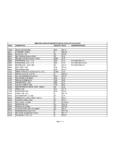
7 Note physician contacted. Note the name, dose, and route of antidotes. Describe use of warm or cold compresses. Describe the site. Consult wound team Note surgical or other medical consultations requested. Ensure that the patient has follow-up appointment. Pain MANAGEMENT follow up & reassessment. Calcium Carmustine Etoposide Teniposide Vinblastine Vincristine Vindesine Vinorelbine Dacarbazine Potassium Sodium bicarbonate Apply cold compress for 15-20 minutes at least four times a day Cisplatin (> 20 mL and concentrations mg/mL)
8 MechlorethamineDobutamine Dopamine Epinephrine NorepinephrinePhenylephrine Idarubicin* Aminophylline Dactinomycin Daunorubicin* Dextrose 10% Doxorubicin* Epirubicin* Nafcillin Paclitaxel Parenteral nutrition Phenytoin Radiocontrast Media Arsenic trioxide Bleomycin Busulfan Carboplatin Cladribine Cyclophosphamide Pamidronate Plicamycin Promethazine Streptozocin Thiotepa Topotecan Valrubicin Fluorouracil Gemcitabine Gemtuzumab Ifosfamide Mitoxantrone Oxaliplatin Esmolol Irinotecan Magnesium sulfate Metoprolol Mitomycin Physician s order required prior to antidote administrationSUGGESTED INFORMATION FOR DOCUMENTATION (MAY VARY BASED ON PATIENT CARE SETTING) SUGGESTED PATIENT EDUCATIONDrug and infusion information Drug name, dose, volume, and concentration Amount of extravasated drug Total amount of drug infused Other agents administered and the sequence of administration Method of IV administration ( , push, drip)
9 Location of venous access Type of venous access device ( , central, peripheral) Needle size and type EXTRAVASATION site, size, and color description (may delineate infiltrated area on patient s skin with felt-tip marker) Patient complaints or statements at the time of vesicant or irritant infusion Apply cold compress for 15-20 minutes at least four times a day Note on Oxaliplatin: Some references suggest cold compresses as a therapeutic alternative for oxaliplatin EXTRAVASATION . Oxaliplatin administration is associated with sensory neuropathies that may be exacerbated or precipitated by cold temperatures or objects.
10 Utilization of warm therapy may be more comfortable for patients with oxaliplatin-associated sensory neuropathy. 8 Note on Promethazine: The package insert states that there is no proven successful MANAGEMENT of ( EXTRAVASATION ) after it occurs, although sympathetic block and heparinization are commonly employed during acute MANAGEMENT . This is based on results in animals with other known arteriolar irritants. A case study report entitled EXTRAVASATION of promethazine can be found in Am J Health-Syst Pharm.