Transcription of IEP Checklist - PEATC
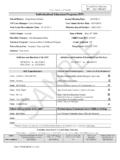
1 Building Better Futures for Children with Disabilities IEP Checklist The following is a Checklist for parents and teachers to consider as they develop the IEP. Not every item on the Checklist is required by special education regulations. For more information, consult the Federal regulations and other information that can be found at or call PEATC at 800-869-6782. IEP team members include: Required Parent(s) Student (as appropriate and invited at age 15 when discussing transition) Special education teacher(s) Regular education teacher(s) Professional(s) who can interpret the instructional implications of assessments School division representative (qualified to provide/supervise special education services) (Members can serve more than one role. Written agreement of parent required to excuse attendance of required member.)
2 If area being discussed, written information must be provided to parent in advance of meeting.) Optional: Family members/Friends Peers/Advocates Specialists Other Professionals including: Representatives from Early Intervention or Adult Service Agencies (optional members are at the discretion of the school and parent and may require parental consent) IEP team members notified and the meeting scheduled: In time for parents to arrange to attend Mutually agreeable time, place & purpose Notice includes date, time, location, purpose and attendees Present Level of Performance: Student described in positive way Reflects parent concerns Includes strengths and needs Results of most recent evaluations States academic & functional performance in objective terms Results of assessments including statewide or district-wide assessments Describes how the disability affects involvement and progress in general education (for preschool students in appropriate activities) Describes academic, developmental and functional needs Annual Goals.
3 Includes academic and functional goals based on needs from assessments and described in Present Level section Meaningful and attainable within one school year Student s involvement and progress in the general education curriculum Measurable - clear about what, how, where & when Includes academic and functional goals Positive Behavioral Supports, if needed How progress will be measured and how often parents will be informed of progress High expectations, including how student will keep up with or catch up to non-disabled peers Based on validated research Measurable objectives or benchmarks (required for students taking alternate assessments aligned to alternate achievement standards) Prioritized in terms of the student s age and time left for schooling Skills to help the student live as independently as possible Related Services, Supplementary Aids and Supports: Help child advance toward attaining annual goals Help child be involved in and make progress in the general curriculum Help child participate with other students with and without disabilities Include specifics: start/finish dates: frequency: duration: location: who will deliver, delivery method (individual or group in class) Assistive Technology devices or services Building Better Futures for Children with Disabilities Help to access nonacademic and extracurricular activities Needed accommodations/modifications for educational program and assessments.
4 Teacher/staff training if needed to implement program Special Factors (when needed): Communication Assistive Technology Behavior Language (English Language Learners) Braille (for blindness/visual impairment) Communication needs (for deafness/hearing impairment) Placement: In the least restrictive environment (first option considered is school where child would attend if there was no disability) Includes interaction with non-disabled peers to maximum extent appropriate Justification, if student not participating in general education curriculum Coordinated with general education classroom, sched-ules, activities and programs State-wide and District-wide Assessments: Lists assessments student will take Specifies needed accommodations and modifications If participating in an alternate assessment, aligned with challenging standards Instruction and Adaptations: Assignment of a case manager or primary contact Person(s) responsible clearly listed special education teacher, general education teacher, specialist, aide, parents, students, other Extended school year recommendation (if needed) Transition Plan (if necessary).
5 Plans for a smooth transition to a new setting, early intervention to preschool, or moving to kindergarten, elementary, middle school or high school (suggested a year before change) Includes input from service providers in current setting and future setting Secondary Transition By age 15, or before as appropriate, student takes active role in planning and attending IEP Types of classes needed and type of diploma planned for student (this may need to begin in middle school) Includes postsecondary goals based on student needs, strengths, preferences and interests Specific transition services, related services needs and other agencies to be included Activities needed to assist student in reaching postsecondary goals At least 1 year before age 18, information about what rights will transfer to student at age 18 Summary of Performance for students who are graduating or who will exceed the age of eligibility for special education.
6 Prior Written Notice (If a re-vision of service or change in placement or refusal of parent request) Description of action proposed or refused The reason for the proposed change The date of proposed change Description of evaluations and other information used to make the decision Other options or choices de-scribed Other relevant factors What steps to take if parent disagrees (Availability of procedural safeguards and where to get more information) Review (at least annually) Whether annual goals being achieved Lack of expected progress in annual goals and general education curriculum Results of any reevaluation Information about child provided to or by parents related to reevaluations Child s anticipated needs Other matters Revisions as appropriate