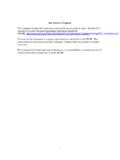
Transcription of JOB HAZARD ANALYSIS FORM Stripping Forms Reference
1 JOB HAZARD ANALYSIS form Stripping Forms Reference : OSHA Standard CFR Subpart Q - Concrete & Masonry Construction Job Description HAZARD Identification HAZARD Controls Stripping & MOVING Forms Overhead hazards Pinch Points Cuts/Abrasions Falls 1. Barricade off the work area to be stripped. 2. Allow only authorized personnel in the Stripping area. 3. Post signs to communicate additional information. 4. Never walk under a rigged load. 5. Make sure there is enough lighting in the work area. 6. Clear all concrete and loose material from Forms to prevent anything from falling overhead during Stripping . 7. Use tag lines to direct all moving loads. 8. Do not place hands in between Forms . 9. Use pry bars to release the Forms . safety glasses, hard hats, and gloves at all times.
2 Or bend all nails to prevent cuts & abrasions. working from ladders, make sure they are set up according to manufacturer's instructions and that they are on level stable ground. extension ladders at the top and bottom. ladders must be used in an open and locked position only. protection must be used when climbing Forms or when exposed to falls from 6 feet or higher. WORKING AROUND HEAVY EQUIPMENT Struck By Caught Between Slips/Trips/Falls 1. Be aware of your surroundings when working around heavy equipment. 2. Wear high visibility clothing. 3. Signal person and operator are to remain in constant communication at all times during the operation. 4. Make sure back-up alarms and horns are in good working condition. 5. If possible, barricade off the swing radius of the load.
3 6. Clean as you go. Remove all construction debris daily. STACKING Forms Struck By Tipping HAZARD 1. Lay down location should be level and free of debris. 2. Do not stack Forms higher than 4 feet off the ground. 3. If necessary, secure the Forms from displacing. Employee Instructions: 1. Hard hats, safety glasses, high-visibility vest, work clothes, work boots, and gloves shall be worn at all times. 2. This JHA must be reviewed with all workers prior to Stripping Forms . All crew members must print/sign their name below to acknowledge their understanding of the JHA. JHA conducted by: Date conducted: Manager / Supervisor Signature: Date: NOTE TO MANAGER, SUPERVISOR OR FOREMAN: WORK MUST NOT START UNTIL hazards ARE DISCUSSED, CONTROLS ARE IN PLACE, AND ALL SIGNATURES ARE OBTAINED.
4 This ASCC publication should not be regarded as legal advice or a substitute for independent research, investigation, or consultation with qualified professionals such as OSHA representatives. ASCC makes no warranty or representation as to this publication s completeness, accuracy, or in the correctness of its contents, and assumes no liability in connection therewith or any obligation to review or update this publication, or warn users in the event errors are discovered. It is suggested that Reference be made to your specific state and/or federal safety regulations.